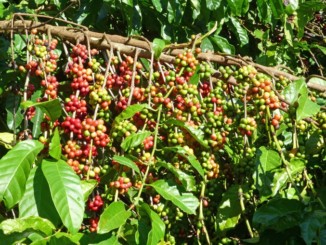
Agriculture
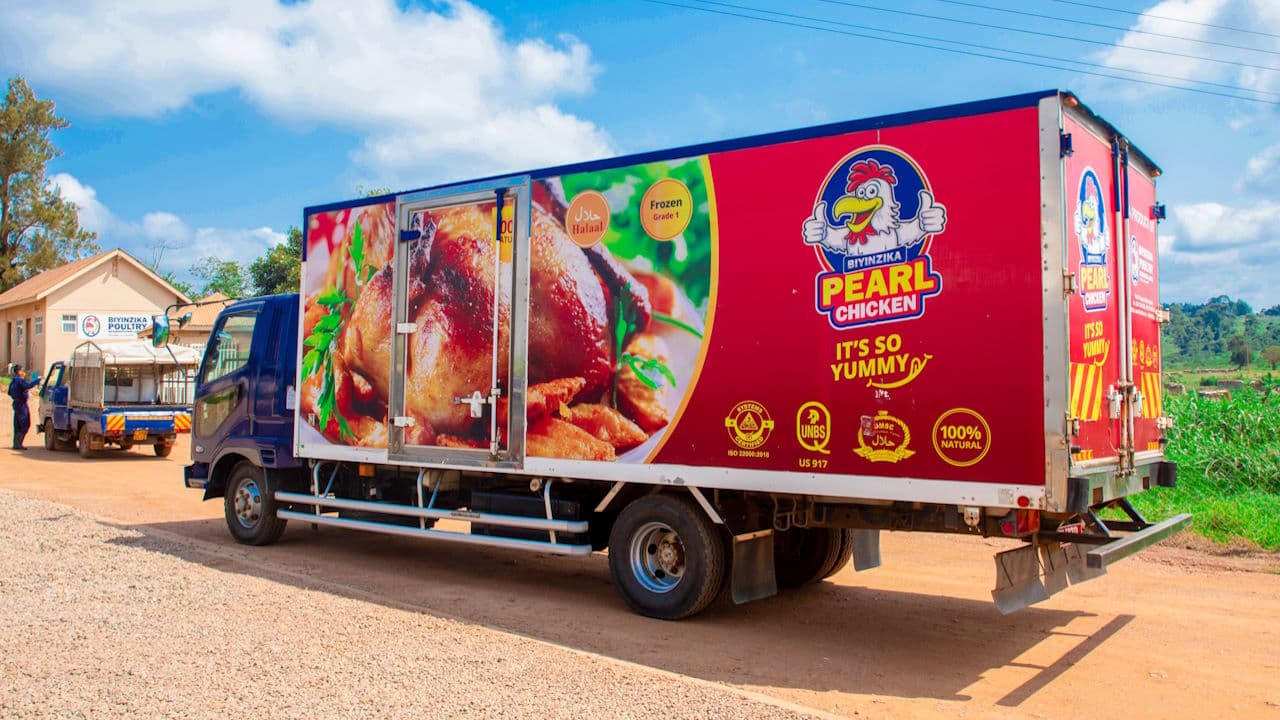
8 Miles sells Biyinzika Poultry to investor consortium as it winds down operations
8 Miles, the UK-based fund, has sold its entire stake in Biyinzika Poultry International Ltd to a consortium that includes an American company and a regional industry executive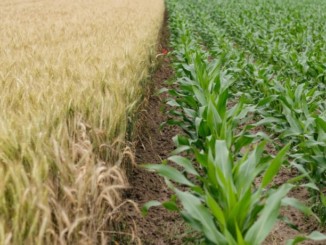
Why maize is causing trade tensions between Kenya and its neighbours
There was confusion in the East African grain market this week after Kenya banned maize imports from Tanzania and Uganda, saying that levels of mycotoxins in maize from the two countries were above safety limits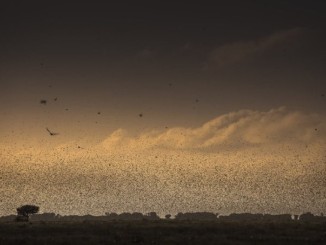
Second wave of locust invasion can be stopped early — here’s how
The current locust invasion in East Africa has caused significant damage in pastoral regions, where the pests have devoured pasture and tree leaves. They are now reaching some of the major maize growing areas where they are likely to cause a lot of damage to the crops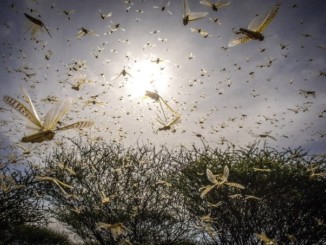
Climate change to lead to more insect and pest invasions
Studies show that insect-pest related yield losses for maize, rice and wheat are expected to increase by between 10% and 25% for each degree Celsius of warming. The impact will be huge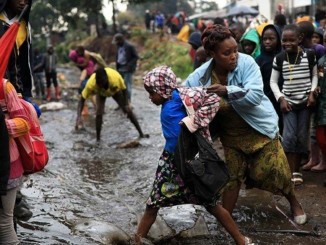
Kenya’s Perfect Storm
Annual rains have hit Kenya especially hard this year, causing havoc in the capital. But there is a silver lining amid the gloom: weather-related infrastructure challenges have pushed bureaucrats to tackle old issues like corruption and mismanagement with a renewed sense of urgency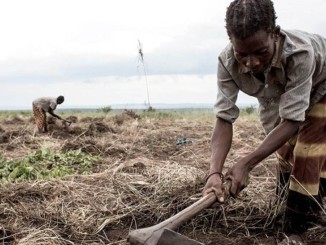
Financial equality for Africa’s women farmers
If Africa’s gender gap is ever to be closed, the unique obstacles faced by African women, particularly poor female farmers, must become part of the global dialogue
Listening to Africa’s Future Farmers
To remain profitable, younger growers must produce larger crops from smaller spaces, which requires innovation. Our study found that in many cases, the best solutions for young farmers are already being designed by young people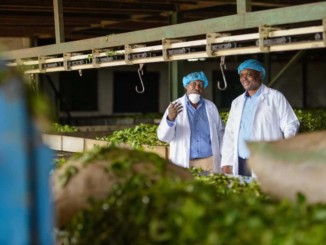
Commercial banks are key players in the agri-business value chain
While it’s true that most commercial banks in Uganda are not ideally structured to finance individual small-holder farmers directly, the reality is that they still play critical roles within the sector, making them an indispensable part of the overall ecosystem
Investment in agriculture is not matching its output performance – World Bank report
Total factor productivity is the efficiency and utilisation of inputs in production, which means that Uganda has been putting in more than it has got outMore Agriculture
Fix agriculture before oil gets out of the ground – World Bank
Speaking at the launch, the country manager for the World Bank Group in Uganda, Christina Malmberg Calvo said that the government needs to consider the suggested reforms and fix agriculture “before the black gold gets out of the ground.”

Agriculture is the ‘green gold’ that could transform the economy and the lives of Ugandan farmers
Agriculture is Uganda’s ‘green gold’ that can transform the economy and the lives of farmers. What specific public-sector policies and actions are required to unleash the entrepreneurial energy of Uganda’s largest private sector actors—its farmers?
Budget 2018: Government pledges to address development challenges
Uganda’s NRM government, in power since 1986, has pledged to address the development challenges the country still faces as it guides the economy into lower middle-income status

Can Uganda collect more taxes? The World Bank thinks so
Uganda collects far less tax revenue than it has the potential to. The World Bank's recently released 11th Economic Update for Uganda looks at areas that are under-taxed or not taxed in which the introduction of new taxes will increase domestic revenue
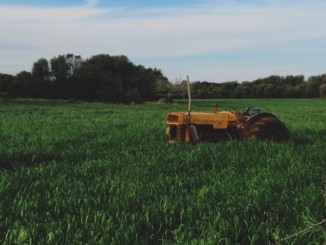
Agriculture ministry needs Shs10bn more to fight crop diseases and pests
The ministry of agriculture, animal industry and fisheries says it requires about Shs12.5bn to effectively sustain the fight against a plague of crop-destroying fall armyworm caterpillars that have ravaged gardens in the countryside
DfID launches competition to stimulate off-grid cold chain technology
The goal of the competition is to stimulate innovation and investment in the sector and help to drive market development, bringing prices down for those who need it most

How big land deals add stress to the River Nile
One of the major scenes of a potential water crisis and conflict is the Nile River, the longest in the world. It flows through 11 countries - known as the Nile Basin countries – and the catchment area covers more than 10% of Africa’s landmass

Taking stock of Uganda’s economy 55 years after independence
Uganda's economy has seen many changes in the past 55 year, affected by periods of political instability, civil war, fluctuating global commodity prices, and various economic reforms. Trends in recent years are positive, but key challenges remain
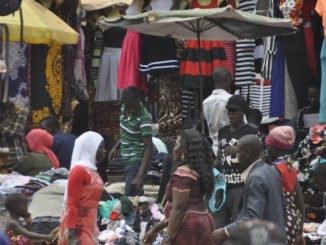
2017/18 Budget: Are we at a policy inflection point?
While many positive gains have been made on several fronts, Uganda needs to address its recent reduced growth rates

Uganda needs a caffeine fix: insights from Vietnam’s coffee market success
Until recently Vietnam and Uganda shared a similar trajectory in the development of their coffee sectors. Today, Vietnam is the second largest coffee producer in the world. Uganda's coffee sector has developed slower and produces low yields.