Coronavirus

Disease control and prevention
Pandemic treaty deadline nears as disputes over pathogen-sharing rules persist
Disputes over pathogen-sharing rules risk delaying the WHO pandemic treaty ahead of a May 2026 deadline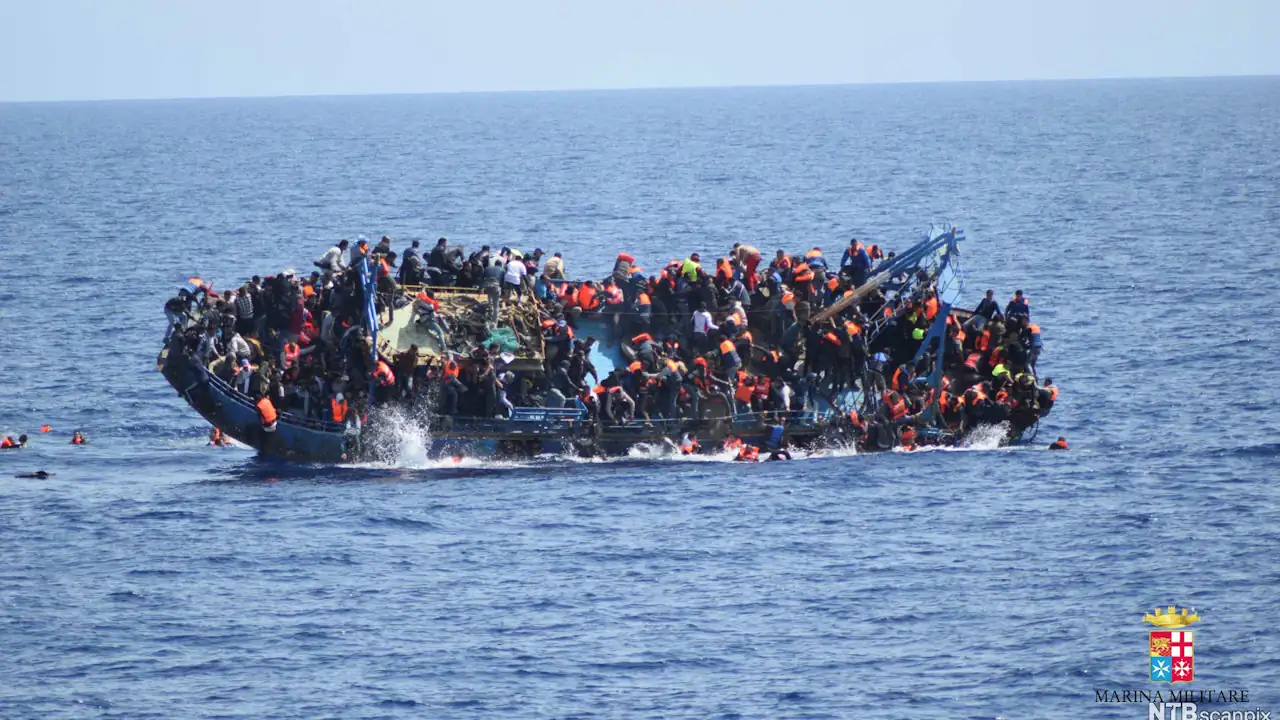
Africa needs a grand revival plan from the West and China
Africa's crises have fuelled a surge in migration to Europe unlikely to abate soon unless rapid population growth is matched by improving economic conditions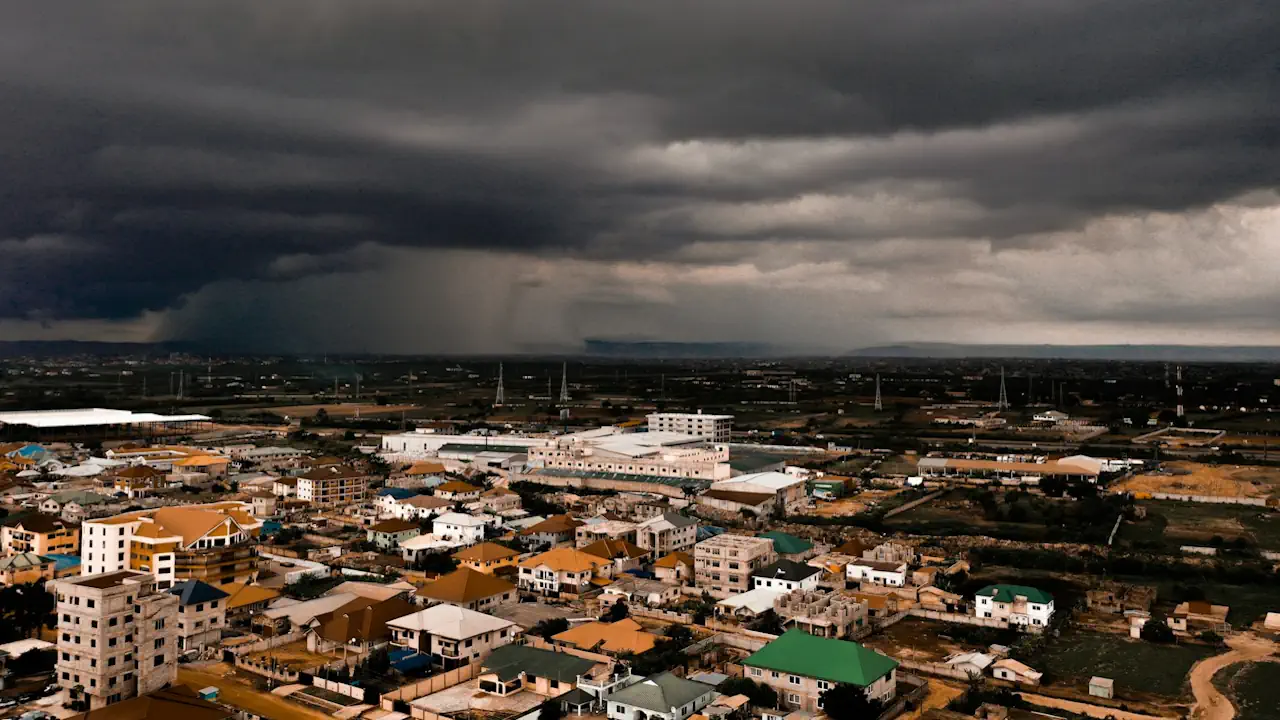
Fixes for Africa’s exploding debt and collapsing currencies
Highly indebted African countries face stark trade-offs between servicing expensive debt, supporting growing development needs, and stabilising domestic currencies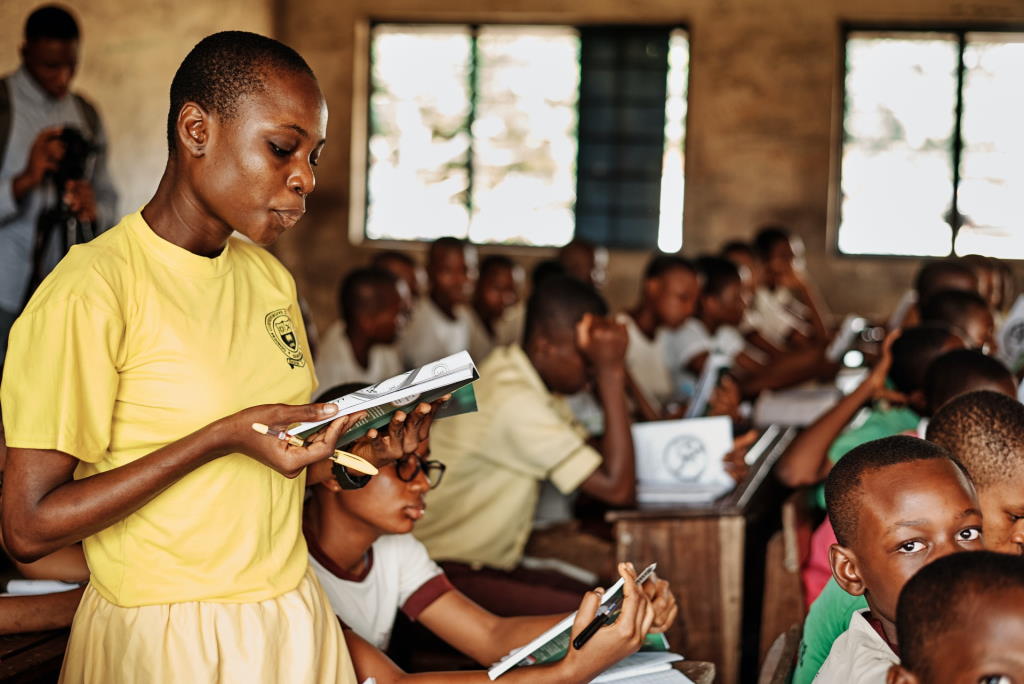
Uganda’s prolonged closure of schools: the impact is deep and uneven
To understand how the prolonged closure of schools affected the lives of adolescents in Uganda we conducted interviews with 36 young people and predominantly from a low socio-economic status
The World Bank and IMF are using flawed logic in their quest to do away with the informal sector
Recent reports by the World Bank and the IMF claim, wrongly, that informal economies undermine efforts to boost tax income and economic growth
Central bank keeps rate unchanged, flags volatile economic and financial conditions
The Bank of Uganda kept its key policy rate unchanged to provide more economic stimulus amidst volatile demand, sluggish private sector borrowing, and the effects of coronavirus restrictions to key sectors
Covid-19 pandemic reminds us that Africa must invest in human capital
It is human capital that will provide the strongest cushion in future crises, especially those that overwhelm social safety nets
Business recovery from Covid-19 and election uncertainty continues apace
Private sector activity gauge rises for the third straight month in April, jumping to its highest level in 15 months
India’s Covid crisis is bad news for the world economy
India’s second coronavirus wave has had a devastating impact, with over 300,000 new cases and 3,000 deaths each dayMore Coronavirus
5 March 2020
IMF, World Bank set aside $60bn for coronavirus response in developing countries
The International Monetary Fund and the World Bank are allocating more than $60 billion in emergency funds for developing countries to combat the coronavirus outbreak
4 March 2020
Private sector activity falls to 5-month low on coronavirus supply disruptions
Uganda's private sector expanded at its slowest pace in five months in February as the coronavirus outbreak affected the supply of goods from China, according to a survey of purchasing managers' activity released on Wednesday
13 February 2020

Central bank keeps benchmark lending rate steady
The Bank of Uganda on Thursday held its benchmark interest rate yet again in an effort to keep inflation down and below target, and to support economic growth