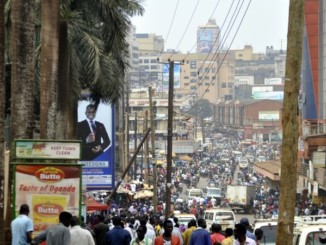
Kampala
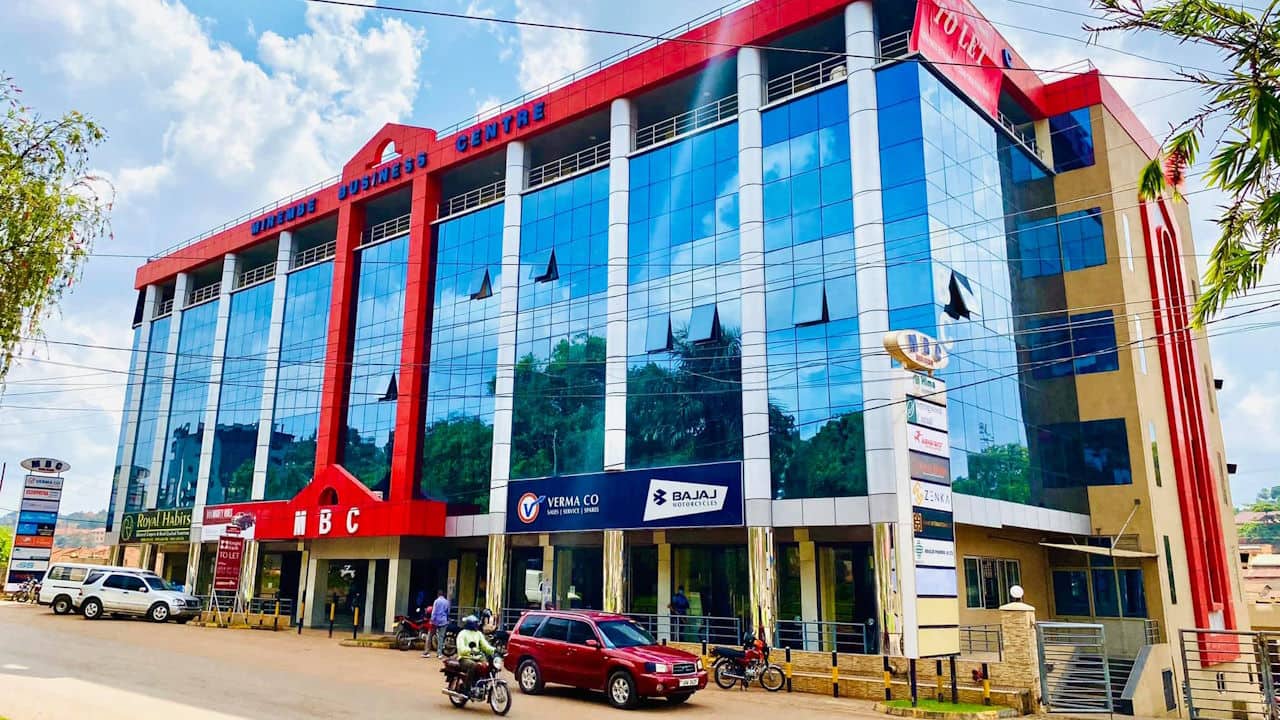
Kampala property market improves on robust economy
Market could have performed even better, but demand for prime housing and large office space from oil and gas sector fell short of expectations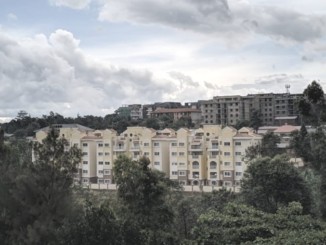
Rents are down in Kampala as supply outruns demand
Property developers in Kampala's prime residential areas, especially those with newer apartments, were forced to lower rents in 2019 to stay competitive as supply overran demand, according to a new report by Knight Frank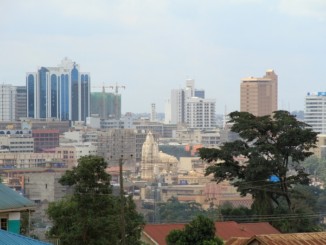
Government and KCCA should step up to steer greater Kampala’s growth
Kampala's growth challenge, according to the World Bank report, is upgrading its economy by improving the productivity of its population, businesses, and industries. It must create the right kind of jobs in sectors which will encourage industrialization and economies of scale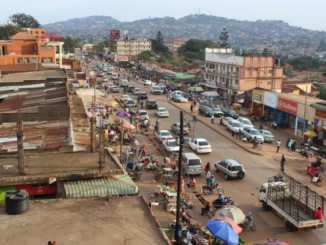
African cities
The real reason why cities in sub-Saharan Africa aren’t issuing municipal bonds
In the US, municipal bonds worth over $111 billion were issued in November and December 2017 for infrastructure, pension obligations and other critical needs. For comparison, cities in sub-Saharan Africa have raised less than 1% of the US amount since 2004
Key models that Kampala needs to consider to manage its urban sprawl
Kampala was originally planned for a population of 150,000 people. It now spans an area that includes the surrounding districts of Mpigi, Mukono, and Wakiso with about 4 million people working in the city itself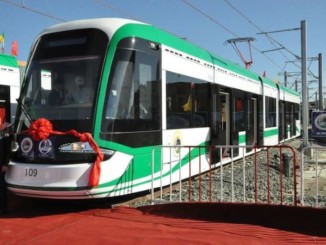
Government plans ambitious $700m light rail network for greater Kampala
The government is nursing ambitions of a light rail rapid transport system for the Greater Kampala Metropolitan to alleviate the city's chronic traffic congestion