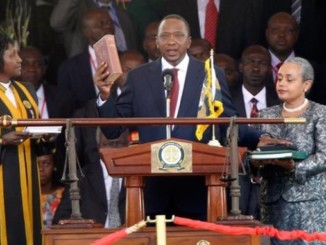
Kenya
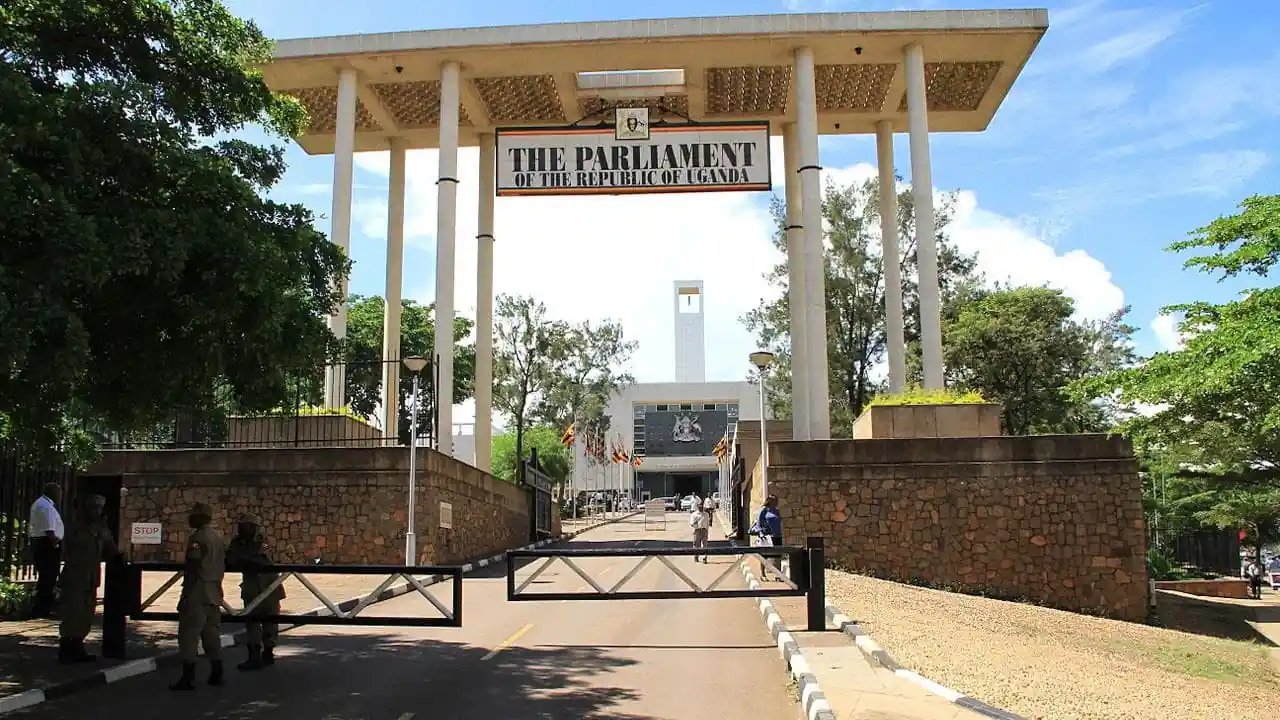
Uganda and Kenya protests highlight corruption at the very top, which happens to be the most difficult to fight
Political corruption destroys the incentives of those in power to curb corruption and persists because it keeps the regime afloat, a function that extends beyond mere personal gain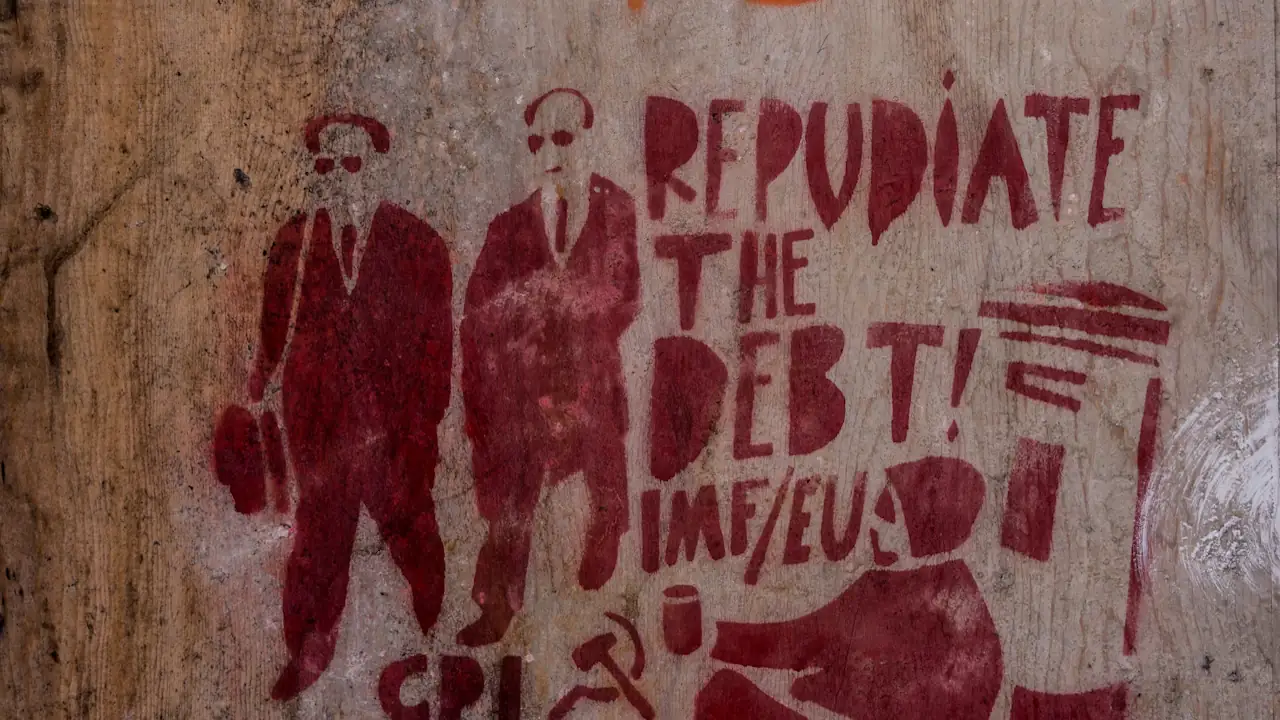
The IMF is failing countries like Kenya: why, and what can be done to stop it
IMF’s declining resources relative to the size of the global economy has meant less funding than members need, forcing austerity and weakening its bargaining position in crises
The roots of the economic turmoil that led Kenyan youth to take to the streets
Corruption, a perennial problem in Kenya, has become a major source of anger; young people, who see corruption everywhere, from the street to offices, feel that it has stolen their future
Africa’s debt crisis demands a bold new approach
Africa cannot rely on the global community to provide adequate funding or debt relief to address its development needs and crises, such as pandemics or extreme weather events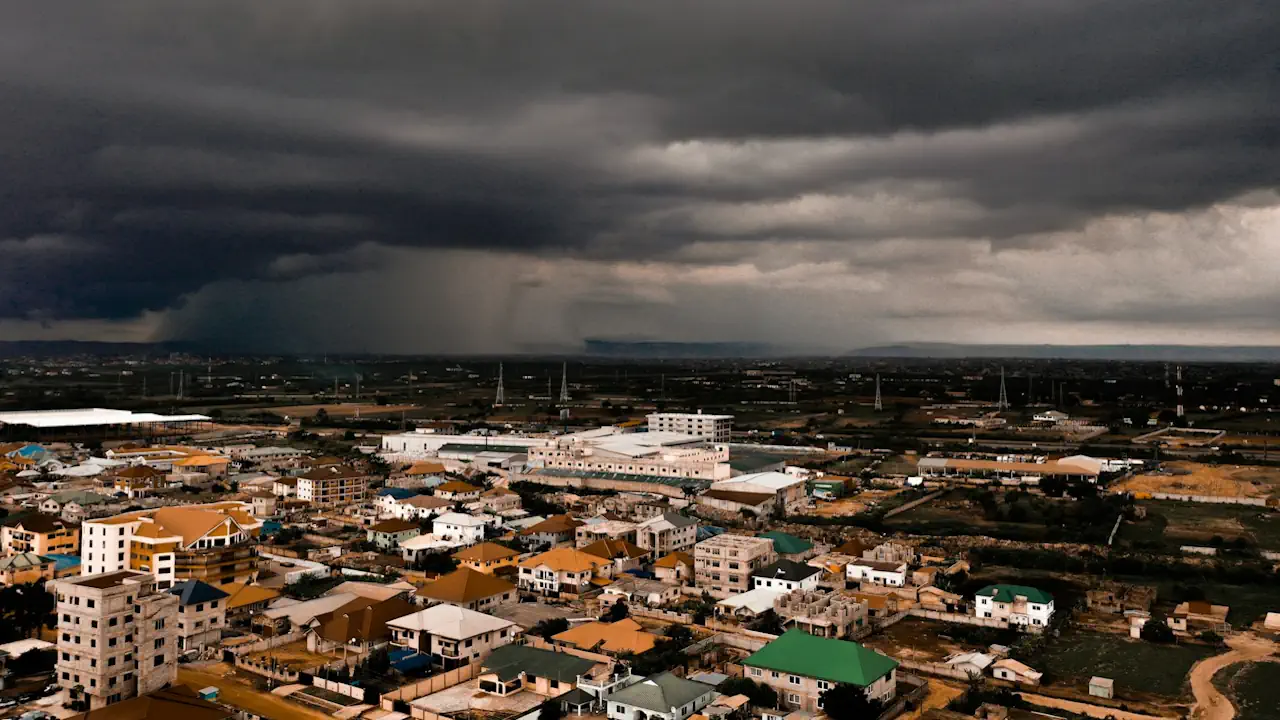
Fixes for Africa’s exploding debt and collapsing currencies
Highly indebted African countries face stark trade-offs between servicing expensive debt, supporting growing development needs, and stabilising domestic currencies
Why East African countries should rethink their nuclear power ambitions
Costs of building, maintaining, and later decommissioning a nuclear power plant make it one of the most expensive forms of electricity generation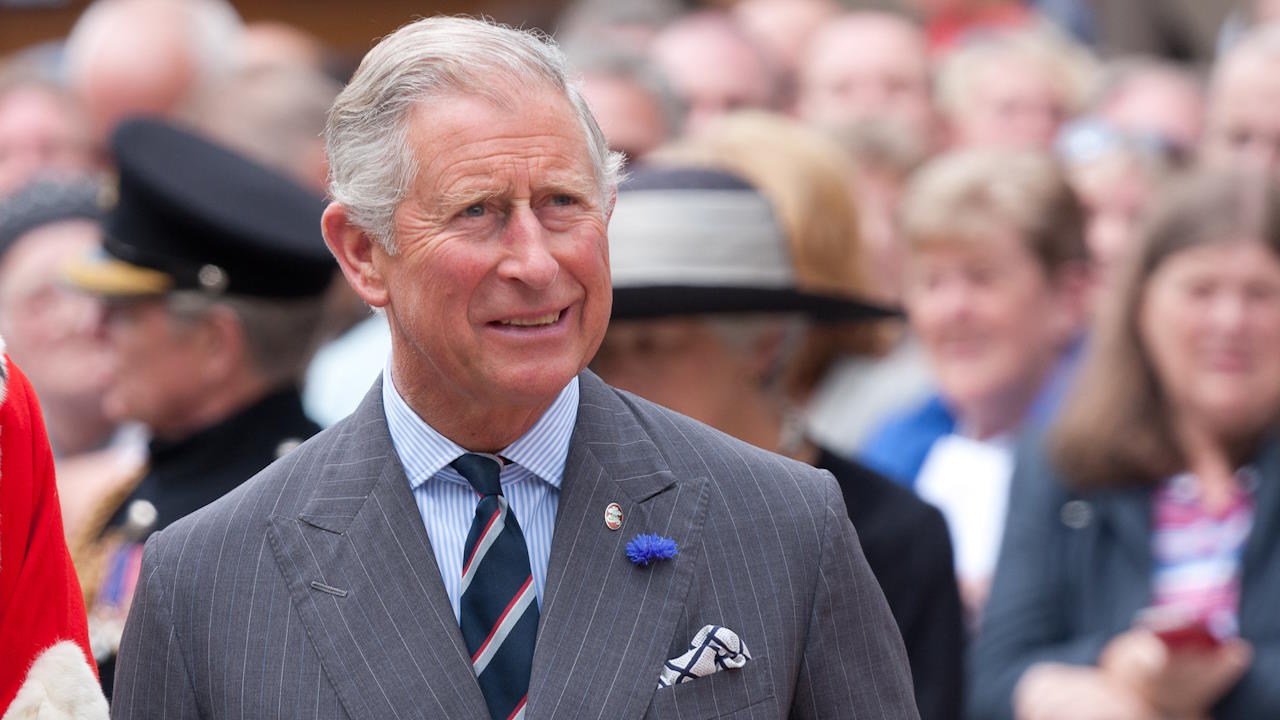
King Charles in Kenya: visit signals strong ties with Britain despite past tensions
King Charles visits Kenya this week, his first visit to a Commonwealth country since his coronation in September 2022
Kenya’s election should ring alarm bells on digital influence campaigns
Online influencers played a significant role in shaping the outcome of Kenya’s 2022 election, partly by amplifying misleading narratives. African countries preparing for elections should be on guard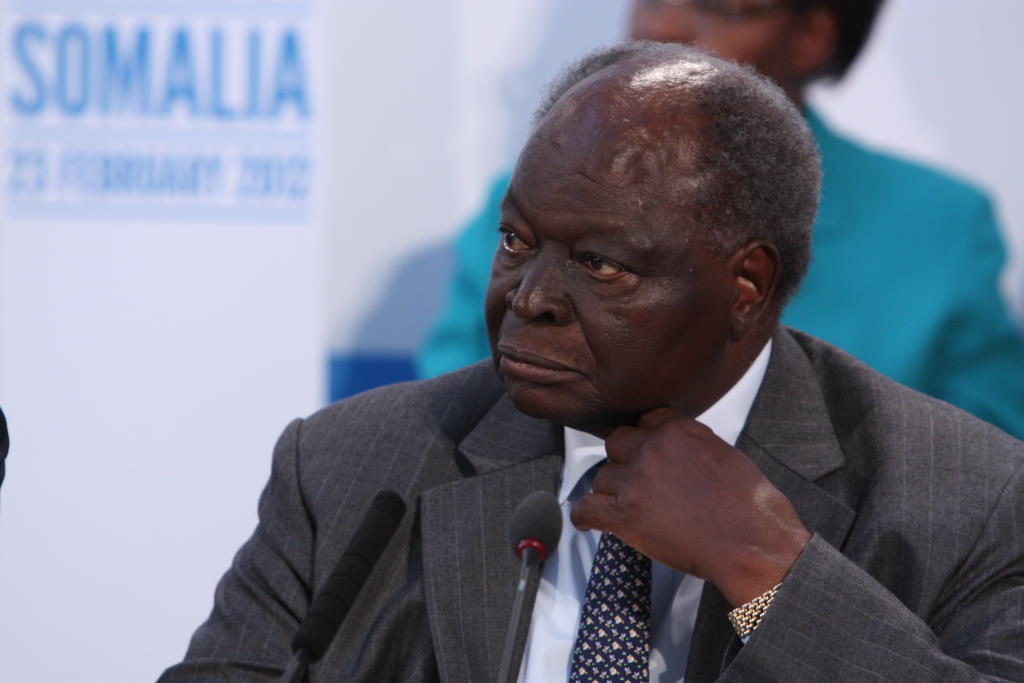
Mwai Kibaki wasted opportunity to fix Kenya
Kenya's third president initially enjoyed broad goodwill among his own population until he failed to confront the gross excesses he had promised he would reformMore Kenya
Daniel arap Moi: the making of Kenya’s ‘big man’
Moi is widely held responsible for a regime that bore witness to, and benefited from, violence, corruption and discrimination. Kenya’s Truth, Justice and Reconciliation Commission found that his government was responsible for numerous gross human rights violations
Drug trafficking: US to pursue prominent Kenyan suspects linked to Akasha brothers
US-Kenya efforts to arrest prominent figures linked to the Akasha organisation could curb heroin trade in East Africa

Kenya’s Perfect Storm
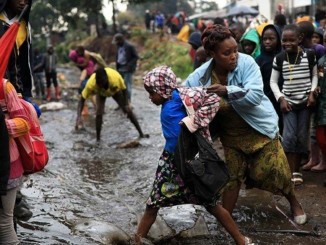
Annual rains have hit Kenya especially hard this year, causing havoc in the capital. But there is a silver lining amid the gloom: weather-related infrastructure challenges have pushed bureaucrats to tackle old issues like corruption and mismanagement with a renewed sense of urgency
Nairobi’s plan to introduce car-free days is a good idea – here’s why
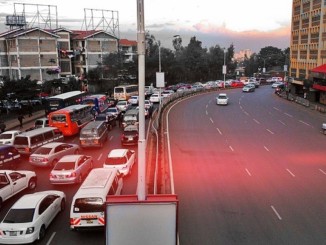
Kenya’s capital, Nairobi, is the second most congested city in the world. To reduce congestion, Nairobi County has proposed car-free Wednesdays and Saturdays in two of the busiest parts of the city
Why Cuban doctors in Kenya don’t deserve the treatment they’re getting
Fifty Cuban doctors recently arrived in Kenya, hired by the government to work in in under-served rural areas. They may not be the ideal solution, but the reasons forwarded against them are not justified

Why elections don’t always equal democracy: the case of Kenya
The turn of events in favour of President Kenyatta is not surprising. It suggests that the process of free elections was never intended to help the country democratise. This mirrors events in other seemingly transitioning countries such as Zimbabwe or Senegal