Urban planning

Building climate-resilient African cities — experts outline what is needed
Window of opportunity to secure liveable, equitable, and sustainable futures in the face of climate change is closing fast, more so for Africa
Nairobi’s plan to introduce car-free days is a good idea – here’s why
Kenya’s capital, Nairobi, is the second most congested city in the world. To reduce congestion, Nairobi County has proposed car-free Wednesdays and Saturdays in two of the busiest parts of the city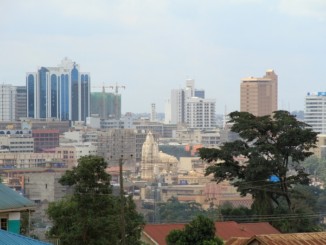
Government and KCCA should step up to steer greater Kampala’s growth
Kampala's growth challenge, according to the World Bank report, is upgrading its economy by improving the productivity of its population, businesses, and industries. It must create the right kind of jobs in sectors which will encourage industrialization and economies of scale