Subscribe | Sign In | Subscribe

Zambia

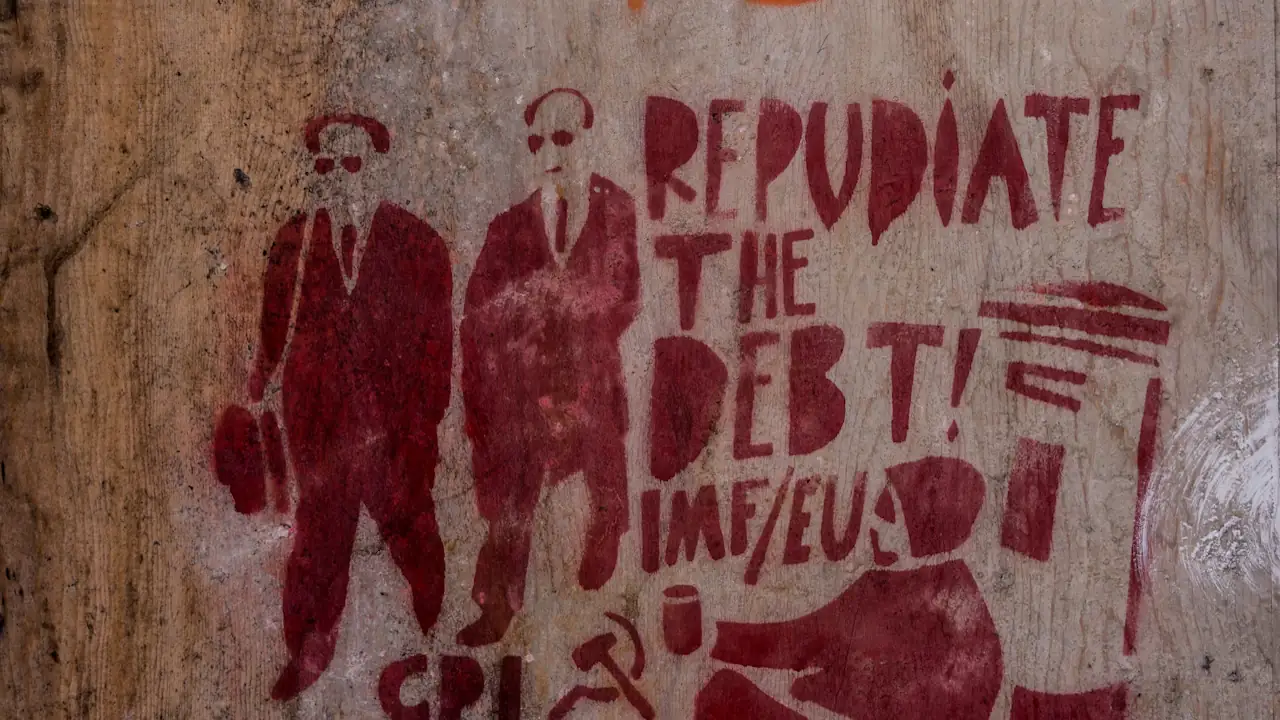
Street art in Dublin against IMF/EU debt, June 2013. The recent Kenyan anti-tax protests are a warning that the International Monetary Fund (IMF) is failing. The public does not think it is helping its member countries manage their economic and financial problems, which are being exacerbated by a rapidly changing global political economy. The IMF has provided financial assistance to Kenya; however, the funding comes with strict conditions that suggest debt obligations are more important than the needs of long-suffering citizens. This is despite the IMF's claim that its mandate now includes helping states deal with issues such as climate, digitalisation, gender, governance, and inequality. Unfortunately, Kenya is not an isolated case. Twenty-one African countries are receiving IMF support. In Africa, debt service, on average, exceeds the combined amounts governments are spending on health, education, climate and social services. The tough conditions attached to IMF financing have led the citizens of Kenya and other African countries to conclude that a too powerful IMF is the cause of their problems. However, research into the law, politics and history of the international financial institutions suggests the opposite: the real problem is the IMF’s decline in authority and efficacy.

The IMF is failing countries like Kenya: why, and what can be done to stop it

IMF’s declining resources relative to the size of the global economy has meant less funding than members need, forcing austerity and weakening its bargaining position in crises
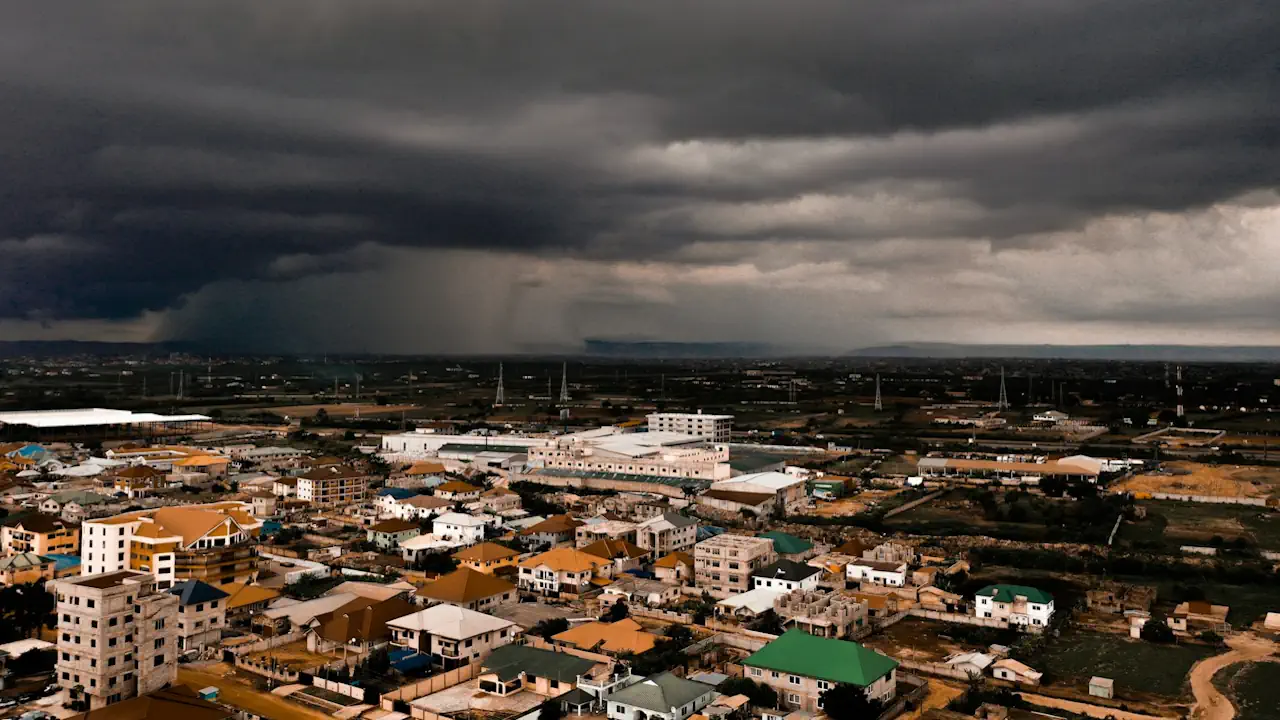
Storm clouds gathering over Accra, Ghana. Nineteen African countries, including Ghana and Zambia, are already in debt distress (meaning they are unable to meet financial obligations) or at high risk of debt distress. Ghana’s public debt has more than doubled since 2012 and amounts to 85 per cent of GDP. Zambia’s went up much higher and stood at 98 per cent as of 2022. Both Ghana and Zambia, along with Ethiopia, have defaulted on their foreign debt, sparking fears about a broader sovereign debt crisis on the continent if more countries fall into debt distress.

Fixes for Africa’s exploding debt and collapsing currencies

Highly indebted African countries face stark trade-offs between servicing expensive debt, supporting growing development needs, and stabilising domestic currencies

More Zambia