

Investigators are examining whether the first Ebola patients in Kenya and Nigeria had contact at Entebbe International Airport, as Switzerland disputes Uganda’s account of the Nigerian patient’s journey.
Both passed through Entebbe on 3 October. The Africa Centres for Disease Control and Prevention (Africa CDC) says a possible interaction is under investigation, but no link has been established.
Why it matters: Uganda says it has no confirmed active Ebola cases. The World Health Organisation (WHO) says the source of the woman’s infection remains unknown, while investigators reconstruct her movements.
The disputed account: Switzerland said on Friday that the woman, the Ugandan-born wife of a Swiss diplomat in Abuja, had not visited the Democratic Republic of Congo. Its foreign ministry told Reuters it believed she became infected while travelling in Uganda with her husband.
Ugandan officials had said she visited eastern Congo before passing through Uganda. Government spokesperson Alan Kasujja told Reuters on Thursday that Uganda had no Ebola cases and would disclose any it detected.
WHO and Africa CDC said on Thursday they had received no verified information confirming a Congo visit.
What investigators know: The Kenyan patient travelled from Congo through Uganda before flying to Nairobi, where he died. The woman later diagnosed in Nigeria had spent about two and a half weeks in Uganda before returning to Abuja through Addis Ababa.
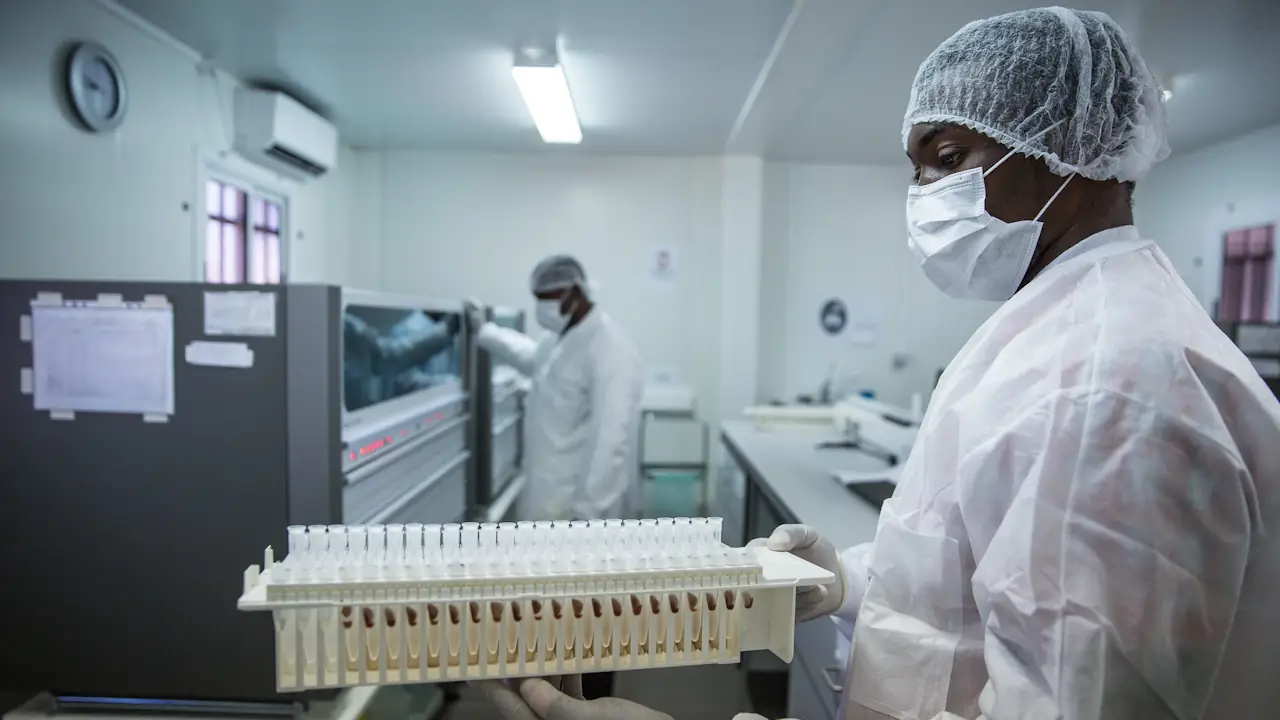
Investigators have yet to establish whether they met, used the same equipment or were exposed to a common source. Nigeria is carrying out genomic sequencing to help examine possible links between infections.
The detection gap: The woman developed symptoms days after arriving in Nigeria and sought care before Ebola was diagnosed. Africa CDC director-general Jean Kaseya told Reuters that the delay, during which she visited several health facilities, would complicate contact tracing.
Uganda is strengthening screening and investigating travellers’ histories, according to the East African. But temperature checks have limits: the European Centre for Disease Prevention and Control says people who show no symptoms at departure can develop the disease afterwards.
The wider picture: WHO and Africa CDC recognised the end of Uganda’s outbreak on 27 August, after 20 confirmed cases and two deaths. Kenya had recorded nine cases, including one death, by 22 October, all linked to its first patient.
WHO continues to advise against restrictions on travel or trade with affected countries.
What to watch: Nigeria is monitoring contacts for further infections, while sequencing may help establish links between cases. At Thursday’s briefing, Africa CDC said Nigeria had identified further contacts beyond the original 44, without supplying an updated total.