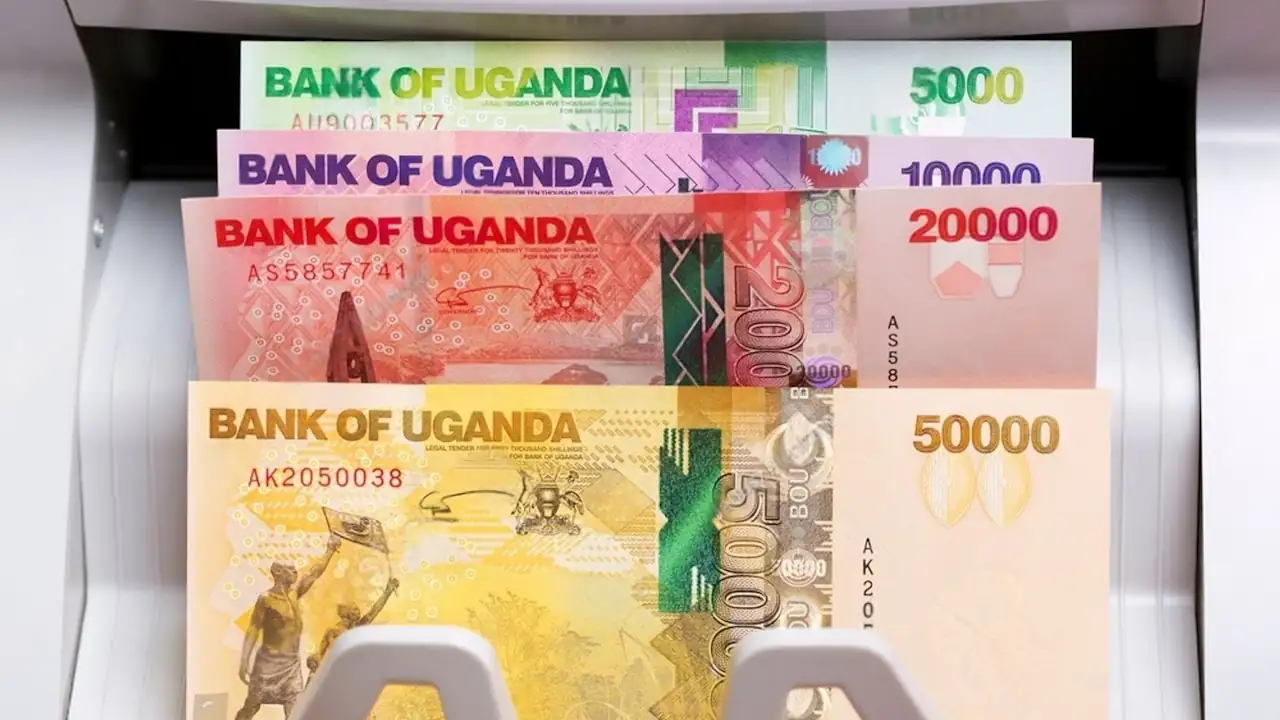

The shilling gave back all of Wednesday’s rally by Friday’s close, returning the dollar to slightly above its level before the Bank of Uganda raised interest rates.
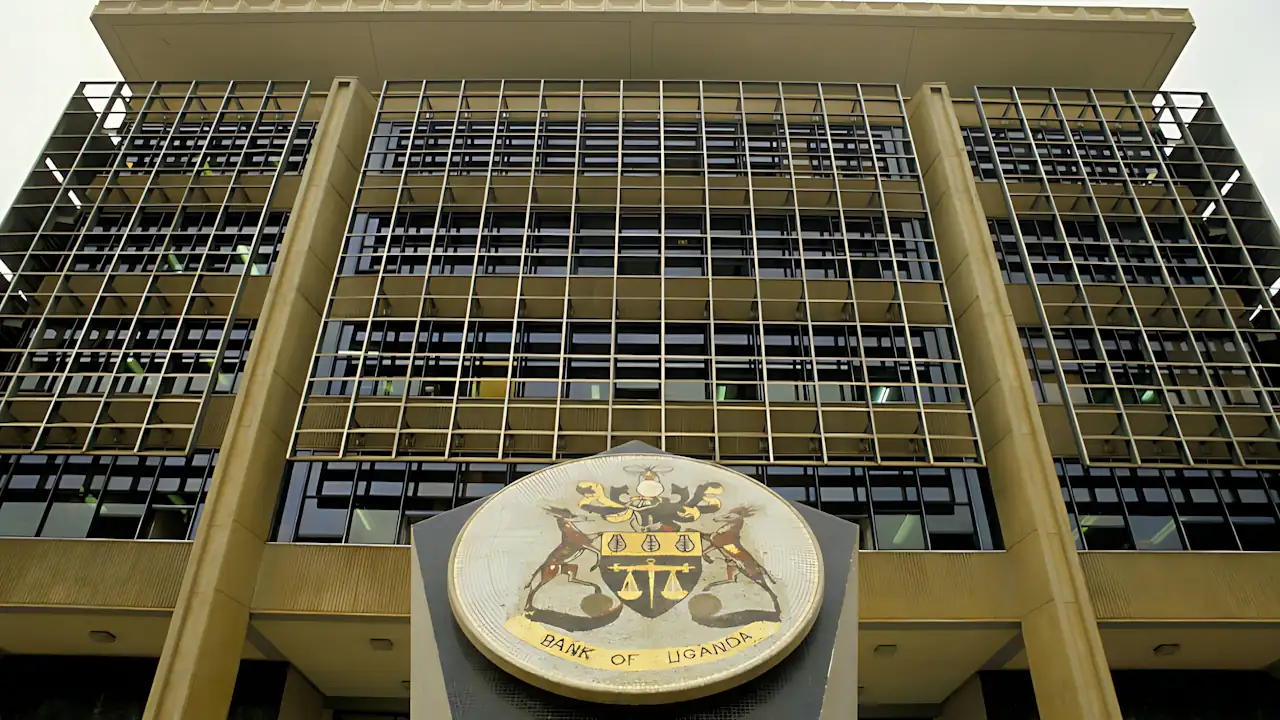
Driving the news: The central bank raised its benchmark rate to 12 per cent from 9.75 per cent at a special meeting on Wednesday, 14 October. The shilling strengthened that day, but the recovery did not last through the week.
By the numbers: Bank of Uganda mid-rates show the rise and reversal, measured in shillings per dollar:
- Wednesday’s opening rate was Shs4,130.24.
- By Wednesday’s close, the dollar had fallen to Shs3,951.05.
- Friday’s closing rate was Shs4,138.10, slightly above Wednesday’s opening level.
The dollar fell 4.3 per cent during Wednesday’s session, then rose 4.7 per cent between Wednesday’s and Friday’s closes.
Why it matters: For importers and others buying dollars to settle bills, the exchange-rate relief was short-lived. The central bank’s mid-rate is a reference rate; customers’ buying and selling rates can differ.
What traders expect: Traders told Reuters on Thursday that weaker export receipts and high energy prices would put renewed pressure on the shilling. One expected further depreciation, though possibly at a slower pace after the rate increase.
The intervention question: Bloomberg reported on Thursday that dealers said the central bank had intervened in the currency market. Stephen Kaboyo of Alpha Capital Partners said it may have offered as much as $30mn. The bank had not responded to Bloomberg’s request for comment when the report was published.
That account leaves the extent of any direct support unconfirmed. The rate movements show that Wednesday’s gains had disappeared by Friday; they do not establish how much of the initial rally came from the rate increase or any dollar sales.