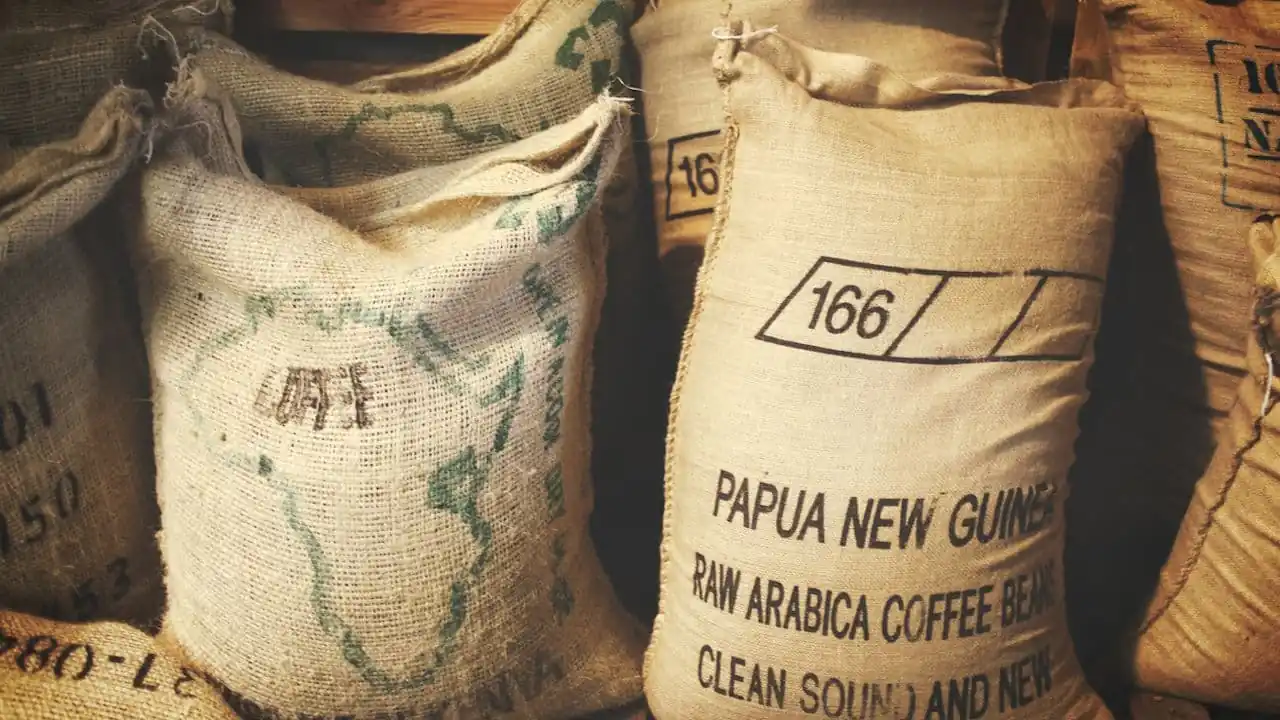

Uganda’s coffee exports fell 13.6 per cent by volume in August from a year earlier, while earnings declined by a smaller 10.3 per cent as a higher average price cushioned the drop.
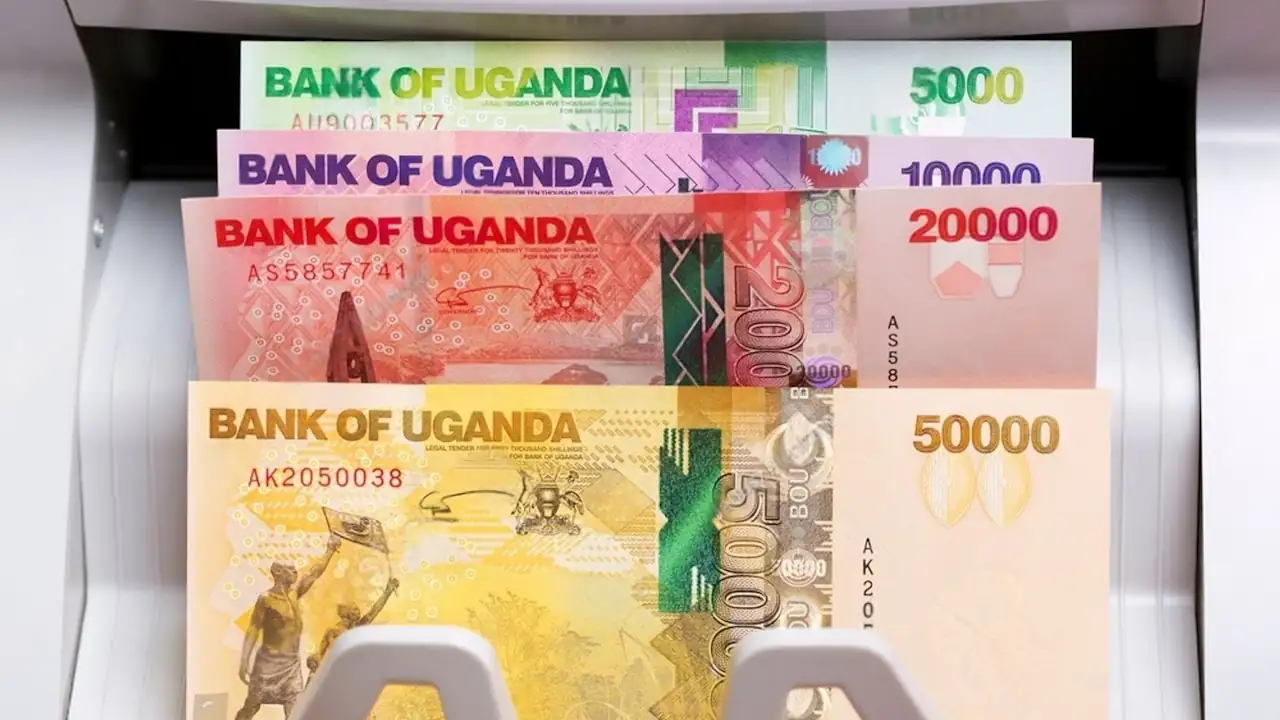
The country shipped 737,766 60-kilogram bags worth $181.7mn (Shs677.6bn), according to the Ministry of Agriculture, Animal Industry and Fisheries. A year earlier it exported 853,543 bags worth $202.6mn.
The average export price rose to $4.1 per kilogram from $4 in July, 3.7 per cent above the price in August 2025, which accounts for the gap between the fall in volume and the fall in value.
The ministry had projected exports of about 850,000 bags for August in its July report, and shipments fell 13.2 per cent short of that figure.
The report gives no reason for the lower volumes, although its section on farmer training refers to “increasingly dry conditions”. Frank Tumwebaze, the agriculture minister, said in a statement on 20 September that a prolonged drought and unusually high temperatures in parts of Greater Masaka, Kyotera, Sembabule and Luwero had affected flowering, cherry development and bean filling. He estimated that the weather had contributed to an out-turn about 10 per cent below the normal average in affected areas.
The International Coffee Organization (ICO) said in its August market report, however, that the recent decline in Uganda’s exports “may be better interpreted as a normalization from an exceptionally high benchmark rather than as evidence of a broader downturn”. It added that Uganda shipped a record 8.26mn bags in the 2024/25 coffee year, against an average of 6.22mn over the previous four years, helped by higher production and the release of stocks when international prices were elevated.
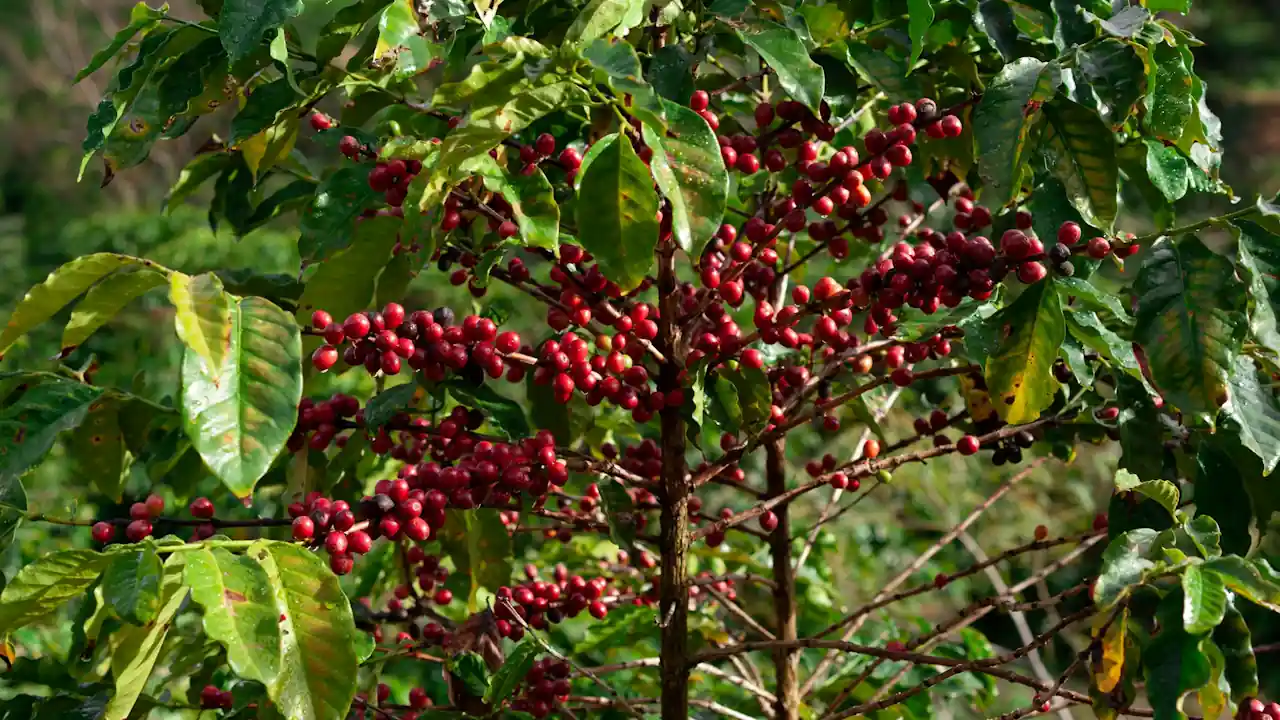
Robusta, which made up 92.3 per cent of volume, fell 14.2 per cent to 680,945 bags, with earnings down 10.4 per cent to $161.1mn. Arabica shipments fell 5.2 per cent to 56,821 bags, while earnings dropped 9.4 per cent to $20.6mn.
The ministry report shows the average robusta price up 4.4 per cent on a year earlier at $3.9 per kilogram, and the arabica price down 4.4 per cent at $6. Mt Elgon A and Mt Elgon AB fetched the highest price, at $7.9 per kilogram.
Over the 12 months to August, Uganda exported 8.1mn bags worth $2.1bn. Volume rose 1.6 per cent and value fell 5.2 per cent against the previous 12 months, compared with a 3.4 per cent rise in volume and a 4.8 per cent fall in value in the 12 months to July. The ministry said the gain in volume reflected higher production, while prices came under pressure from increased supply from Brazil and Vietnam.
Italy remained the largest destination, but its share fell to 25.2 per cent from 29.3 per cent in July. Sudan took 15.2 per cent, Germany 9.9 per cent and India 5.7 per cent, up from 4.1 per cent in July. Europe received 63 per cent of shipments and African countries 23 per cent, or 166,817 bags.
At the farm gate, robusta kiboko averaged Shs5,750 per kilogram, up from Shs5,500 in July. Robusta FAQ (fair average quality) rose to Shs12,000 from Shs11,500, and arabica parchment averaged Shs15,500.
The ministry projects exports of about 700,000 bags in September and says the main harvest in Greater Masaka and the south-west has ended. That would be about 17 per cent below the 839,801 bags shipped in September 2025.
The ICO’s composite indicator averaged 287.29 US cents per lb in August (about $6.3 per kilogram), effectively unchanged from 287.26 cents in July, as a mid-month rally on El Niño concerns and tight arabica supplies gave way to falls on favourable rainfall in Brazil and expectations of larger supplies.
The ICO estimates world production in the 2025/26 coffee year at 183.6mn bags, up 4.4 per cent, and projects a surplus of 3mn bags after four years of deficit. It cites forecasts from Marex of a global surplus of 10.5mn bags in 2026/27 and from Rabobank of 8.9mn bags. The US Department of Agriculture forecasts record world production of 189.7mn bags in 2026/27, the ministry said.
($1 = Shs3,730.3, Bank of Uganda August period average)