
Blencowe Resources, the London-listed company developing Uganda’s Orom-Cross graphite project, is pursuing military battery applications for graphite from its Ugandan project with a US technical partner that has received a $1.8mn award from the Defence Logistics Agency.
The US government’s small-business research database records the 2024 award to American Energy Technologies Company, or AETC, for developing a process to produce graphite for battery anodes. Its project description envisages working with two natural-graphite suppliers and battery manufacturers in the US defence supply chain.
The record does not name those graphite suppliers or identify Blencowe as a participant. It describes materials for lithium-ion batteries, whereas the military prototype disclosed by Blencowe uses lead-acid technology. The award establishes AETC’s work for the agency; it does not establish US government funding for the Ugandan company’s prototype.
London-listed Blencowe said on August 27 that it was working with AETC and Florida-based Apollo Energy Systems on a laboratory prototype intended to meet the agency’s 4HN military battery specifications. The graphite would come from its Orom-Cross project in Uganda.
In a September 21 update, Blencowe said the prototype was still being progressed. Successful completion would precede a proposed US pilot production line capable of making 100 lead-acid cells a month. That figure describes planned pilot capacity, rather than a military purchase commitment.
For the Ugandan project, the commercial opportunity is to find a more valuable use for material left over when graphite is shaped into spherical particles. Blencowe plans to produce uncoated spherical purified graphite in Uganda. It says material rejected during that shaping process could provide an additional higher-value outlet for about 30 per cent of the planned processing facility’s end product.
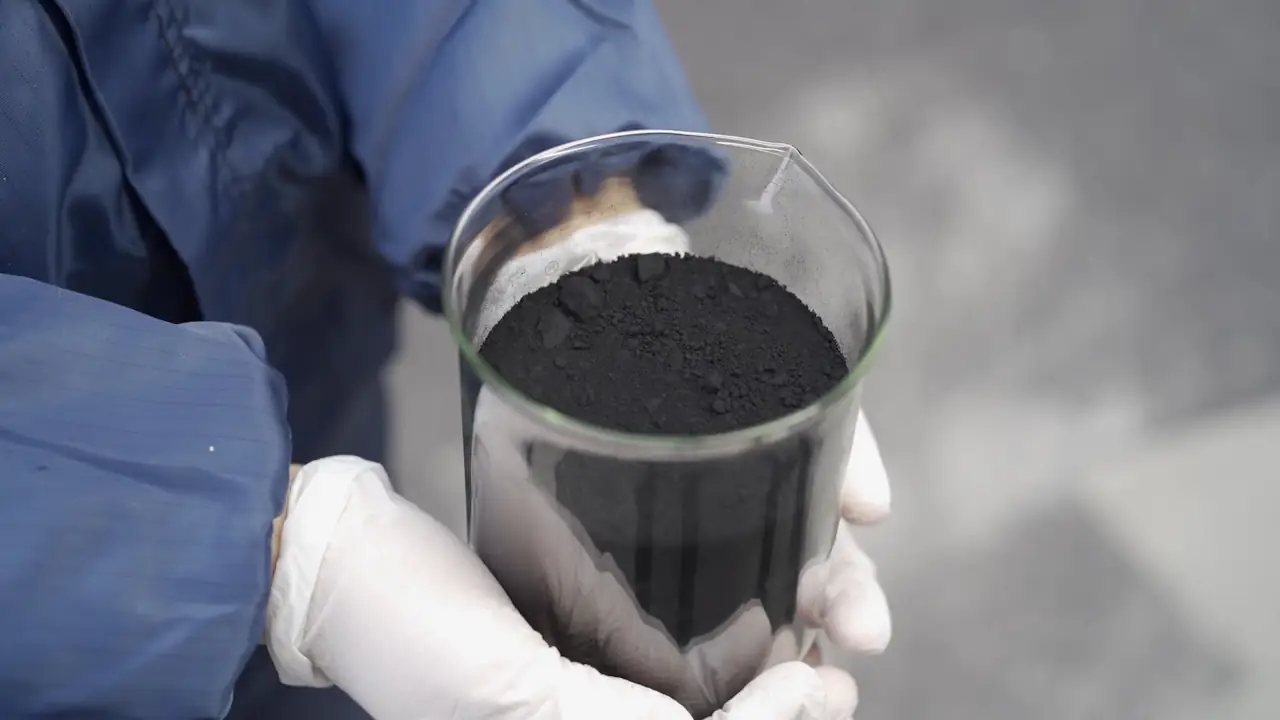
AETC would turn those fines into a graphite additive for the negative electrode material in Apollo’s lead-acid batteries. The company’s August disclosure reported improved performance in several laboratory comparisons, including a lower voltage drop during a high-current discharge test. Performance was similar to a control in another test. These are company-reported results; the announcement describes a prototype being developed to meet military specifications.
Blencowe’s relationship with Apollo predates that announcement. In March 2025, the companies disclosed a non-binding memorandum covering an initial 250 tonnes a year of purified small-flake graphite. Pricing was to be agreed within 24 months, with further product qualification and due diligence preceding a formal agreement.
That arrangement envisaged purification by AETC in Chicago. It therefore described processing in the US as well as a prospective market for Ugandan graphite. The memorandum did not establish a military order, or connect the proposed purchases to the DLA award.
Blencowe also needs to finance construction at Orom-Cross. Its September update put initial development capital at $45mn and listed securing finance and converting non-binding offtake arrangements into definitive agreements among its priorities.
“Successful technical results strengthen customer engagement, but do not themselves constitute binding orders,” the company said.