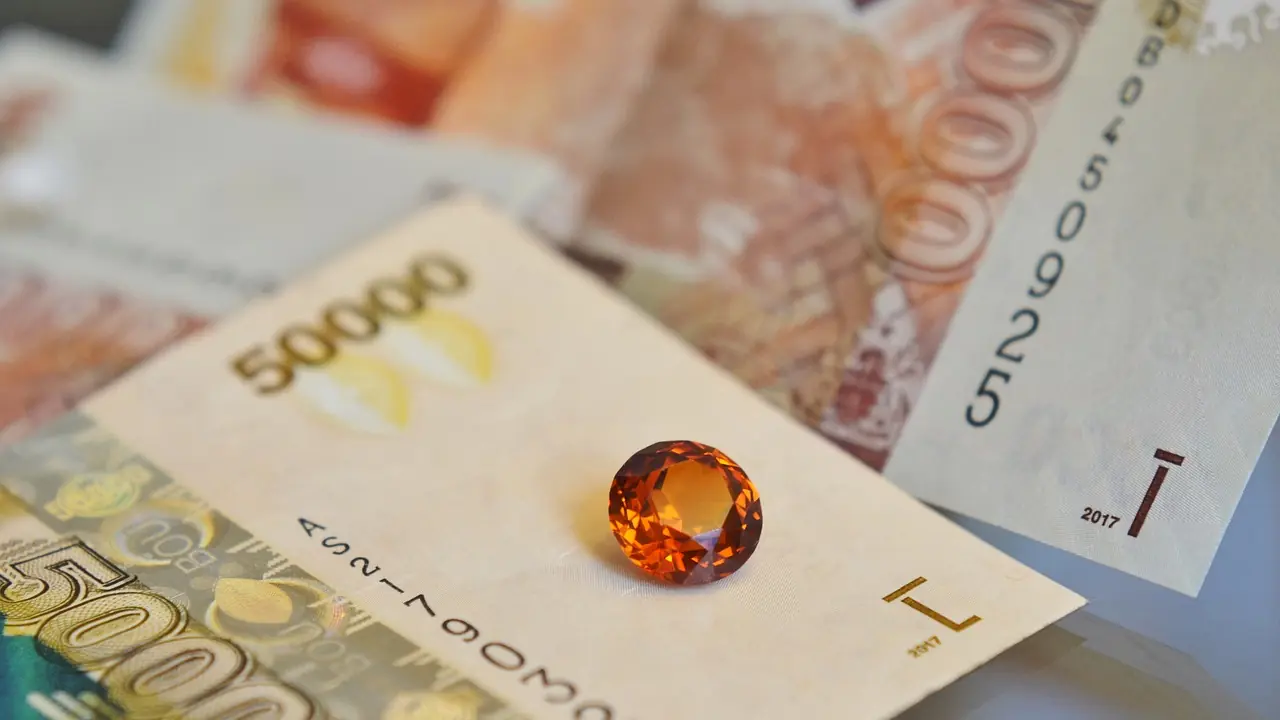

The Ugandan shilling has lost more than a tenth of its value against the dollar since the start of the year, and traders told Reuters they expect it to fall further on strong demand for dollars from importers, energy companies and telecoms firms.
The Bank of Uganda’s closing mid-rate on Thursday was Shs4,085.71 to the dollar, 4.1 per cent more than a week earlier. The shilling first closed above Shs4,000 on Tuesday; traders now expect further record lows in the coming week.
Stephen Kaboyo, managing director of Alpha Capital Partners, the financial services firm, said businesses were sourcing and stockpiling dollars ahead of the fourth-quarter holiday peak, and that high energy prices added to the pressure.
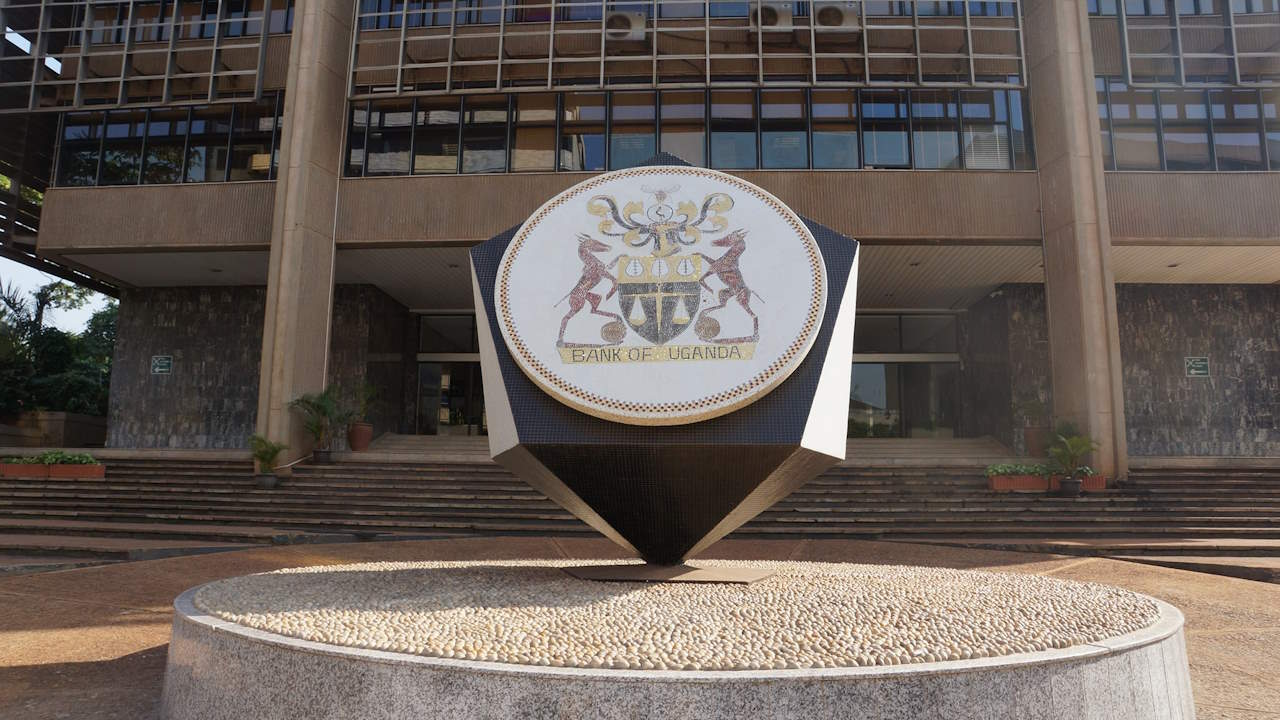
The central bank has said it will not intervene directly to defend a particular level, though it has tools to manage excessive volatility. Its response so far has been to raise the cash reserve requirement for commercial banks to 13.5 per cent from 24 September. It has announced no dollar sales, with reserves at $6.52bn in August.
Karim Masaba, an independent MP, asked Parliament on Tuesday why the reserves were not being used to steady the currency, and called on the finance minister to explain.
Energy minister Monica Musenero told Parliament on Wednesday that higher pump prices were “multifactorial”. She cited the weaker shilling, a Shs200 rise in fuel excise duty in the 2026/27 budget and global supply pressures. MPs also relayed traders’ concern that the Uganda Revenue Authority will value imports at the current rate although the goods were bought at a lower one.
Remigio Achia, an NRM MP, in the same debate, said the shilling’s fall from about Shs3,600 to Shs4,000 had added Shs7.6tn to domestic debt without new borrowing.
The government’s domestic debt is borrowed in shillings, so the exchange rate does not change it. External debt does move with the currency.
The finance ministry’s debt bulletin, with [the latest] figures to the end of June, puts external debt at $16.3bn. By our calculation, that is worth about Shs6.9tn more in shillings at Thursday’s rate than it was at the end of June, if all of it moved with the dollar.
Just over half of that debt is in other currencies, chiefly the euro, so the true figure depends on how those have moved against the dollar. Achia’s figure is of the right size, but for external debt.
Foreign-currency debt was 43.9 per cent of the total at the end of June, down from 48.1 per cent a year earlier as government borrowed more in shillings. The revaluation is a paper change and not a payment, although servicing the debt takes more shillings each time the currency weakens.
Parliament adjourned the debate until the government makes a statement on the economy, including the exchange rate and its effect on fuel prices.