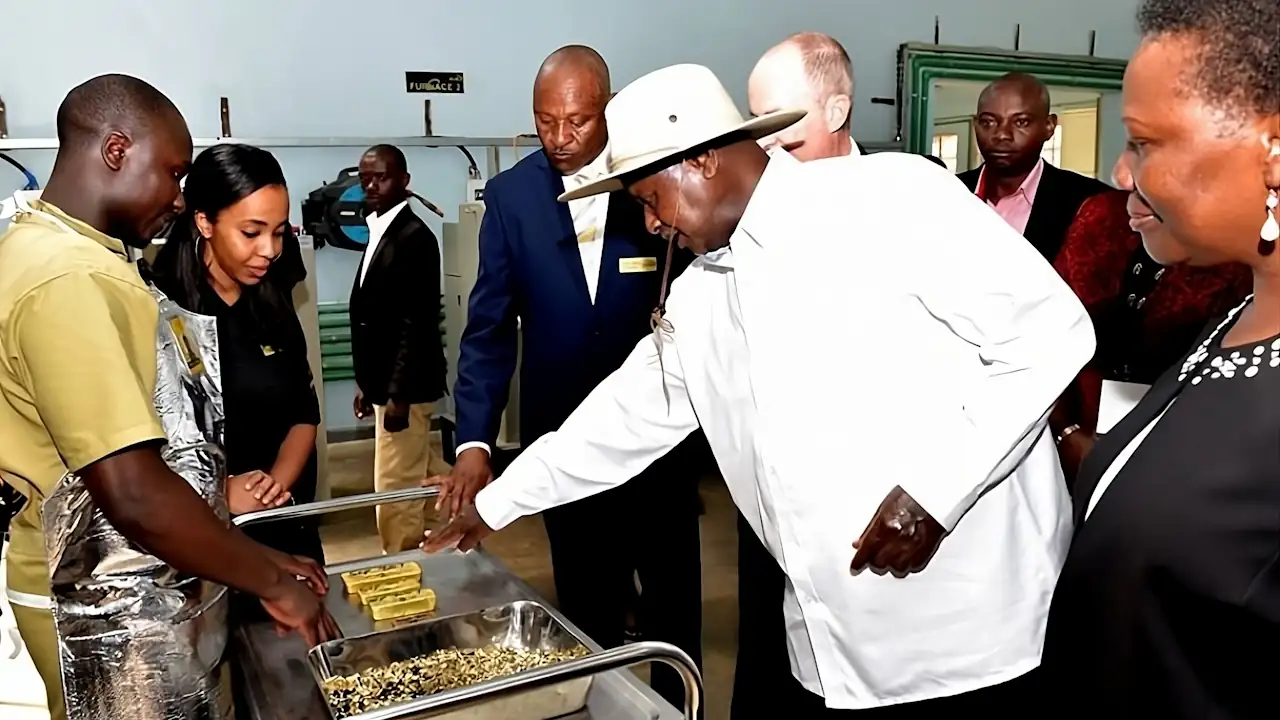

Thaba Investments, an Entebbe-based company, was responsible for nearly half of Uganda’s gold exports in the 12 months to June and shares suppliers and a shipper with a refinery that the US sanctioned in 2022, according to a Bloomberg investigation published on Friday. Thaba and its majority shareholder deny any link to the sanctioned network.
Bloomberg said it found no public document showing that Alain Goetz, the Belgian gold trader who founded the African Gold Refinery (AGR), controls Thaba or directs its trades. “There has never been any relationship, past or present, between myself and Thaba Investments,” Goetz told the news organisation in a written reply. Musthaque Murikkoli, who owns 80 per cent of Thaba, said: “I firmly deny that I am, or have ever been, acting as a proxy for Goetz.”
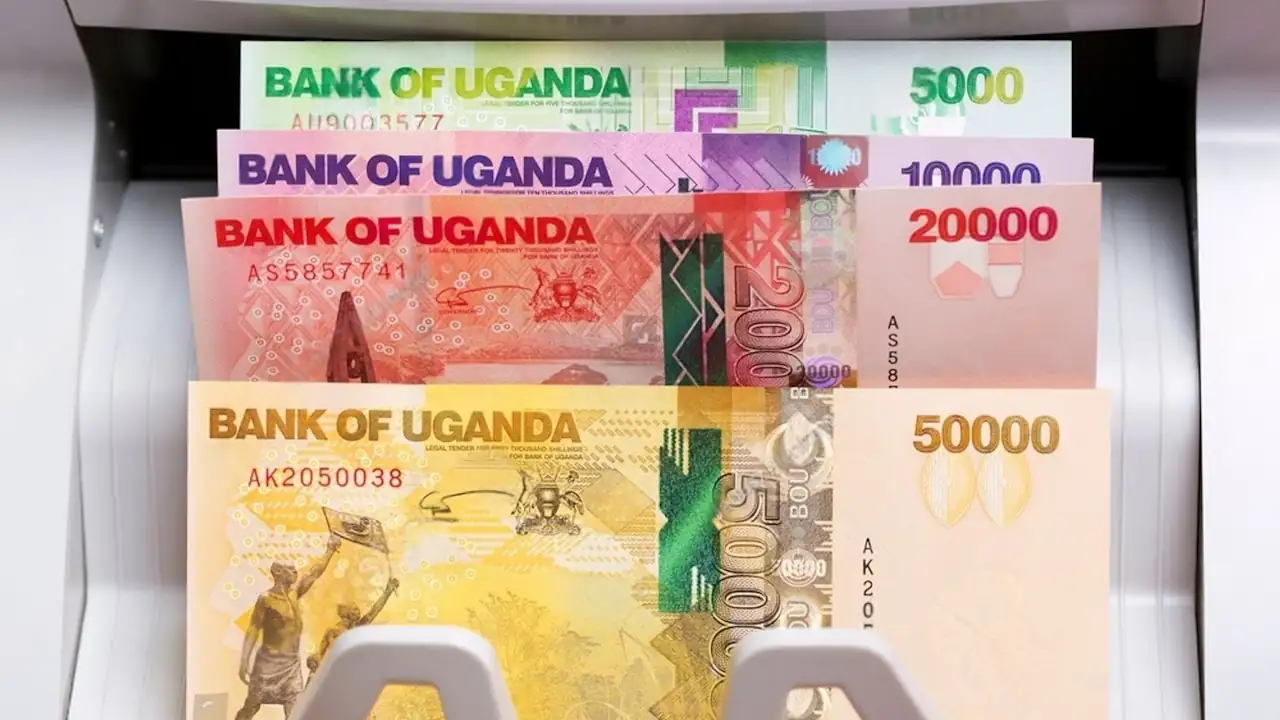
Bank of Uganda data show gold exports reached $8.9bn, or 70.1 tonnes, in the year to June, up from $4.2bn and 49.1 tonnes a year earlier. By our calculation from the central bank’s series, that equals 56.5 per cent of the value of total exports, which include informal cross-border trade, against 39.1 per cent a year before.
Bloomberg’s analysis of customs records compiled by Big Trade Data put Thaba’s exports at $6.8bn between 2023 and mid-2026, about two-fifths of the national total. AGR, which the US sanctioned in March 2022 with Goetz and a network of companies, had a similar share of exports from 2018 to 2021, worth $1.8bn. AGR’s board resolved to close the company in April 2024. Bloomberg said Thaba’s exports in July, about $51mn, were the lowest since January 2024.
Ugandan company records, as reviewed by Bloomberg, show Thaba’s offices were registered by May 2021 at the Entebbe address that AGR used. Murikkoli held a work permit sponsored by AGR from August 2020 to August 2023; he told Bloomberg he was approached to become the refinery’s chief operating officer but never worked there. Thaba’s company secretary is a law firm headed by Sharon Tem, who remained AGR’s company secretary until 2024. Tem told Bloomberg she has had no business relationship with Goetz since 2022 and that her services to Thaba are limited to statutory governance.
Trade data show that six AGR suppliers later sold to Thaba and to no other Ugandan refinery, Bloomberg said. Those suppliers were involved in shipments equal to about 40 per cent of Thaba’s gold import value, or $3bn. Ferrari Group, a logistics provider that carried AGR’s exports, now carries almost all of Thaba’s. Ferrari told Bloomberg that its activities are limited to shipping goods and that it does not serve sanctioned parties. Bloomberg said the intermediaries and the logistics provider were not themselves sanctioned.
Three Western officials and a former senior Ugandan financial investigator told Bloomberg that Goetz has continued to operate through proxies on Thaba’s board, which Goetz and Murikkoli deny. Bloomberg did not name the four.
The Extractive Industries Transparency Initiative (EITI) valued Uganda’s recorded gold production at Shs785.4mn in 2023/24, or 0.17 per cent of mineral output, in its latest report. The same report put gold exports at more than Shs11tn and described production as dominated by artisanal and small-scale miners. Bloomberg reported that the Ministry of Energy and Mineral Development said the country formally produced almost no gold in the 15 months from January 2024.
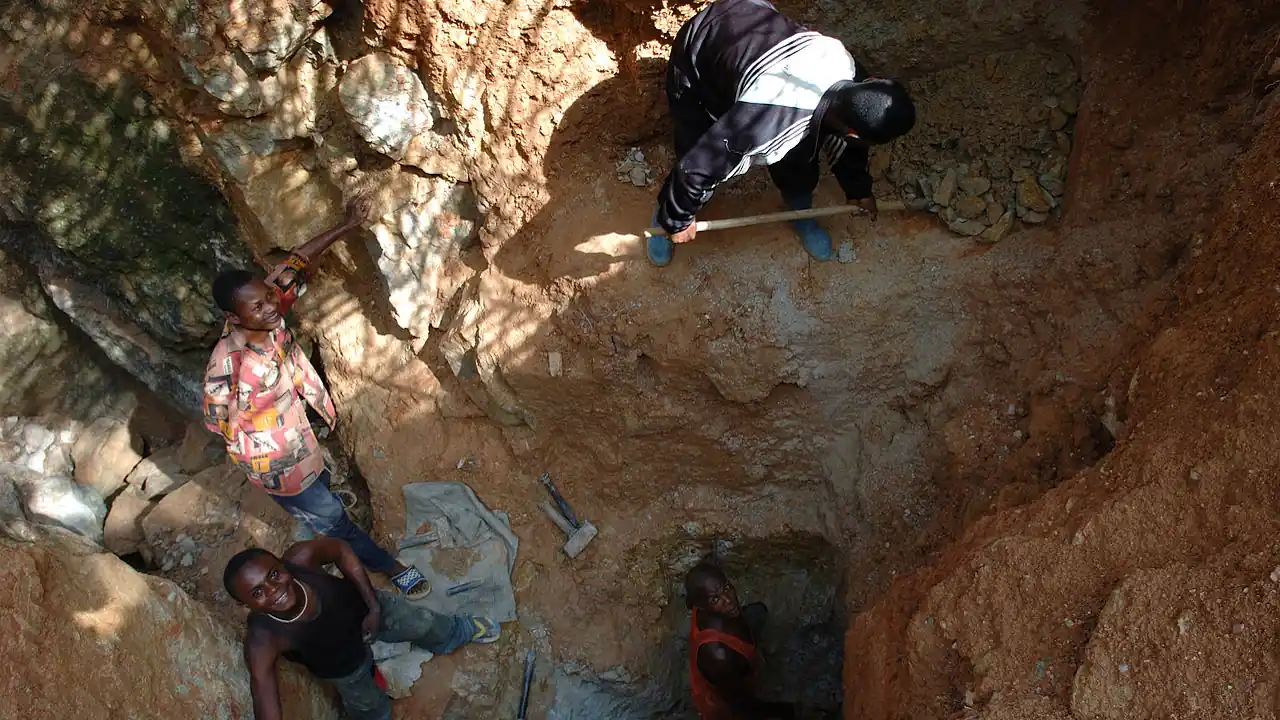
A UN group of experts has attributed the surge to Congolese gold. Its June 2026 report said the rise in Ugandan exports in 2025, when they reached about 62 tonnes worth $6.4bn, was “largely attributable to gold originating from the Democratic Republic of the Congo”. An earlier report said smuggling from Ituri province “significantly inflated the gold refining and export figures of Uganda”.
Augustus Nuwagaba, BoU deputy governor, said at a banking conference in Kampala in February that much of the country’s gold appeared to come from outside Uganda. “It means, actually, that gold is most probably not ours,” he said, according to media reports. Lawrence Muwonge, an extractives manager at the Uganda Revenue Authority (URA), told The Independent last month that exports can be tracked, but “when it comes to a refiner telling you from whom they buy gold, it is next to impossible”.
The EITI report, which draws on URA data, shows Thaba in a less dominant position in the year to June 2024. It exported Shs2.76tn of gold, or 23.4 per cent of the total, behind Bullion Refinery at 24.5 per cent. Thaba’s recorded gold imports of Shs3.10tn exceeded its exports by Shs337.7bn. The periods and data sets differ from Bloomberg’s, so the shares are not directly comparable.
Thaba is one of seven firms holding a government mineral refining licence, and Bloomberg said it took part last year in a tender to supply gold to the central bank. The US Treasury sanctioned the African Gold Refinery in 2022 along with Goetz and a network of companies that Washington said helped finance armed groups in eastern Congo. Washington has since twice rejected Goetz’s petitions to be delisted, and a US judge ruled against him in March 2025. In August he posted an apology on Truth Social for shortcomings in AGR’s due diligence and said he had “no interest in returning to any business connected to gold”.