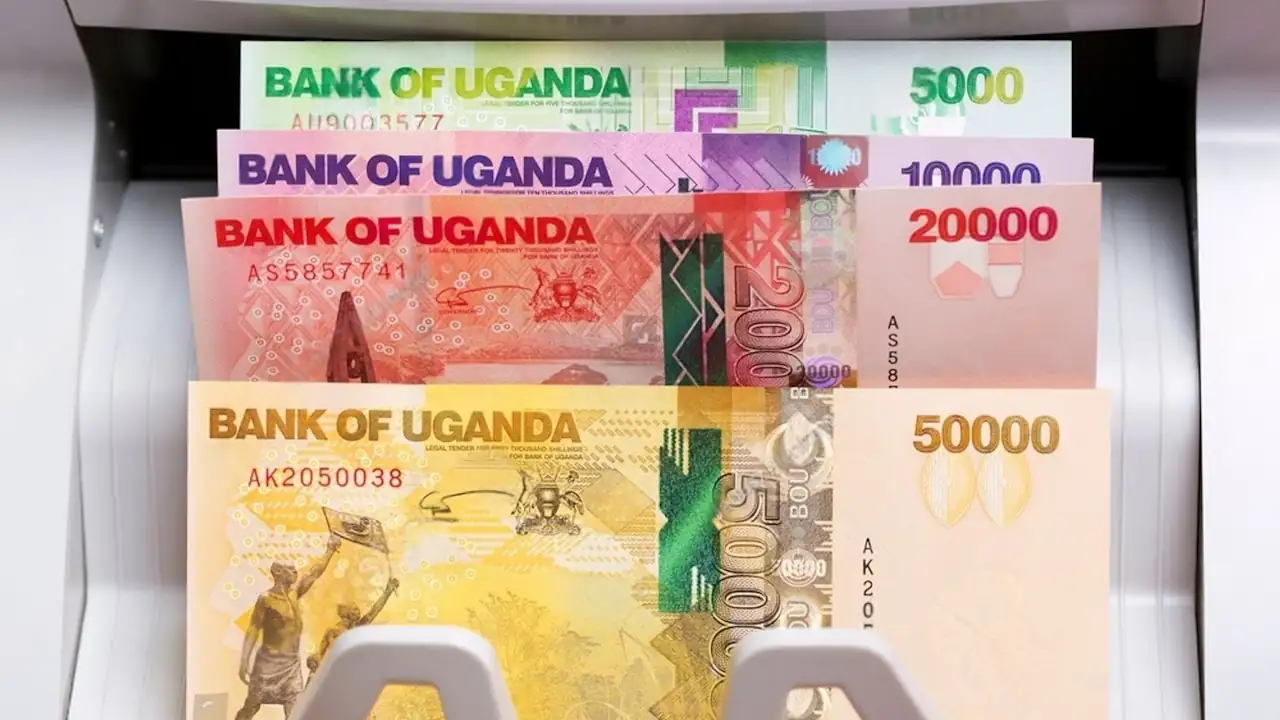
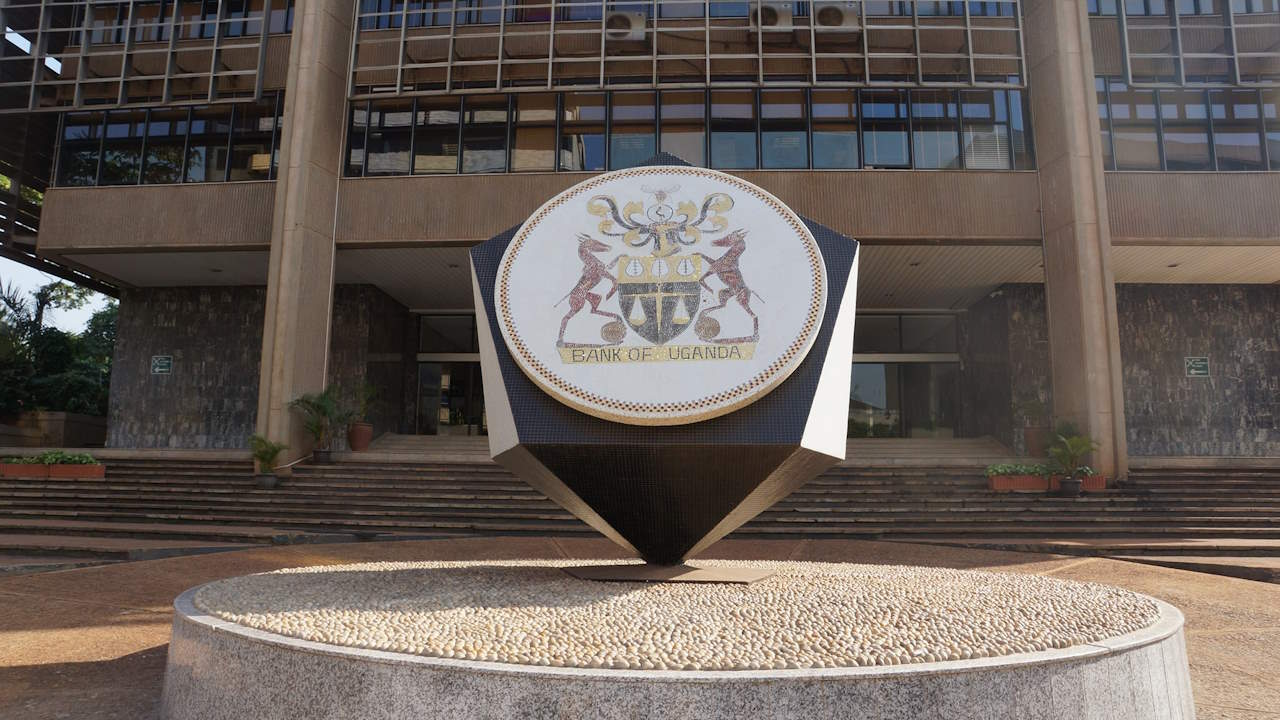

The shilling closed above Shs4,000 to the dollar for the first time on Monday, and the Bank of Uganda has said it does not plan to sell dollars to defend the currency.
Central bank data put the mid-rate at Shs4,023.57 at the close, up from Shs3,966.90 on Friday. The previous weakest level on its interbank series, which averages each day’s trades, was Shs3,944.72 in February 2024. The shilling has lost 10 per cent against the dollar this year, the second-worst performance in Africa after Ghana’s cedi, Bloomberg reported, after six straight days of losses.
Absa said the demand comes from importers in energy, manufacturing and telecoms, and from offshore investors who have trimmed holdings of Ugandan debt or covered them with dollar purchases. Its currency outlook describes the shilling as “vulnerable to renewed dollar demand”. Adam Mugume, the central bank’s executive director for research and policy, said uncertainty over the Middle East conflict had led some companies to buy dollars forward.
Reuters reported on 1 October that the central bank had said it did not plan to intervene directly in the currency market through dollar sales, echoing Mr Mugume, who had called direct dollar sales “policy inconsistency”. Instead it raised the cash reserve requirement for commercial banks to 13.5 per cent from 11.0 per cent, effective 24 September, the second increase in six months.
Absa said the move would drain liquidity and help stabilise the shilling. The central bank said the change was meant to support “prudent liquidity management”. Governor Michael Atingi-Ego told a bankers’ conference on 18 September that the bank “has what it takes to stabilise this exchange rate”.
The interbank mid-rate stayed between Shs3,915 and Shs3,925 in the five sessions from 24 September, when the higher requirement took effect. The slide resumed in October, with the central bank’s mid-rate rising from Shs3,923.10 on 1 October to Shs3,966.90 on 2 October.
Gross reserves stood at $6.52bn in August, 86.6 per cent above the $3.49bn of February 2024, when the shilling last hit its weakest level. They covered 3.6 months of imports, excluding oil-project imports, against 3.3 months then. Reserves had fallen 14.3 per cent in the eight months to that February. This time they rose by $2.39bn in the year to June, in line with the balance of payments surplus of $2.4bn that the bank cited in August.
The bank does not announce its dollar purchases and sales, so how much of that larger cushion it is using is not public. Reserves in August were $168mn below their June peak, and the September figure has not been published.
The monetary policy committee held its rate at 9.75 per cent on 13 August and revised its forecast for headline inflation down to an average of 5.5 to 6 per cent over the next 12 months. It cited oil prices below their May peak and a shilling “stabilising after depreciating earlier in the year”. The shilling has since lost 7.8 per cent against the dollar.
Annual inflation reached 4.6 per cent in September, the highest since June 2023, with petrol 30.9 per cent and diesel 42.5 per cent dearer than a year earlier. In August the committee said it needed “clarity on the inflation outlook” before considering further action. It next meets on 12 November. In a note on 17 September, BMI, part of Fitch Group, forecast a quarter-point rise in the policy rate to 10 per cent at that meeting, and said it did not expect the shilling to weaken much further.