Core inflation

What the Bank of Uganda’s rise to 12 per cent means for the shilling, fuel and loans
How the Bank of Uganda's increase in its policy rate to 12 per cent could affect the shilling, pump prices, and existing loans and savings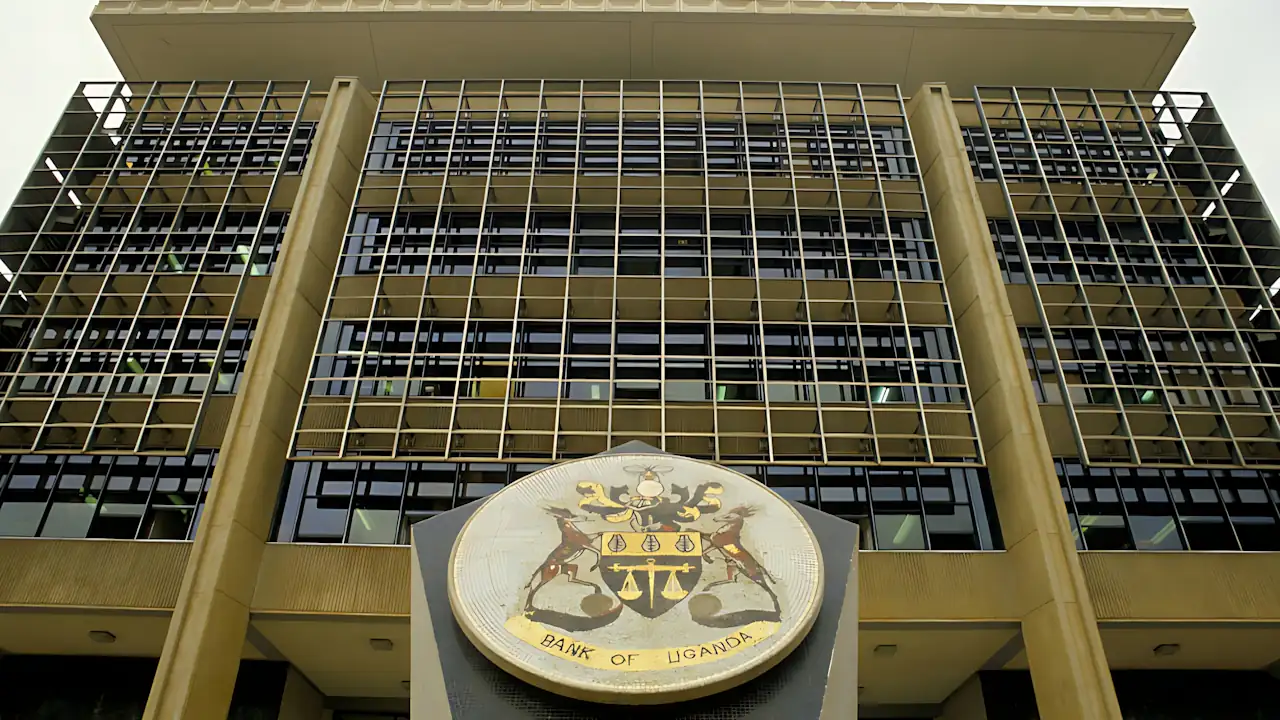
Bank of Uganda raises benchmark rate to 12 per cent at special meeting
Uganda’s central bank lifted its rate to 12 per cent, the largest increase since 2011, and raised its inflation forecasts as the shilling weakened
Food and fuel push Uganda’s inflation to its highest since 2023
Annual inflation rose to 4.6 per cent from 4.1 per cent as matooke rose 16 per cent in a month and petrol and diesel stayed 30.9 and 42.5 per cent above last year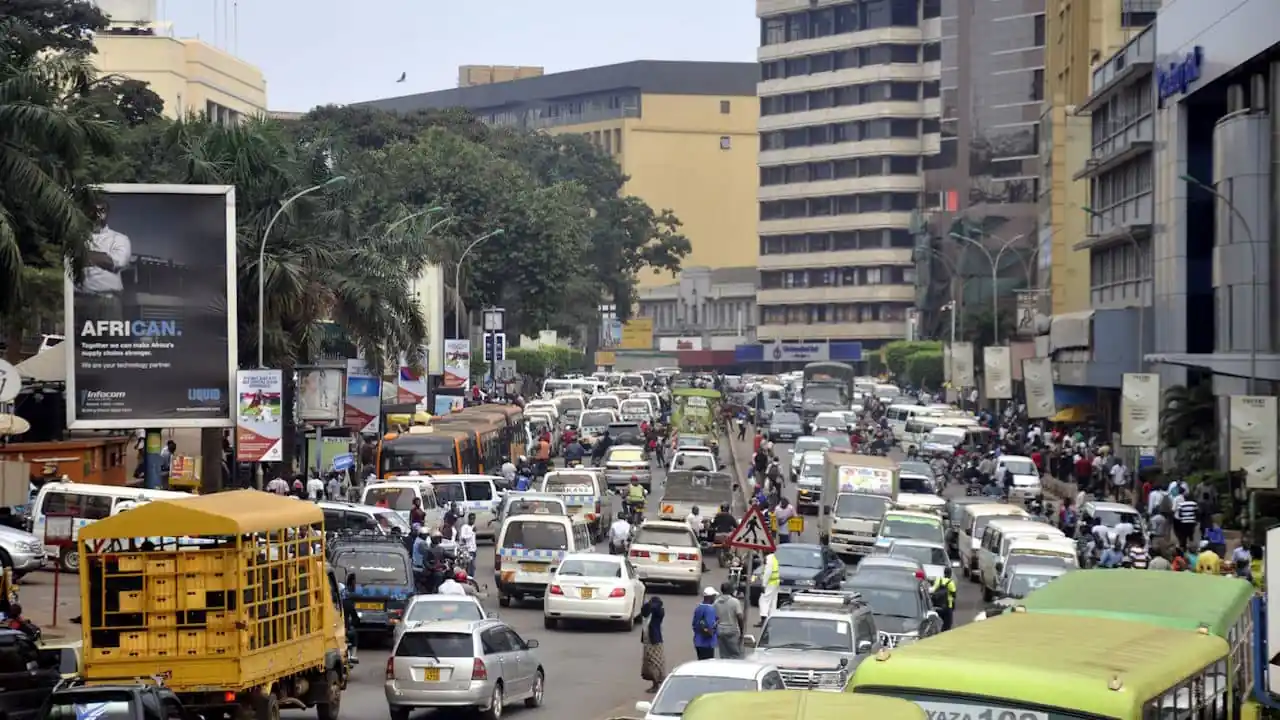
Rising energy prices push inflation higher in April
Inflation rose to 3% in April as fuel and transport costs increased, highlighting growing energy-driven price pressures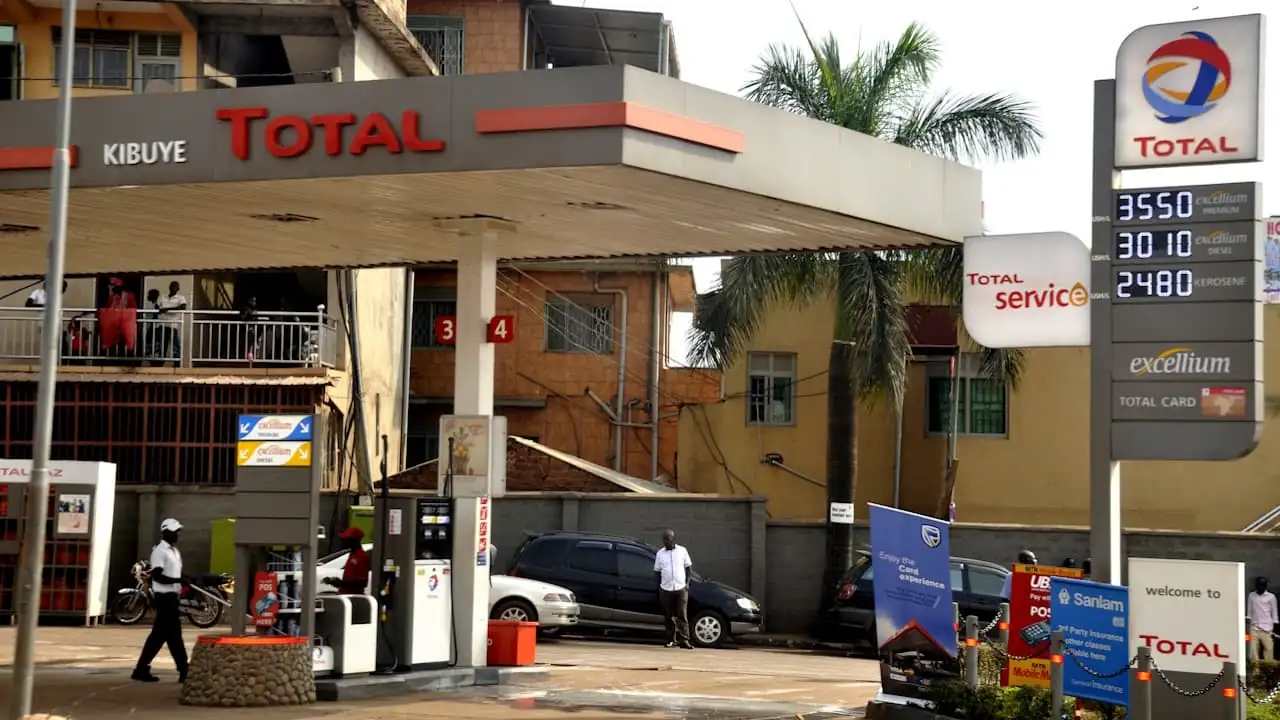
Inflation dips despite fastest rise in fuel costs in over a year
Uganda’s March inflation eased to 2.8% as core and food prices offset a sharp rise in energy costs
Inflation eases as education costs moderate
Annual inflation fell to 2.9% in February from 3.2% as education and service cost pressures eased
Inflation inches up to 3.2% on higher transport and service costs
January inflation rose to 3.2% as service costs jumped, offsetting easing food price pressures from December
Inflation holds steady at 3.1% as food prices climb
December's inflation held at 3.1% as rising vegetable and energy costs offset easing core price growth
Inflation falls for second consecutive month to 3.1%
Inflation slowed to 3.1 per cent in November, reflecting a cooldown in the prices of food items and crops, according to figures from the Uganda Bureau of StatisticsMore Core inflation
Inflation hits highest in 15 months, driven by food prices
Consumer price inflation for the year ended May 2017 rose to 7.2%, its highest level in 15 months, as the effects of a prolonged drought in parts of the country pushed up food prices.

Inflation falls to 6.4% in March
Annual headline inflation for the year ending March 2017 declined to 6.4% compared to the 6.7% recorded in the year ending February 2017.

Inflation hits one-year high in February
Annual headline inflation rose to 6.7% for the year ended February 2017, up from 5.9% in January. This was on the back of higher food prices, with annual food crops inflation rising to 18.8% from 14.5% in January.
Inflation rises to 5.9% in January
Inflation rose to 5.9% in January, the highest rate in seven months, mainly driven by an increase in the price of food crops, according to the Uganda National Bureau of Statistics. Headline inflation in December 2016 came in at 5.7%.
Inflation climbs to six-month high
The inflation rate rose sharply in December to 5.7%, the highest rate in six months, mainly because of an increase in the price of food crops to 10.8%, according to the Uganda Bureau of Statistics. Headline inflation in November was 4.6%.
Food prices drive rise in headline inflation in November
Inflation for the year ended November 2016 rose to 4.6% from 4.1% the previous month, the first increase since July, while core inflation - a key measure targeted by the Bank of Uganda - rose for the second consecutive month to 5.2%.
Bank of Uganda governor on central bank’s role in ensuring macroeconomic stability
To control core inflation, the Bank of Uganda takes a forward looking approach. This is because monetary policy operates with significant lags. A change in the interest rate today will not have its full impact on prices for at least one year ahead.