Sovereign debt
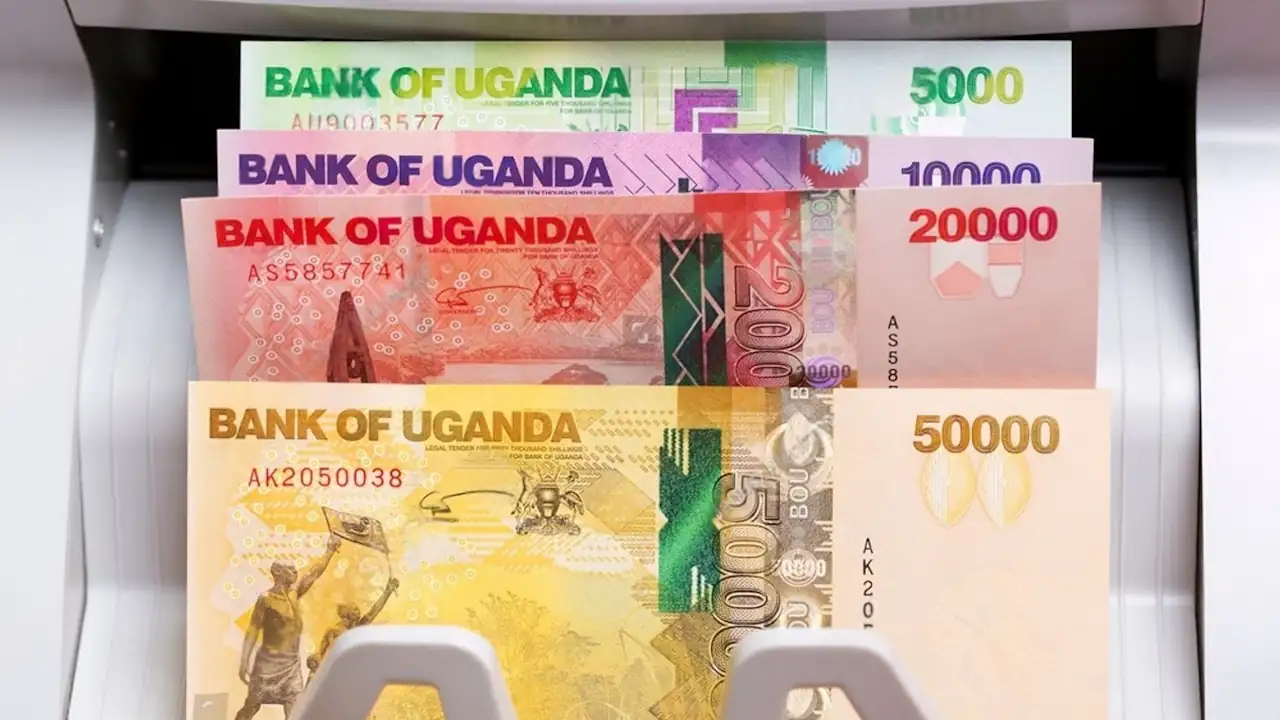
Sovereign debt
Foreign buying of Ugandan government debt fades after a record 2025
Non-residents hold $2.7bn of Ugandan government debt after buying $2.2bn in 2025, but quarterly purchases fell to $25.5mn in April to June
African Credit Rating Agency
Mauritius to host Africa’s own credit rating agency
Ratings influence who lends to African governments and at what price, and the Africa Credit Rating Agency is the continent's bid to build its own assessments
Foreign exchange
Uganda shilling weakens sharply as oil prices and global risk sentiment shift
Rising oil prices and shifting investor sentiment drive Uganda shilling to weakest level since mid-2024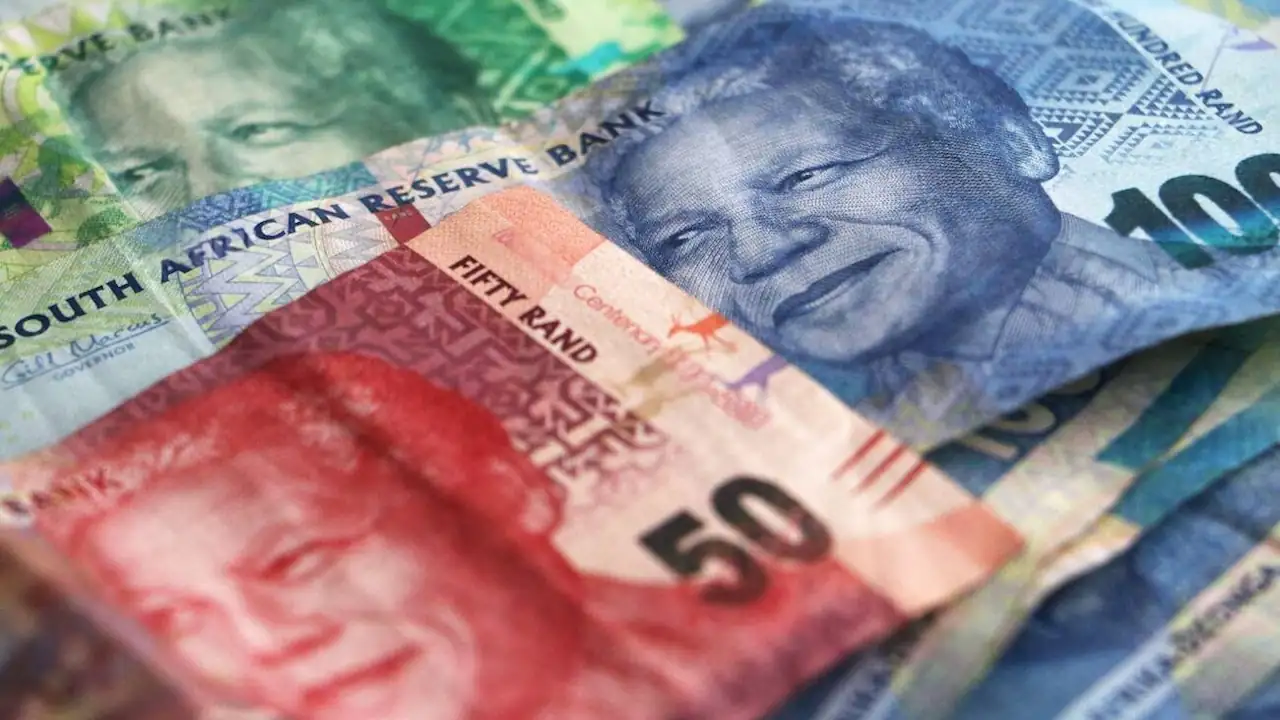
Middle East war
The Middle East war is hurting Africa. Here is how the continent fights back
As the Middle East war pushes African currencies lower and borrowing costs higher, a Pretoria scholar sets out how the continent must respond
Banking Sector
Stanbic trading desk powers record profit
Stanbic Uganda Holdings posted its strongest profit growth in three years in 2025, led by a surge in trading income and compressed interest margins
Uganda bonds draw strong demand as yields fall to near two-year lows
Investors accepted sub-coupon rates across all three tenors at February's auction, signalling a marked shift in sentiment towards Ugandan sovereign debt
The G20 must end the cost-of-capital penalty imposed on Africa
Africa's cost of capital crisis is not rooted in economics alone, but is perpetuated by perception and precedent, as well as the structural inertia of a global financial system that systematically overprices African risk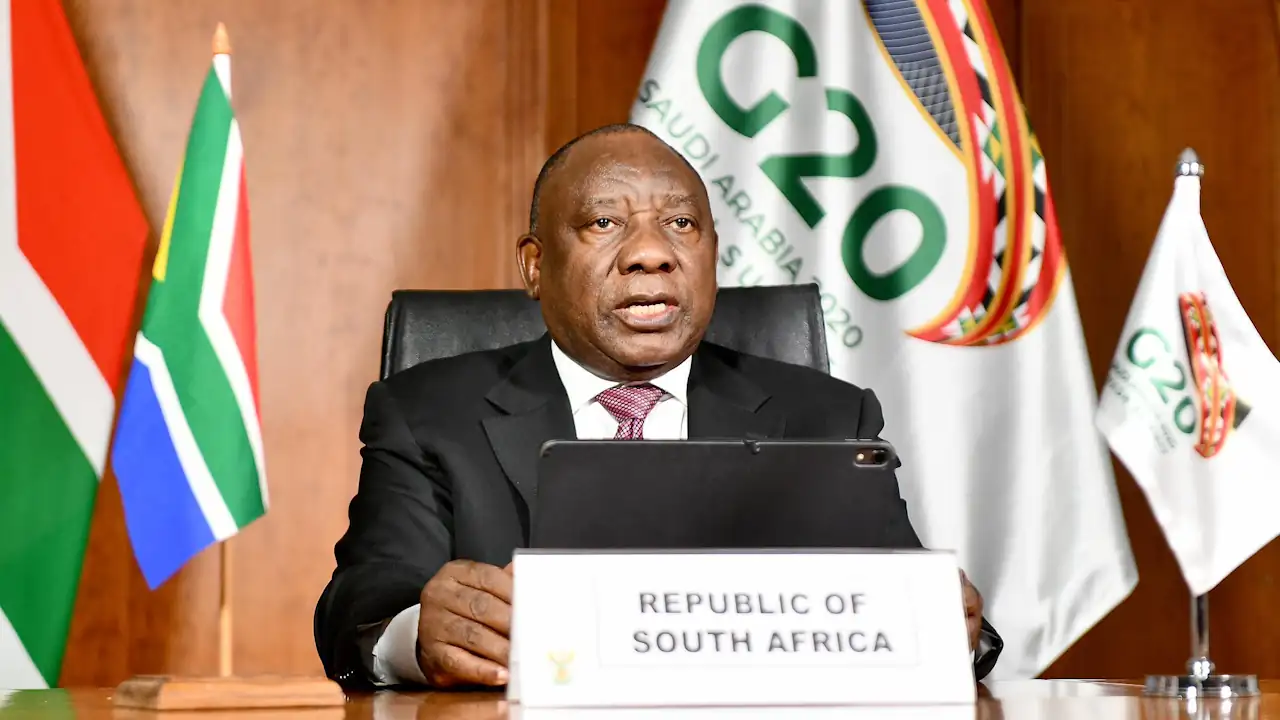
Africa’s debt crisis demands more than G20 declarations
African nations are trapped: spending more on debt servicing than on health or education, whilst climate shocks compound their struggles. South Africa's G20 tenure has highlighted the crisis, but substantive solutions remain elusive