
Africa’s cost of capital crisis is not rooted in economics alone. Rather, it is perpetuated by perception and precedent, as well as the structural inertia of a global financial system that systematically overprices African risk.
As G20 leaders gather in Johannesburg this week, the extent of this distortion is impossible to ignore. African countries face borrowing costs that far exceed those of comparably rated economies elsewhere. Between 2016 and 2021, when concessional lending contracted and many African governments turned to capital markets, they paid an estimated $56bn more in interest than they would have under traditional aid terms — a sum larger than the continent’s total foreign direct investment in 2023.
This is not merely an African problem. Almost 3.4 billion people worldwide live in countries that spend more on servicing debt than on health or education. In Africa, three in five citizens now live in such economies. The mechanism is well understood: credit rating agencies use methodologies that emphasise historical volatility and political risk, often employing subjective assessments that perpetuate outdated narratives. The result is a feedback loop in which African borrowers are charged higher interest rates because they are perceived as riskier, regardless of their actual performance.
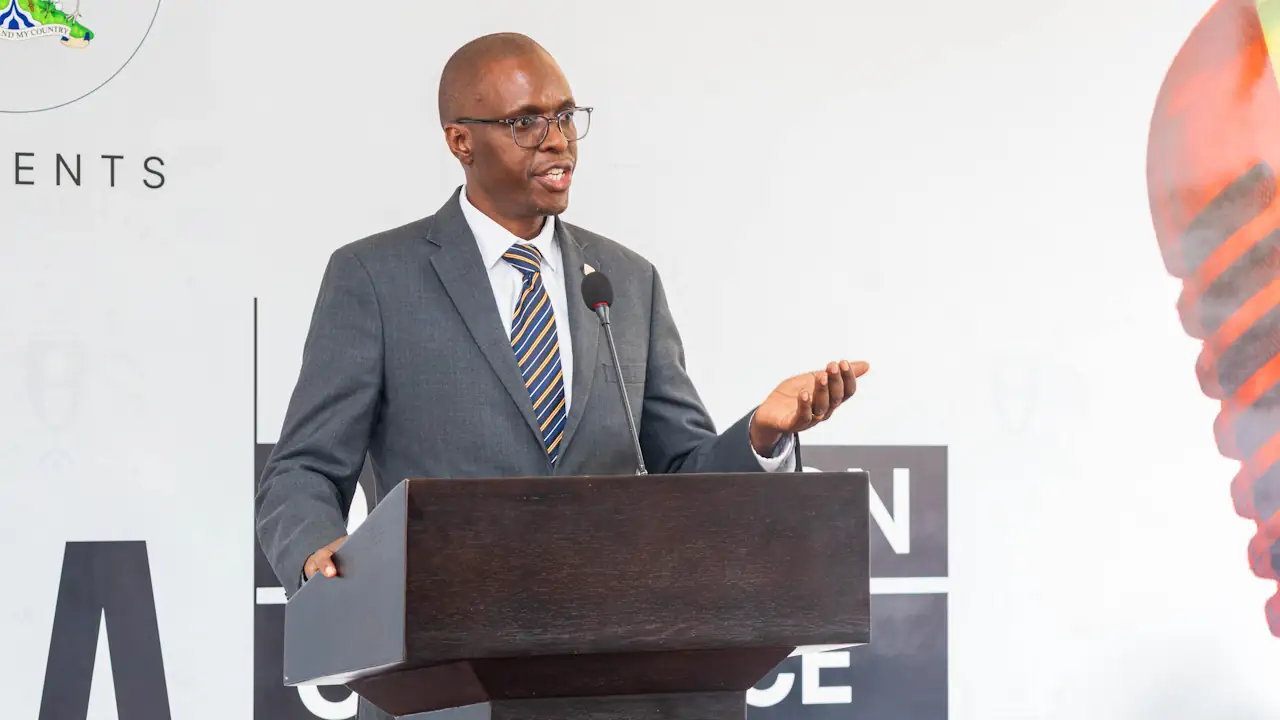
“When countries pay inflated interest rates driven by outdated perceptions, they are forced to choose between paying creditors or paying teachers, nurses and engineers,” said Serah Makka, Africa executive director at the ONE Campaign. “Lowering the cost of capital is not charity; it is smart economics, and it is in the world’s collective interest.”
The evidence suggests a disconnect between risk pricing and reality. Infrastructure investments in Africa have, by some measures, delivered returns that have outpaced major global equity indices over the past two decades. Yet, sovereign borrowing costs remain stubbornly high, influenced as much by perception as by fundamentals.
Official development assistance fell 7.1 per cent in 2024, with further cuts expected. As concessional finance becomes less available, the cost of capital becomes a determining factor in whether countries can invest in infrastructure, health systems or education. The so-called “African risk premium” is not an abstraction — it is a structural barrier with quantifiable implications for development.
The ONE Campaign argues that the G20 has both the authority and the opportunity to address this imbalance. Reforms must centre on transparency in risk assessment, greater African participation in global financial governance, expanded use of risk-mitigation instruments, and renewed commitment to concessional finance for countries that genuinely need it.
This summit comes at a time when the architecture of global finance is under scrutiny. The question is whether the G20 will seize this opportunity to recalibrate a system that penalises potential, or whether the status quo will persist. What is certain is that the current arrangement, in which Africa pays more because the rest of the world sees it as less important, is neither sustainable nor just.
Read: Africa’s debt crisis demands more than G20 declarations
ONE is a global, non-partisan organisation that advocates for the investments needed to create economic opportunities and healthier lives in Africa. It uses data, grassroots activism, political engagement and strategic partnerships to influence decision-makers. Learn more at www.one.org.