
Uganda’s coffee sector is set for a targeted overhaul of its planting material systems under a €850,000 (Shs3.7bn) initiative backed by multilateral agencies and global industry groups, as policymakers seek to lift yields in the key export industry.
The three-year programme, led by the United Nations Industrial Development Organization and World Coffee Research, brings together public and private actors including the Lavazza Foundation, JDE Peet’s and The J.M. Smucker Company. It will focus on improving access to high-quality seedlings, strengthening research capacity, and expanding adoption of disease-resistant varieties.
The effort comes as Uganda, Africa’s largest coffee exporter, pushes towards a longstanding target of 20mn bags of annual production by 2030. Coffee generated roughly $2.4bn in export earnings in 2025, according to official data, making it the country’s second-largest export after gold, which has surged in recent years to dominate foreign exchange receipts.
Despite this shift, coffee remains central to the rural economy, supporting an estimated 1.8mn smallholder farms and underpinning incomes across much of the country. Its performance is therefore closely tied to broader concerns of agricultural productivity and export diversification.
Yet yields remain constrained. Ageing trees, disease pressures and inconsistent access to high-quality planting material continue to weigh on output, limiting Uganda’s ability to fully capitalise on global demand.
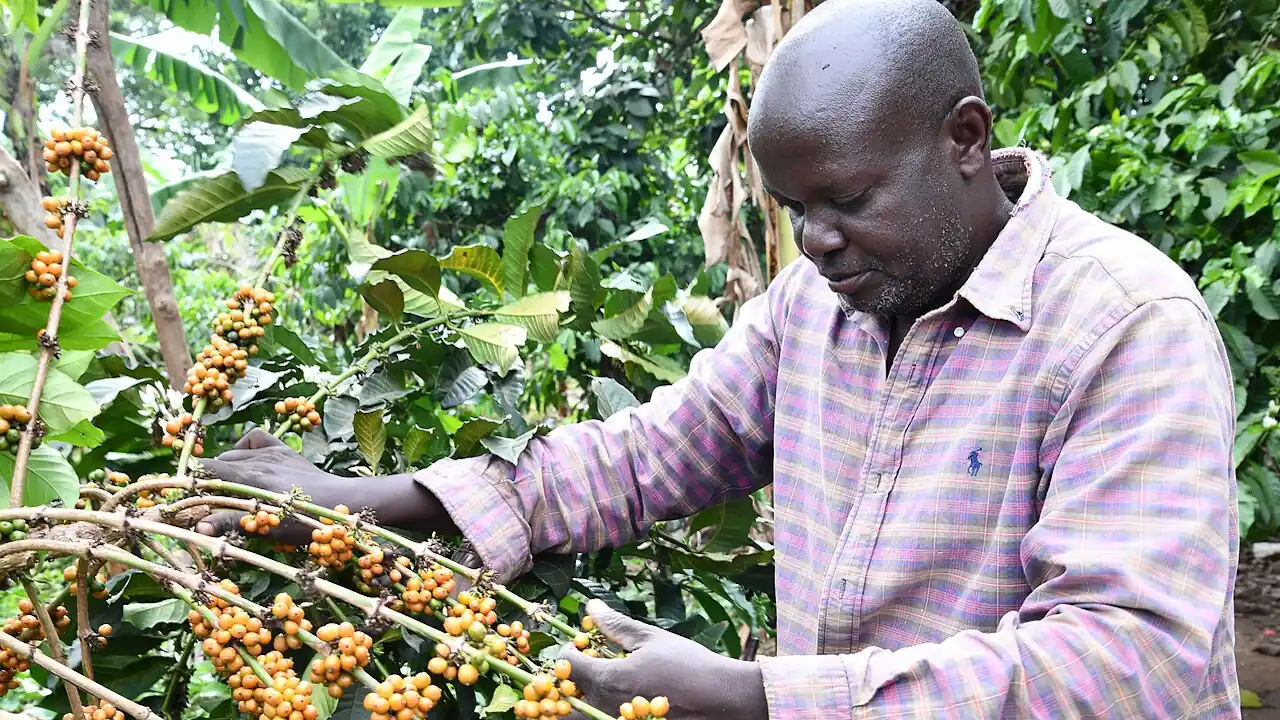
At the core of the programme is the expansion of seed system infrastructure, long identified as a bottleneck. New robusta mother gardens and nurseries will be established across the northern, central and western regions, with capacity to produce up to 460,000 improved trees annually. These will include varieties resistant to coffee wilt disease and grafted plants designed to better withstand drought conditions, particularly in the north.
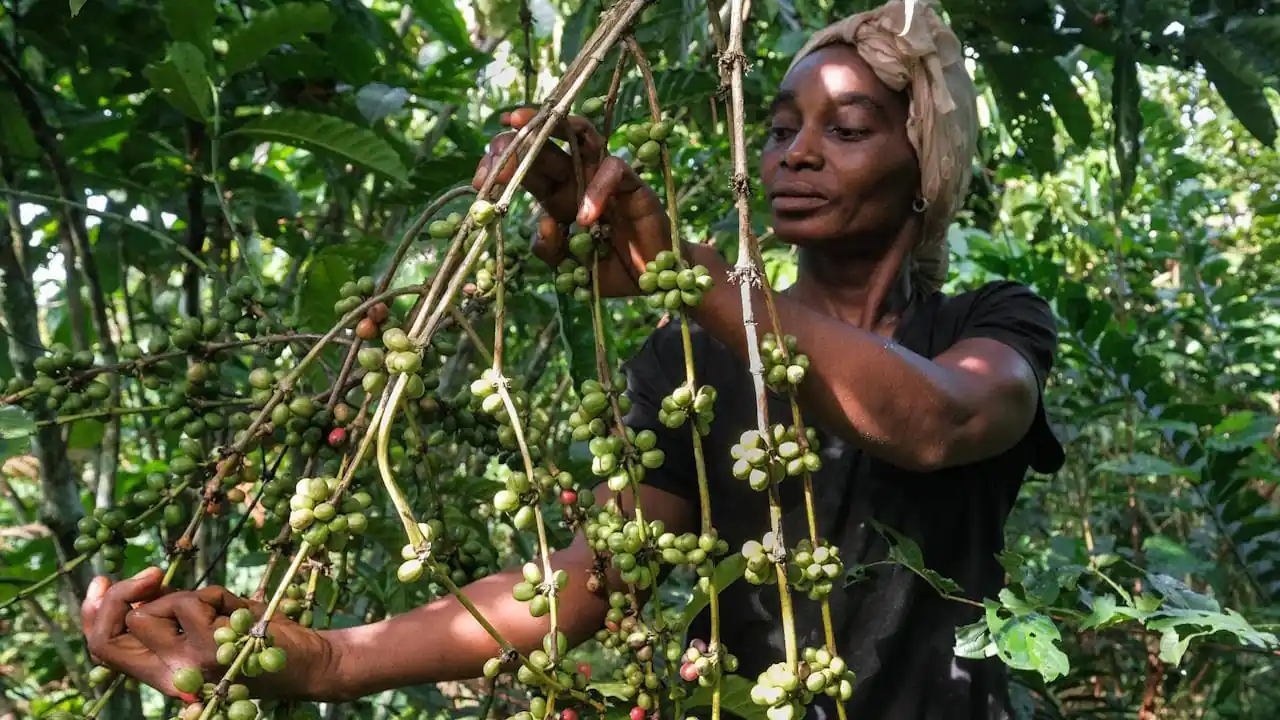
Disease remains a persistent threat. Coffee wilt disease affects robusta varieties, while arabica crops are vulnerable to leaf rust and coffee berry disease. Research cited by the programme suggests that adoption of resistant varieties can significantly raise farm incomes, in some cases more than doubling returns.
Alongside expanding supply, the initiative places emphasis on quality assurance. More than 5,000 mother plants are to be genotyped to ensure genetic purity, addressing a longstanding concern that farmers often receive planting material of uncertain origin.
The programme aligns with a 2025 roadmap developed by Uganda’s National Agricultural Research Organisation and National Coffee Research Institute in collaboration with World Coffee Research, which identifies weak seed propagation systems, limited access to improved varieties and declining soil fertility as key constraints on sector growth.
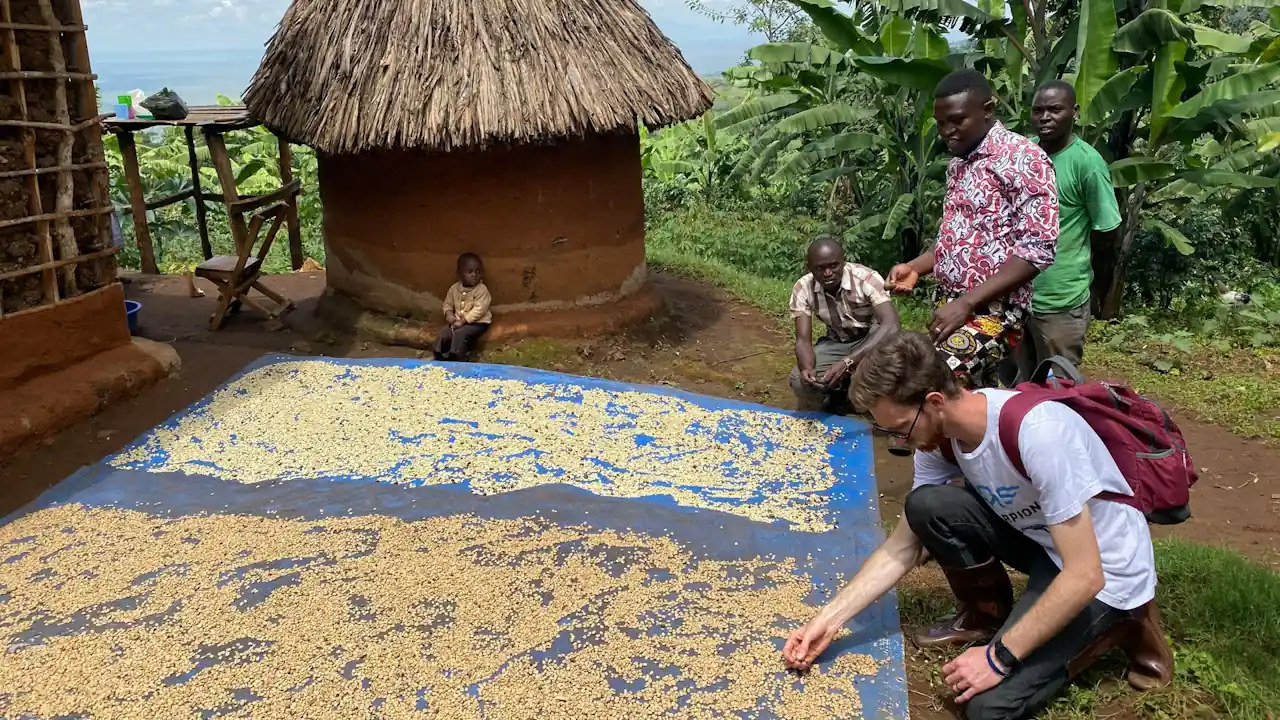
Training and capacity building form a further component, with technicians to receive instruction in advanced propagation techniques and quality control, including placements at international research centres. Demonstration plots for both robusta and arabica varieties will be used to encourage farmer adoption, addressing the gap between research output and on-farm uptake.
The initiative forms part of a broader push to increase investment in agricultural research and development, following renewed emphasis from G7 partners on strengthening resilience in global commodity supply chains.
While modest in scale, the programme is intended as a catalytic intervention. For Uganda, where coffee underpins rural livelihoods even as gold dominates export receipts, its success will depend on whether it can deliver sustained productivity and reliability gains across the value chain.
(1€ = Shs4,327.64)