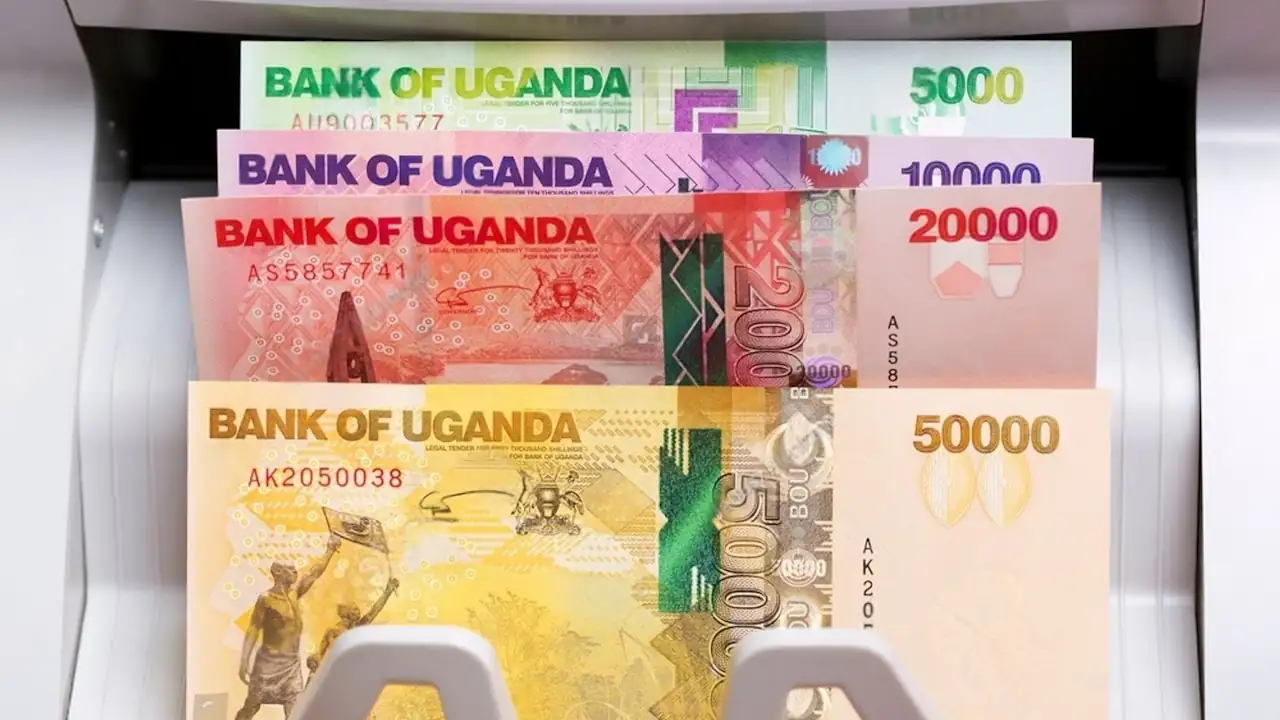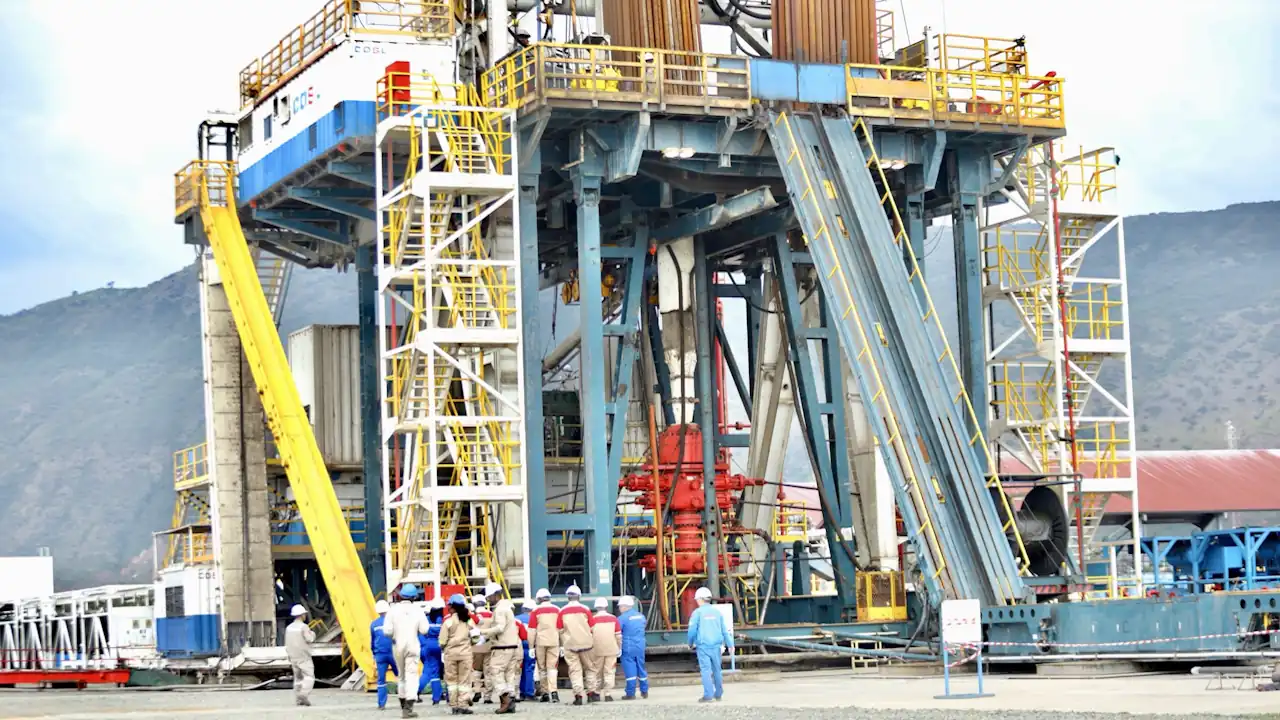

Uganda is set to rank among the world’s fastest-growing economies over the next two years, according to the IMF, even as the broader sub-Saharan African outlook softens under the weight of external shocks.
The Fund’s latest Regional Economic Outlook, released Thursday, portrays a region that entered 2026 with momentum but now faces a more challenging environment characterised by higher energy costs, tighter financial conditions, and weaker external support.
Uganda, however, stands out in the region, with growth projected to accelerate sharply as the country transitions into oil production, placing it well above both regional and global averages.
The IMF expects Uganda’s real GDP growth to reach about 7.5 per cent in 2026, before rising further to 8.2 per cent in 2027 as oil exports increase. That trajectory would make Uganda one of the fastest-growing economies globally over the forecast period.
This performance reflects a structural shift already underway, as the economy moves from an investment-led phase driven by large hydrocarbon projects to one increasingly supported by exports. As those projects reach completion, fixed investment is expected to moderate, while rising oil exports lift net trade and overall output.
Uganda’s trajectory builds on its strong performance in recent years. Growth across sub-Saharan Africa reached about 4.5 per cent in 2025, the fastest in a decade, with Uganda among the economies expanding at more than 6 per cent.
The country is now expected to exceed the regional average, which the IMF forecasts at 4.3 per cent in 2026 and 4.4 per cent in 2027. In comparative terms, Uganda’s projected growth rates for 2026–27 exceed those of most other emerging and developing economies, highlighting the anticipated scale of the oil-driven uplift.
The regional backdrop, however, has become more difficult.
The IMF expects growth in sub-Saharan Africa to ease in 2026, reflecting the impact of the war in the Middle East, which has pushed up oil, gas, and fertiliser prices while tightening financial conditions.
Inflation, which had moderated to 3.4 per cent at the end of 2025, is projected to rise again to about 5 per cent by the end of 2026, as higher import costs feed through to domestic prices.
The effects are uneven across the region, with oil exporters benefiting from stronger revenues, while oil-importing economies face deteriorating trade balances and higher living costs.
Uganda sits between these two categories. Despite the imminent start of crude production, it remains an oil importer in the near term, exposing it to higher fuel costs before export revenues fully materialise.
Read: Uganda faces higher fuel costs as US-Iran war roils oil markets
This timing mismatch limits the potential for immediate gains, leaving the economy vulnerable to fluctuations in global prices and exchange rate pressures. The strength of the medium-term outlook therefore depends not only on the scale of oil output, but also on the timing and smooth execution of export infrastructure and production ramp-up.
The IMF’s assessment reinforces a familiar pattern in Uganda’s macroeconomic profile: robust growth alongside persistent fiscal and external vulnerabilities.
Across the region, public debt and financing pressures remain elevated, with more than a third of countries at significant risk of, or already experiencing, debt distress.
Uganda is not among the most distressed economies, but the Fund continues to stress the importance of fiscal discipline, particularly as oil revenues begin to flow.
The central concern is that resource windfalls, if not carefully managed, can weaken policy frameworks. The IMF emphasises the need for new or emerging producers to treat oil revenues as temporary, strengthen fiscal rules and avoid procyclical spending.
This is particularly relevant in Uganda’s case, where public expenditure has expanded rapidly in recent years and interest payments are absorbing an ever-increasing proportion of revenues and limiting fiscal space for development spending.
External risks add an additional layer of uncertainty. A prolonged escalation in the Middle East could push energy and food prices higher still, tighten global financial conditions and weigh on regional growth. In a severe scenario, the IMF estimates that output across sub-Saharan Africa could decline by about 0.6 percentage points relative to baseline projections, with oil-importing economies being hit hardest.
In Uganda’s case, these risks would manifest as higher import costs, exchange rate pressures, and potential delays to oil-related projects, all of which could temper the projected growth surge.
The Fund’s policy message is consistent across the region: macroeconomic stability must be preserved while structural reforms are accelerated.
For Uganda, this means strengthening public financial management, improving domestic revenue mobilisation, and establishing credible frameworks for managing oil income.
At the same time, the emphasis on private sector-led growth and diversification reflects a broader challenge. Despite solid headline growth, per capita income in sub-Saharan Africa is projected to rise more slowly than in other emerging markets over the medium term.
Uganda’s oil-driven expansion offers an opportunity to diverge from that pattern, but the outcome will depend less on the scale of the resource than on how effectively it is managed.