

Uganda faces a near-term rise in fuel costs and currency pressure following the outbreak of war between the United States and Iran, but stands to benefit if elevated oil prices persist into the expected start of domestic production later this year, according to an analysis by BMI, a subsidiary of Fitch Solutions.
The research firm, writing on 2 March, warns that Uganda, which is entirely dependent on imported fuel, will feel the strain of higher global oil prices through a worsening trade balance and renewed inflationary pressure.
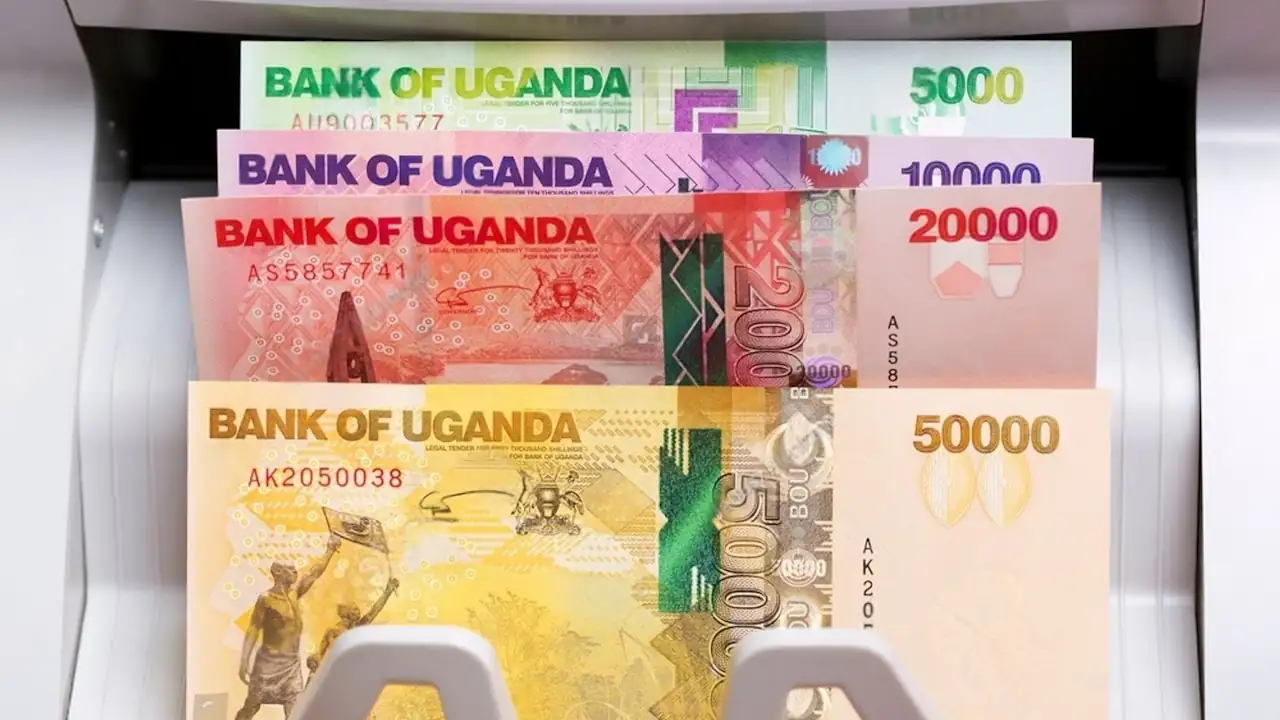
The Ugandan shilling has already come under pressure, weakening alongside other sub-Saharan African currencies when markets opened on 2 March, including the South African rand, the Mauritian rupee, and the Zambian kwacha.
Brent crude has risen sharply since the conflict began, climbing to just below $80 per barrel from $72.50 at the close on 27 February, after throughput through the Strait of Hormuz, through which roughly a quarter of global oil trade passes, fell by around 85 per cent due to a combination of coercive signalling from Tehran, spiking insurance and freight costs, and risk avoidance by shipowners. BMI warns that prices could climb further, citing risks of greater regional spillover or a prolonged campaign.
The timing is awkward for Uganda. The shilling came under pressure when markets opened on 2 March, and sustained deterioration in global risk sentiment could push it down further.
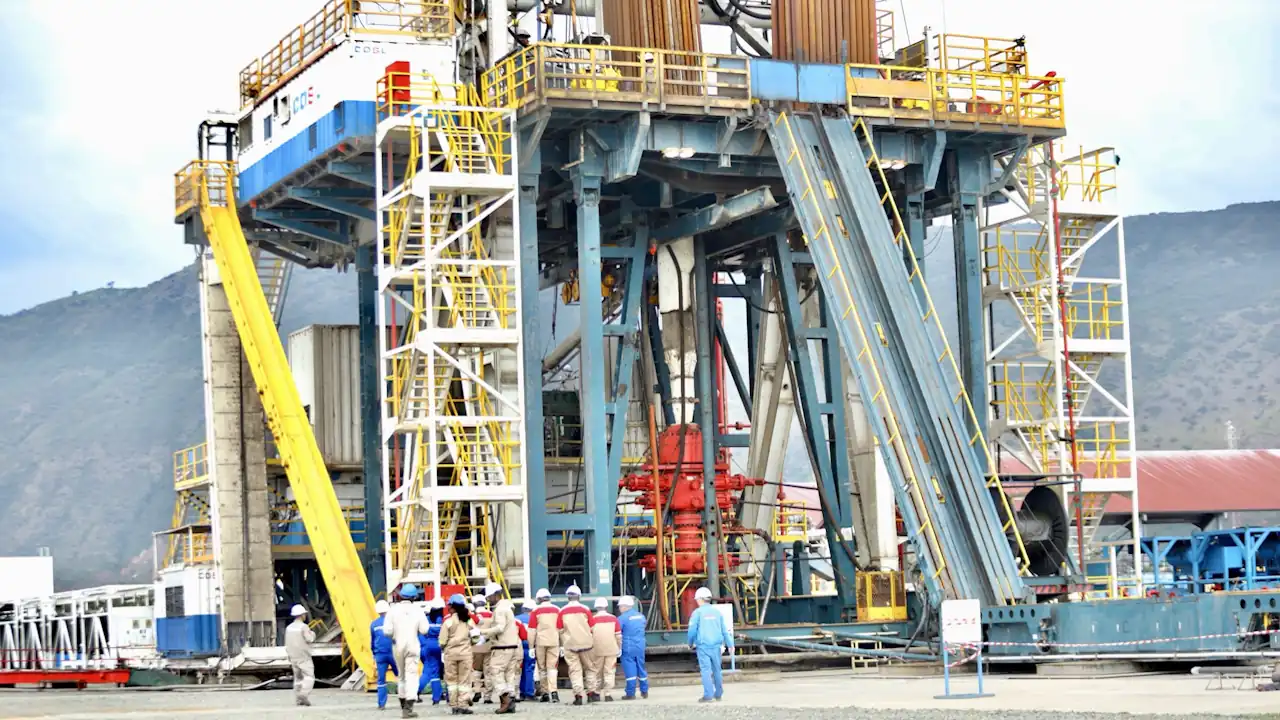
Yet BMI is careful to note that Uganda’s situation is not without a longer-term upside. If elevated oil prices persist into the second half of 2026, when Uganda expects to begin oil production, the country could start production in a supportive revenue environment. The critical variable is execution: BMI notes that delivery risks centre on the commissioning and operational readiness of surface facilities, and that meaningful output will only follow once the East African Crude Oil Pipeline is fully operational.
A region divided
Uganda’s predicament is part of a wider narrative. The conflict has set off a sharp reassessment of risk across sub-Saharan Africa, with the region’s economies broadly falling into two categories: those that will benefit from higher crude prices and those that will bear the cost.
BMI identifies two primary transmission channels: shifts in global investor sentiment and commodity price volatility. It is the sentiment channel that poses the greater systemic risk: a sharp and sustained reversal in global risk appetite would trigger capital outflows and currency depreciation, posing the greatest threat to economies with large foreign-currency liabilities.
Financial markets reacted quickly. The US dollar strengthened on a mild safe-haven bid, global equities were sold off, and emerging market currencies weakened across the board. Mauritius was hit particularly hard given its sensitivity to freight and shipping costs, with its main stock index, the SEMDEX, falling 1.3 per cent on 2 March, the largest single-day decline among major SSA exchanges that day.
Nigeria and the exporters
Of SSA’s larger economies, Nigeria is the most likely to benefit. As a net crude exporter, higher benchmark prices are expected to boost export receipts and support external resilience. The increase in domestic fuel production from the Dangote refinery since late 2024 has also reduced Nigeria’s exposure to spikes in the global price of refined products, partially shielding the domestic economy from the pass-through that previously offset the benefits of higher crude prices.
BMI notes, however, that the naira’s relative stability has rested on recovering portfolio inflows, underpinned by tight monetary policy, and that a deterioration in global risk sentiment could reduce those inflows, putting downside pressure on the currency. On balance, it expects higher oil-related foreign exchange earnings to more than offset any non-resident outflows.
Although Angola could benefit from higher crude prices, the gains are likely to be modest. The country’s limited domestic refining capacity means it remains reliant on refined fuel imports, which will offset at least some of the revenue gains from higher export prices for crude oil. Any renewed upward pressure on domestic fuel prices also risks generating social discontent, which could force the government to water down its planned fuel-subsidy phase-out, an additional fiscal risk.
Among smaller producers, Congo-Brazzaville appears well-positioned, with oil output expected to rise 8.5 per cent in 2026, amplifying the benefit of higher prices. South Sudan could also benefit, with rising output potentially enabling arrears to be cleared and easing pressure on the pound, although BMI notes that substantial risks remain given the country’s fragile security environment.
Ghana, whose crude trade position is broadly balanced, is likely to record a modest net gain through a different channel: it is a major gold producer, and the flight to safe-haven assets has pushed gold prices sharply higher. That would provide a useful buffer against the steep year-to-date fall in cocoa prices, which are down 51.1 per cent.
The exposed importers
South Africa, BMI argues, is among SSA’s more exposed markets. As a net oil importer, higher crude prices will push up imported inflation and weigh on the external balance, while a stronger dollar and rising geopolitical uncertainty will weaken the rand, which fell 1.7 per cent when markets opened on 2 March. Higher gold prices will provide some offset, supporting export receipts and mining sector income.
BMI’s scenario analysis suggests that a 10–30 per cent temporary rise in Brent prices would reduce South Africa’s real GDP growth in 2026 by 0.10–0.45 percentage points relative to the baseline of 1.5 per cent, while pushing inflation up by 0.08–0.34 percentage points.
Political dynamics add another layer of complication: South Africa’s condemnation of the US-Israel strikes on Iran, alongside its ties with Tehran and visible divisions within its Government of National Unity, risk souring relations with Washington, which could complicate its access to preferential trade arrangements.
Kenya faces sharp exposure of a different kind. The country has recently benefited from strong risk-on sentiment, which has sustained substantial portfolio inflows and pushed the overall balance of payments into surplus. This has enabled significant reserve accumulation and helped to keep the shilling stable at around KES129–130 per dollar. BMI considers a short, contained conflict manageable given those buffers.
But a prolonged deterioration in the terms of trade, or a sustained global risk-off environment, would erode those buffers. In such a scenario, currency depreciation would become increasingly likely, with significant implications for macro stability given Kenya’s high stock of foreign-currency liabilities.
The broader stakes
BMI’s baseline view is that the conflict will last several weeks, with temporary spikes in energy prices. But it flags a rising risk of a more escalatory scenario involving greater regional spillover, and a partial or full closure of the Strait of Hormuz, which would keep oil prices elevated for longer, magnifying both the upside for exporters and the downside for importers across the region.
For Uganda, caught squarely on the wrong side of the oil trade ledger for now, the hope is that the conflict resolves quickly, and that when its oil finally flows, the price will still be worthwhile.