
They say “the sun that rises slowly lasts till evening,” and 2026 is shaping up to be just that for Uganda — a year unfolding with steady confidence and carrying significant national promise. The general elections concluded with a clear mandate for continuity, signalling the electorate’s preference for stable stewardship. Meanwhile, the Africa Cup of Nations in Morocco has passed the baton to East Africa for the 2027 edition, reaffirming that the Pamoja bid remains on course.
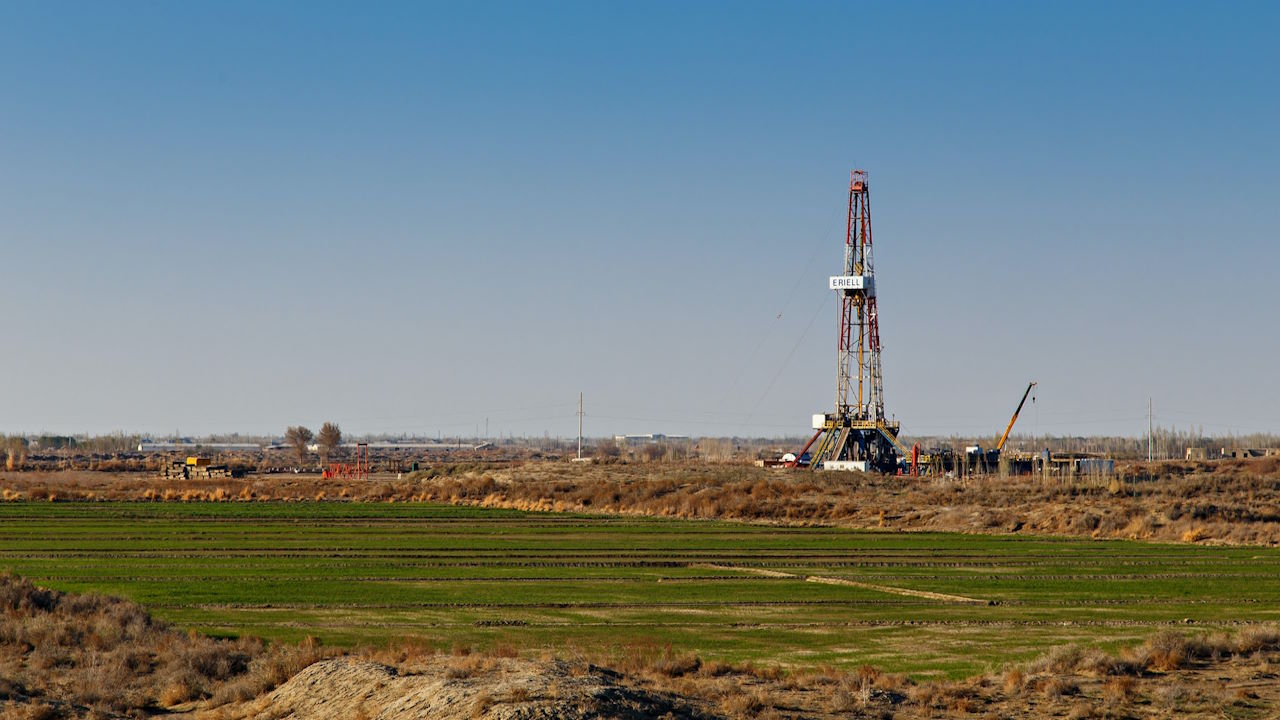
Amid these political and sporting milestones, one theme threads through almost every national conversation: Uganda’s oil journey. Throughout the campaigns, all presidential candidates articulated their visions for how oil revenues could accelerate national development. As the elders say: “where treasure lies, every farmer knows the soil.”
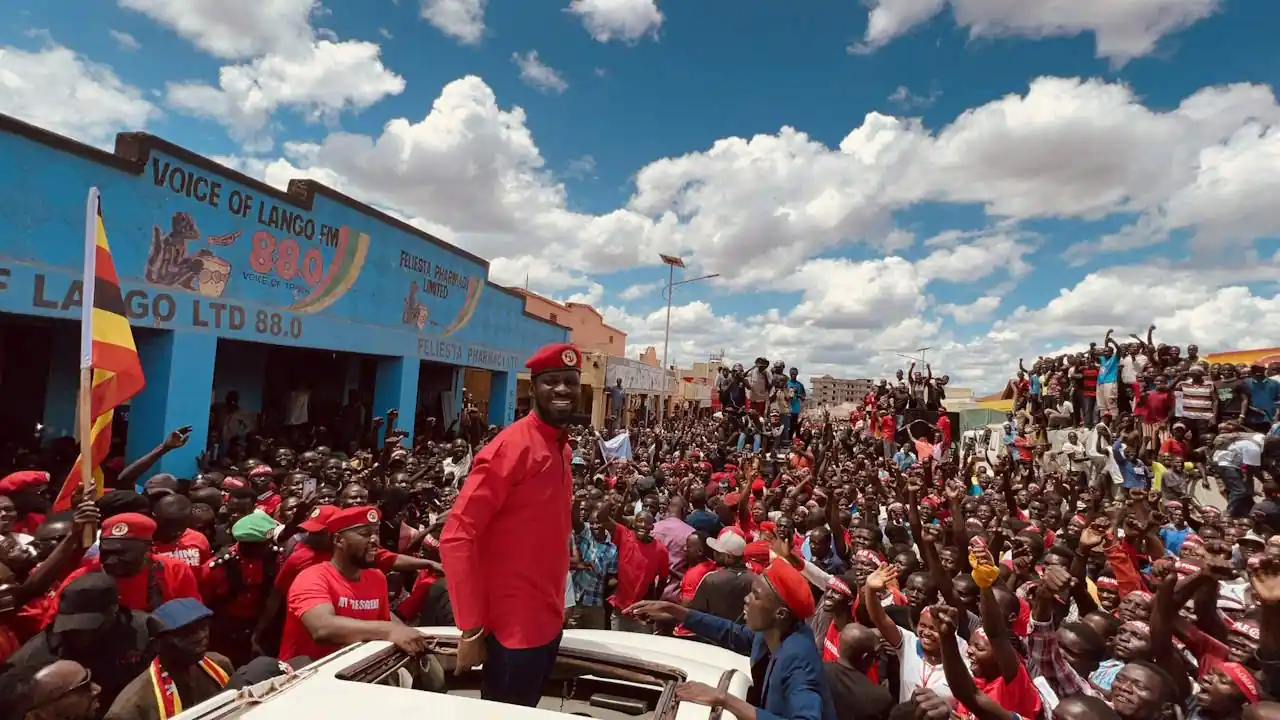
Two broad approaches emerged. The first is anchored in the long-term planning already embedded in the NRM Ten-Fold Growth Strategy, which positions oil revenues as a catalyst for Uganda’s economic development. The second, raised by National Unity Platform presidential candidate Robert Kyagulanyi, called for a review of the Production Sharing Agreements with licensed oil companies and a reassessment of royalty allocations to producing districts. He proposed increasing the share for traditional leaders and local communities from the current 1 per cent to 10 per cent.
While the latter proposals may appear attractive at face value, the broader question of development lies in sustainability. Uganda addressed many of these concerns through the Petroleum Laws enacted in 2013, which established the Petroleum Fund. Inspired by global benchmarks such as Norway’s Sovereign Wealth Fund and Saudi Arabia’s Public Investment Fund, Uganda’s model requires all oil revenues to be deposited in the Fund and managed by the Bank of Uganda. Although the Fund’s accumulation is still modest, its potential is already evident: the recently launched Hoima Stadium, which was financed entirely by the Petroleum Fund, is a tangible example of what disciplined resource management can achieve.
This model reflects a global lesson: sustainable revenue utilisation works best when it prioritises long-term productive investments over short-term redistribution. Qatar’s hosting of the 2022 FIFA World Cup is one example of this, with petroleum revenues being channelled into stadiums, hospitality and transport infrastructure, creating a lasting legacy beyond the tournament itself.
Uganda’s fiscal framework follows this philosophy. The Production Sharing Agreements and the Public Finance Management Act create a structured pathway for revenue flows, ensuring that proceeds from finite resources contribute to lasting improvements in productivity, human development, and national wellbeing. As the elders remind us: “wealth that lasts is wealth that builds.” Cash handouts may address immediate needs but rarely secure future prosperity.
Energy minister Ruth Nankabirwa’s recent tour of Uganda’s oil and gas projects — from Tanzania’s Tanga Port, where the East African Crude Oil Pipeline will terminate before Ugandan crude is shipped to international markets, to the Buliisa and Kikuube oil fields — was more than a routine inspection. It is a pre-commissioning tour ahead of first oil.
As the country looks towards this milestone, the petroleum sector is quietly but firmly guiding expectations and shaping economic planning, signalling an important new chapter in Uganda’s development.
Congratulations to H.E. the President for the emphatic victory and visionary leadership. May you live long to witness first oil as commander in chief.
The author is the Director Legal and Corporate Affairs at the Petroleum Authority of Uganda