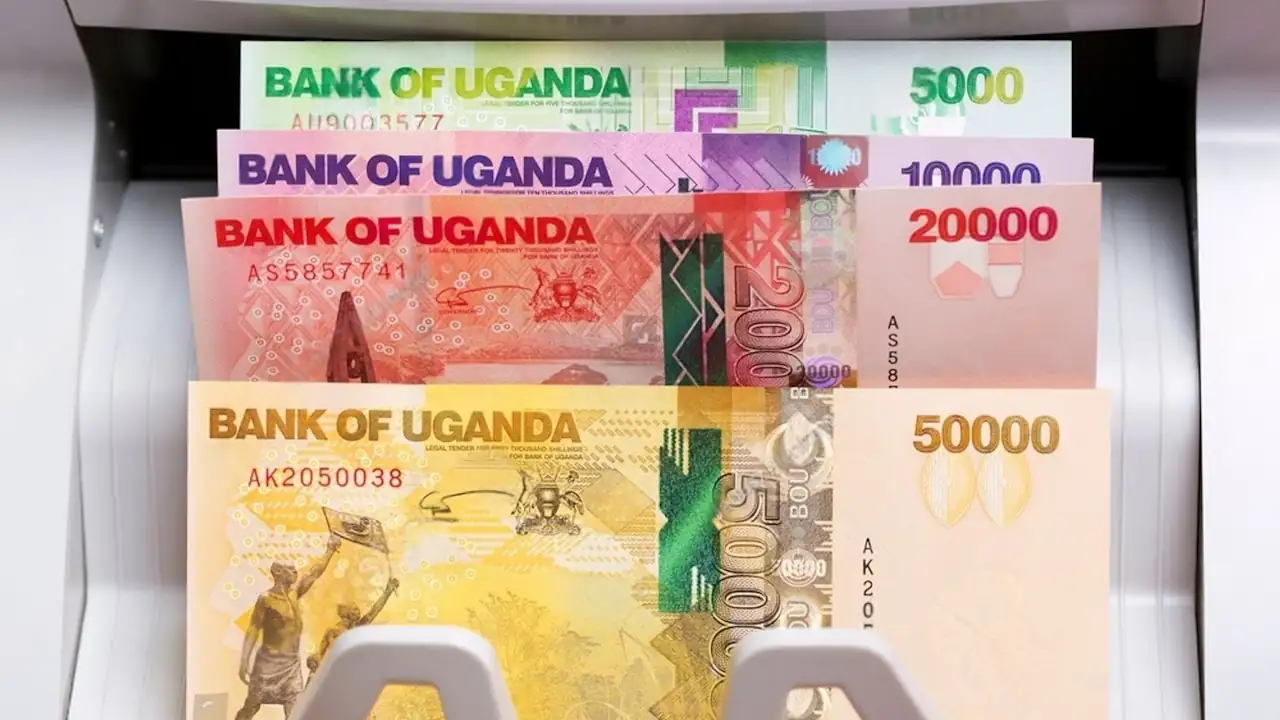

Uganda’s inflation edged higher in April, driven by a renewed pickup in energy and transport costs, even as underlying price pressures in food and core components remained contained.
Annual headline inflation rose to 3 per cent in April, up from 2.8 per cent in March, according to data from the Uganda Bureau of Statistics. On a monthly basis, prices increased by 0.6 per cent, the fastest pace since February 2025.
The uptick was led by energy, fuel and utilities, where annual inflation accelerated to 6.1 per cent from 4.1 per cent a month earlier. On a monthly basis, the category rose by 1.8 per cent, the sharpest jump since July 2023.
Fuel prices were a central driver. Petrol prices rose by 4.2 per cent in April, up from 0.8 per cent in March, while diesel increased by 8.2 per cent from 2.3 per cent. In the 12 months to April, liquid energy fuels inflation climbed to 7.7 per cent from 2.8 per cent, driven by a surge in petrol inflation to 8.7 per cent from 4.4 per cent and diesel to 10.8 per cent from 3 per cent, while kerosene rose to 7.5 per cent from 0.1 per cent.
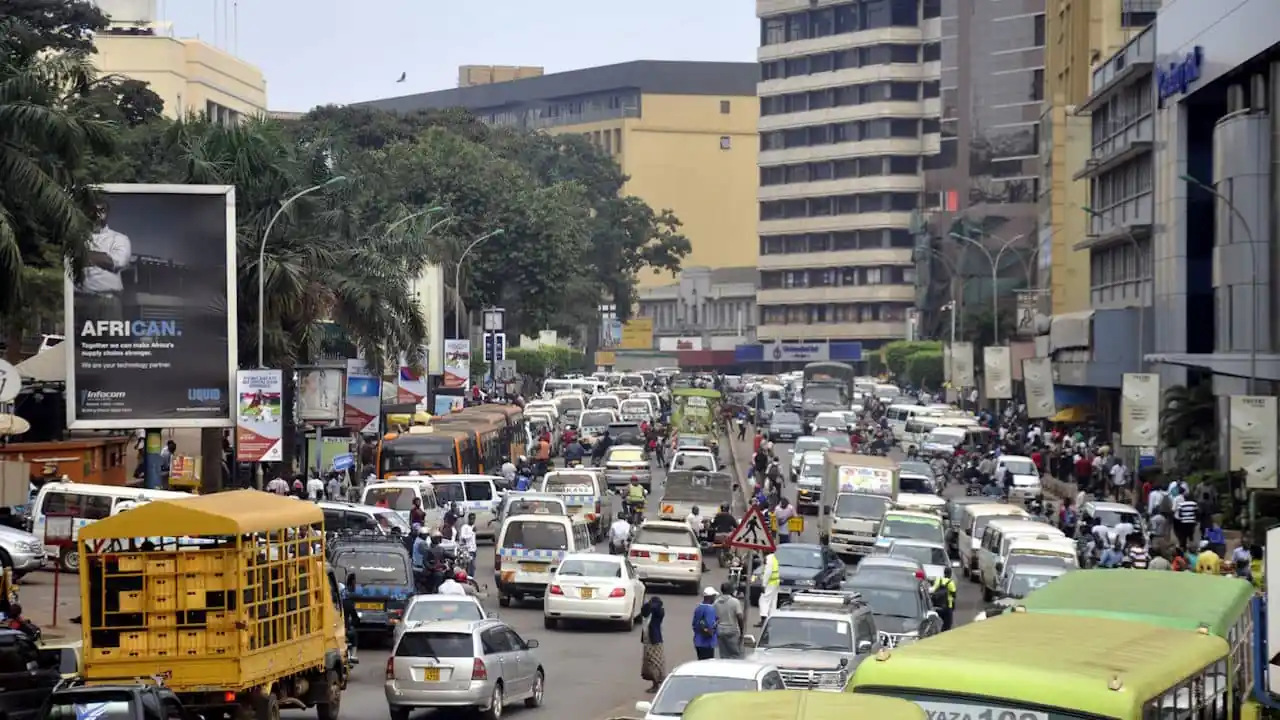
Transport costs followed a similar pattern, with monthly inflation of 1.8 per cent in April compared to 0.3 per cent the previous month, reflecting pass-through from higher pump prices. Annual transport inflation accelerated to 3.6 per cent, up from 1.6 per cent in March.
By contrast, food price pressures continued to ease. Annual inflation for food and non-alcoholic beverages slowed to 2.5 per cent, from 2.6 per cent a month earlier, while food crop inflation fell further to 0.6 per cent. Monthly food inflation rose by 1.1 per cent, but remained relatively contained.
Core inflation, which excludes food crops, energy, fuel and utilities, inched up to 3 per cent year on year from 2.9 per cent, in line with modest price movements across services, including health, education, and restaurants and accommodation.
The divergence in April’s inflation components reflects the structure of the consumption basket, as core and food components carry greater weight in the consumer basket, offsetting higher energy costs.
The April reading keeps inflation below the Bank of Uganda’s 5 per cent target and within its projected range for the year. The central bank has maintained its policy rate at 9.75 per cent since October 2024.
However, the surge in energy prices introduces a more uncertain near-term outlook. Rising global oil prices, linked in part to ongoing tensions in the Middle East, are beginning to feed into domestic fuel costs, with visible second-round effects in transport and household energy.
If sustained, these pressures could complicate the disinflation path and prompt a reassessment of monetary policy. The Bank of Uganda’s Monetary Policy Committee is scheduled to next meet on 14 May. While the current trajectory supports a broadly neutral stance, a sharper or more persistent increase in fuel-driven inflation could lead policymakers to tighten earlier than expected, including through an unscheduled move if pressures intensify.
April’s data point to a gradual shift in Uganda’s inflation dynamics. Although underlying price pressures remain contained, external cost shocks, particularly in energy, are re-emerging as the principal source of upside risk.