

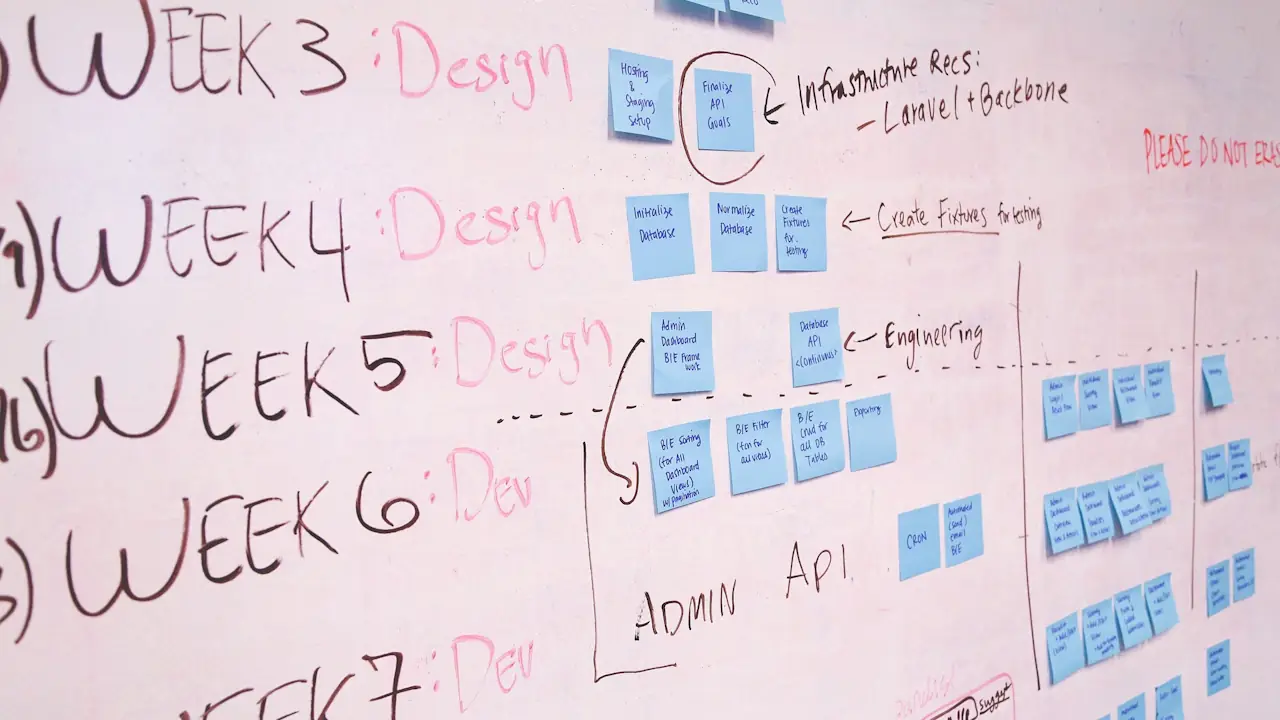
In the IT industry, large-scale projects are notorious for delays and cost overruns. In fact, more than 80 per cent of IT projects miss their deadlines and go over budget. These projects are often complex and multifaceted, involving many stakeholders and usually stretching over long periods of time. There are many reasons for these delays, but the most common are failure to involve stakeholders at every stage, lack of timely client approvals, expanding project requirements, and inadequate staffing. Failure to involve senior and middle management is also a major problem.
The success of these projects depends on careful coordination and excellent communication. This usually requires multiple project managers and programme leads, each responsible for overseeing specific aspects. It is therefore essential to assign specific managers to each client touchpoint and to ensure effective management of internal stakeholders.
An ongoing challenge is to secure client sign-off on project requirements upfront or at the start of each project phase, particularly for sensitive projects such as core banking system implementations. Obtaining this ensures a clear path forward for the project team and minimises the disruption — usually significant project delays and unwanted cost overruns — that can result from uncontrolled scope changes, otherwise known as ‘scope creep’.
The reality, however, is that scope creep is well-nigh inevitable. As the project progresses, clients often request changes or enhancements that result in a change to the originally agreed requirements. The key to managing this is to obtain client approval for both the original requirements and any subsequent changes, at additional cost to the client. In this way, both project and programme managers can effectively manage complexity and limit scope creep.
However, this requires strong leadership skills, and requires supervisors to clarify requirements, ensure that communication channels are open between all stakeholders, and obtain client approval before making any changes. This continuous feedback loop prevents misunderstandings and reduces the risk of delays and financial loss.
The importance of communication cannot be overstated. Effective communication is essential for managing both clients and internal teams. For example, project managers need to ensure that all communication with clients is formally documented, including all discussions, decisions, and approvals. Written agreements, such as emails and official documents, are important safeguards in the event of disputes over costs or timelines.
Internally, communication is equally important. Project managers should work closely with support teams — finance, infrastructure, human resources, and administration. These relationships are just as important as those with the client.
It is also essential that the project team is up to the task. Without the right talent in place, project tasks will take longer to complete, inevitably leading to delays and budget overruns. Ensuring that the project team has the necessary skills is non-negotiable.
Because of the stakes involved, it is not uncommon for disputes to arise on these projects. As a result, it is common for many customers to bypass the project managers and take their concerns directly to senior management. If senior managers are not aware of the current status of the project, they risk being caught out. It is therefore important that they remain actively involved and informed of progress – which both they and the project managers should ensure — so that they can quickly address any issues that arise.
Large IT projects are delivered on time and on budget when there is thorough planning, clear communication and robust stakeholder management. Client sign-off of all processes should be obtained as early as possible, along with control of scope creep, assembling a team with the required skills and senior management involvement. With so many complex moving parts and stakeholders, these projects require exceptional coordination, clear communication and strategic oversight.
Lydia Nabitosi Tukashaba, senior officer — project management, Uganda Development Bank Limited