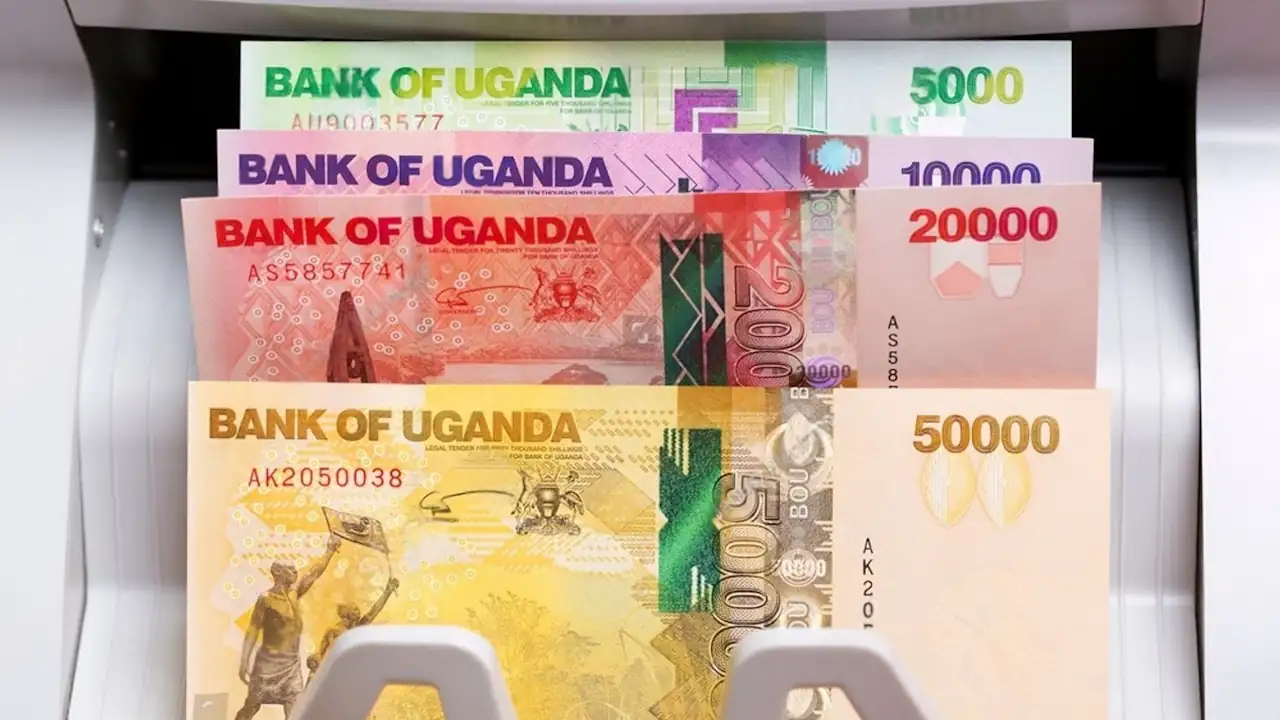

The Bank of Uganda sold foreign currency on Thursday, turning to an instrument President Yoweri Museveni had publicly urged it to avoid and the secretary to the Treasury had warned against less than a day earlier, as the shilling continued to weaken.
In a notice to commercial banks, the central bank said it was in the foreign-exchange market on the sell side. It did not disclose the amount or say whether the operation would be repeated.
The intervention followed the bank’s emergency 2.25-percentage-point rise in its policy rate to 12 per cent on 14 October. The rate rise was followed by a brief pause in the shilling’s slide, but the currency weakened again within days.
At Thursday’s close, the Bank of Uganda’s dollar mid-rate was Shs4,301.90, from Shs4,208.10 at Wednesday’s close. It had opened Thursday at Shs4,209.76. Without the size and timing of the operation, or an indication of how much demand the bank met, it’s effect cannot be measured. What’s clear, however, is that the shilling weakened sharply over the day, hitting new record lows at close.
There were indications that the bank may have intervened before Thursday. Stephen Kaboyo of Alpha Capital Partners and Richard Nsubuga, Absa Uganda’s head of trading, told Bloomberg on 15 October that BoU had sold dollars after the rate decision. Kaboyo estimated that sales may have reached $30mn. The central bank did not confirm the report.
Thursday’s operation also sits uneasily with recent public remarks by the president and Ramathan Ggoobi, the permanent secretary at the ministry of finance. Both argued against using reserves to push the shilling higher, although neither statement necessarily excludes limited sales intended to calm edgy markets.
I don’t agree with that, it’s not correct,” Museveni said of selling dollars to lower the exchange rate. He argued that a weaker shilling increased exporters’ local-currency earnings, while importers [of perfumes and “dead people’s hair”] bore the cost.
Ggoobi made a similar argument on Wednesday night in at an appearance on UBC, the public broadcaster. The finance ministry on its Twitter account said he had urged the bank not to “donate our reserves to speculators”. He praised monetary tightening and said the government had cut planned expenditure by almost Shs3tn in the second quarter.
At its press briefing following the benchmark rate hike, BoU said it did not target a specific exchange rate and that intervention was intended to reduce excessive volatility. The governor said direct foreign-exchange sales remained available if circumstances required.
BoU has framed that pressure as a balance-of-payments problem, rather than speculation alone. It said the current-account deficit widened by $1.4bn to $4.6bn in the 12 months to August. Higher oil prices, freight and insurance costs, weaker tourism receipts and lower portfolio inflows have reduced the supply of foreign exchange as importers continue to buy dollars.
Before lifting its policy rate, BoU had raised the cash reserve requirement twice this year, to 13.5 per cent. Its latest published reserve figure is $6.7bn at the end of June, equivalent to 3.7 months of import cover