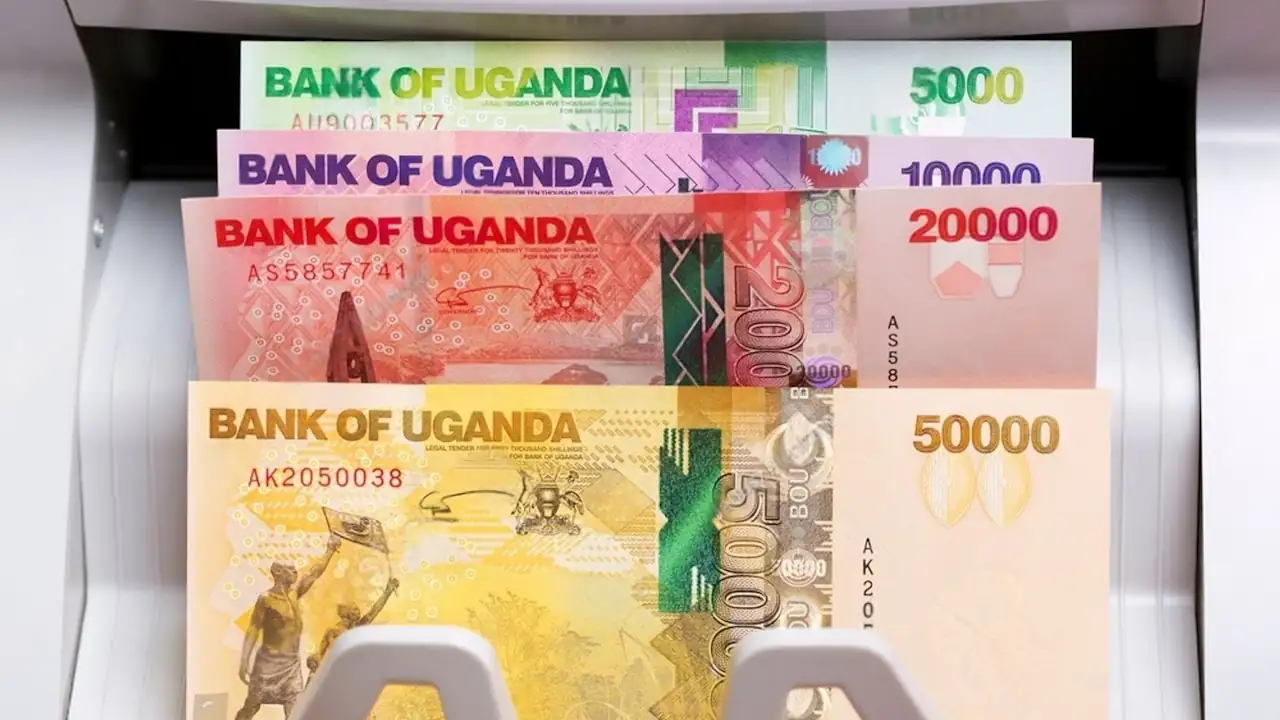

President Yoweri Museveni has rejected calls to sell dollars from Uganda’s foreign exchange reserves to prop up the shilling, saying the central bank governor had wanted to do so.
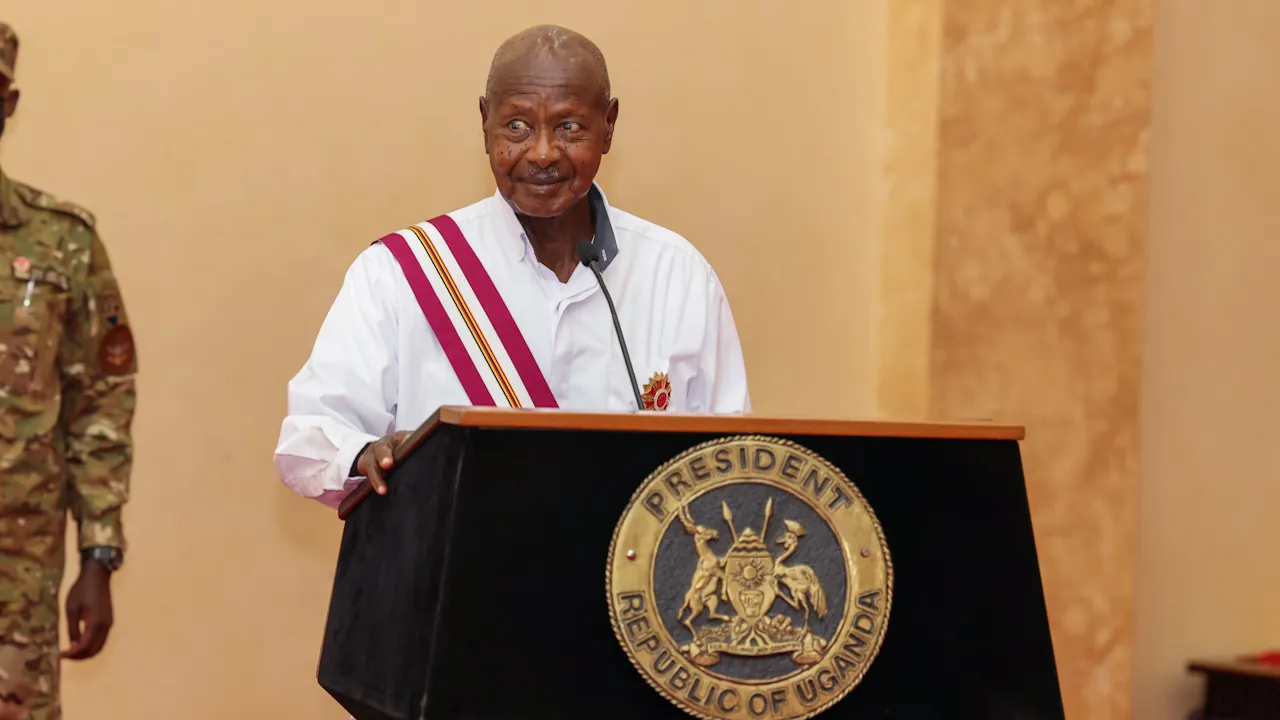
Speaking during a virtual celebration at State House, Entebbe, to mark Uganda’s 64th Independence Day on Friday, Museveni said selling reserves to bring down the price of the dollar would amount to squandering them. “I don’t agree with that, it’s not correct” he said. He told Ugandans instead to “minimise imports”.
Reuters reported on 1 October that the Bank of Uganda does not plan to intervene directly with dollar sales, and quoted Adam Mugume, its executive director for research, as calling direct sales “policy inconsistency”. The bank raised the cash reserve requirement to 13.5 per cent from 11.0 per cent, effective 24 September.
The shilling closed at Shs4,085.71 to the dollar on Thursday and has lost more than a tenth of its value this year. Museveni’s remarks are his first public response to the slide. Energy Minister Monica Musenero addressed Parliament on fuel prices on Wednesday, a day after MPs asked why reserves are not being used.
Bank of Uganda data show reserves of $6.52bn in August, down $168mn from June and equal to 3.6 months of imports, excluding oil-project goods. The August level is nearly double the level of February 2024, when reserves stood at $3.49bn.
Reserves should not be sold to people who want to import perfumes and “dead people’s hair”, Museveni said, as he urged Ugandans to buy more local food. “Buy more [of] my millet, my millet is here. Amatooke gange wegali, mugagule”, the president said.
Goods imports reached $2.31bn in August, 66.5 per cent more than a year earlier, helping push Uganda’s trade deficit to a record.
Museveni said he had shielded Ugandans from high fuel prices for some months through an agreement with the trader Vitol, struck when Uganda detached itself from Kenyan middlemen and began buying direct from refineries. He said Vitol had guaranteed low-priced oil in the expectation that the situation would settle, but the situation in the Middle East had not settled.
Petrol and diesel prices were 30.9 per cent and 42.5 per cent higher than a year earlier in September, helping push headline inflation to 4.56 per cent, the highest since June 2023.
The switch to direct buying through the Uganda National Oil Company, which began importing in July 2024, left Kenya with transit fees. Kenyan marketers had supplied about 90 per cent of Uganda’s oil and fuel before the change, the Nation reported in 2023.