
Uganda’s private sector kept growing in September, though the pace slowed as higher fuel and transport costs strained supply chains, according to the Stanbic Bank Uganda Purchasing Managers’ Index.
The index, compiled by S&P Global and sponsored by the lender Stanbic Bank, fell to 53 in September from 55 in August and 56.5 in June. A reading above 50 signals an improvement on the previous month. The index has stayed above that line since February 2025, and September’s reading was the lowest since January, when it stood at 52.6.
Output grew for a twentieth successive month. Panellists linked the gain to a larger flow of new orders and to advertising campaigns, and firms said sustained demand and interest following promotional activity boosted new sales. The rise in new orders was broad-based, while agriculture and wholesale and retail firms recorded lower output.
Costs climbed in all five monitored sectors, with firms citing higher utility, fuel and transport charges, and higher wage bills. Companies passed some of this on, raising selling prices in every sector except construction, where they fell.
Firms kept hiring, taking on both temporary and permanent staff, according to anecdotal evidence from panellists. Backlogs of work rose for a fourth month, and some firms said delayed payments slowed the processing of incoming work.
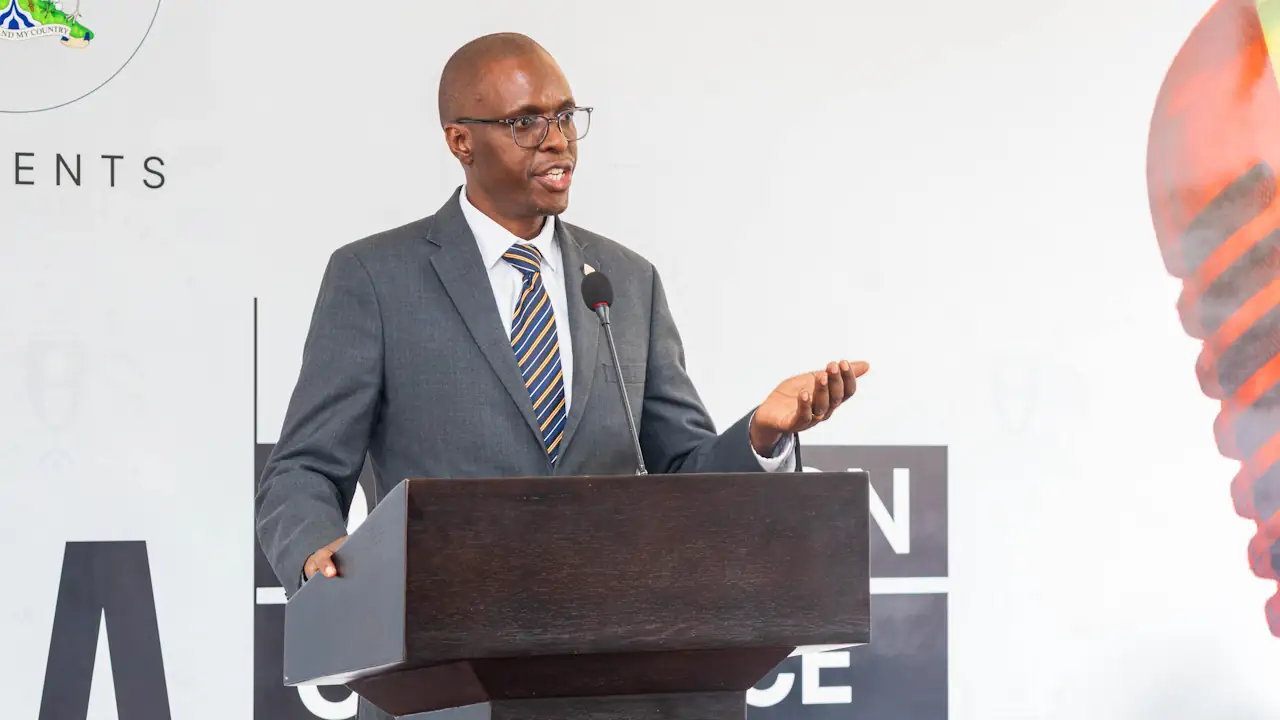
Christopher Legilisho, an economist at Stanbic Bank, said the headline reading “moderated materially relative to its six- and 12-month trends”. He said rising backlogs suggest that “firms are facing growing capacity and working capital constraints”. Employment rose in most sectors, he said, with services the exception.
Vendor performance deteriorated, with suppliers’ delivery times lengthening amid international transport delays and higher fuel costs. Firms nonetheless bought more inputs and built up stocks for a nineteenth month, expecting orders to keep growing.
Mr Legilisho said stockpiling gives firms a buffer against disruption but leaves them more exposed to high input costs. Input and purchase prices continued to rise, “partly reflecting exchange rate depreciation”, he said. “Firms’ willingness to pass higher costs through to customers suggests that demand remains sufficiently firm to support pricing power, limiting near-term pressure on profit margins but reinforcing inflationary pressures.”
Companies expect higher output over the next year, citing investment in advertising and higher product quality, and all monitored sectors were optimistic. The survey covers a panel of about 400 private companies, and the data were collected between 10 and 28 September.
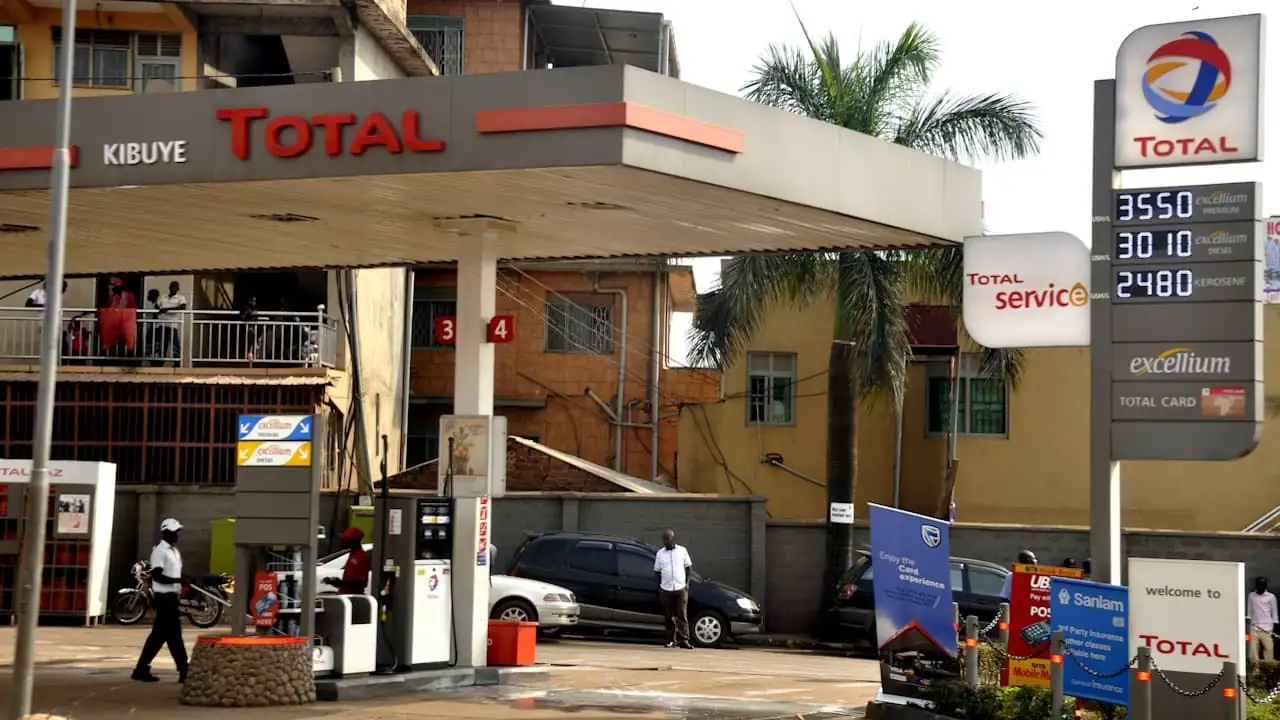
Annual inflation rose to 4.6 per cent in September from 4.1 per cent in August, the highest since June 2023, according to the Uganda Bureau of Statistics. Petrol cost 30.9 per cent more than a year earlier and diesel 42.5 per cent more, while transport inflation reached 9.8 per cent, the highest since July 2021.
Analysts at BMI, part of Fitch Group, expect the Bank of Uganda to raise its policy rate to 10 per cent from 9.75 per cent on 12 November.