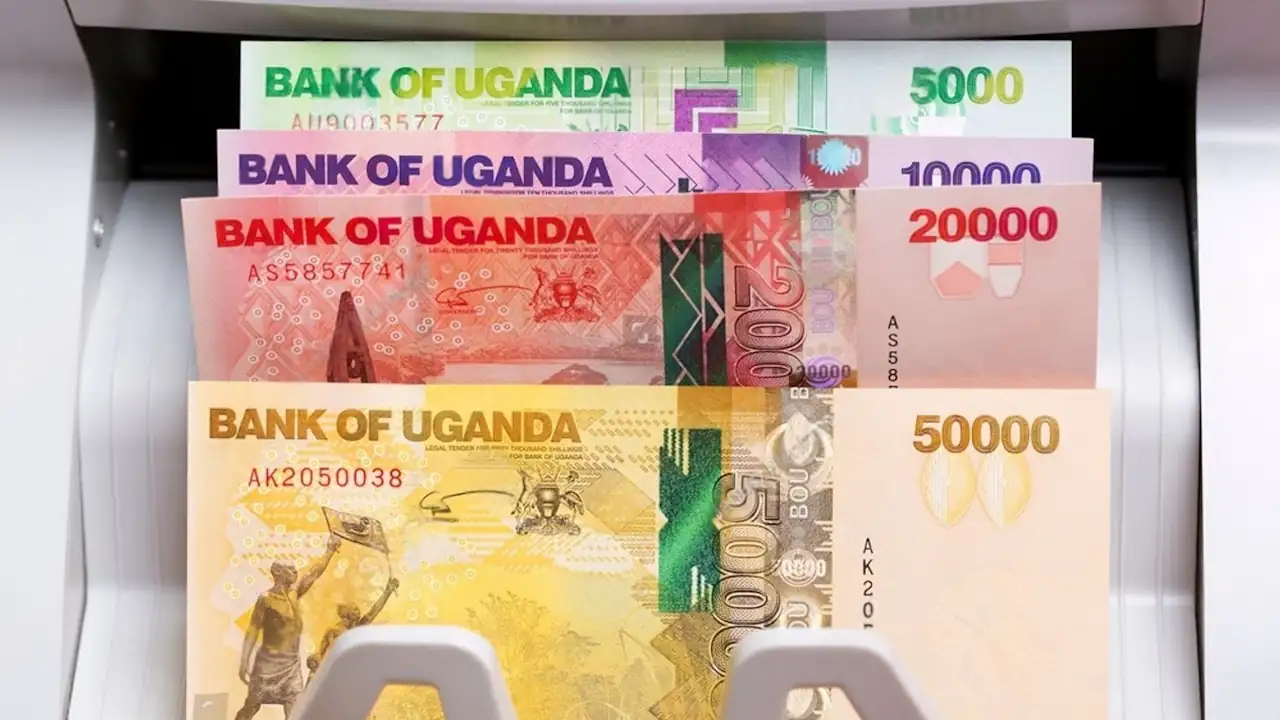
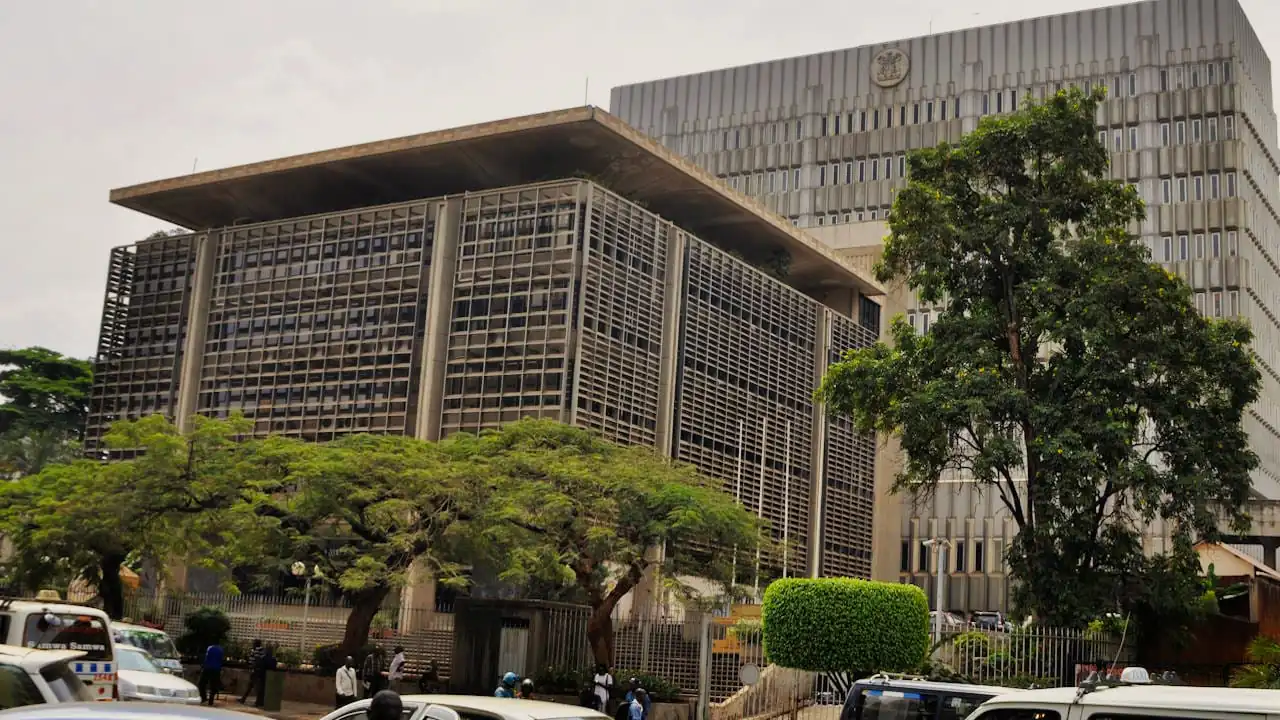

The Bank of Uganda held its benchmark policy rate at 12 per cent on Monday but widened the band around it and raised the rates at which commercial banks borrow from it, while lifting its inflation forecasts and cutting its growth forecast.
It widened the band to three percentage points either side of the rate from two, and set its rediscount rate, at which it buys Treasury bills and bonds from commercial banks, at 16 per cent and its bank rate, at which it lends to them, at 17 per cent. In October it had raised the rate to 12 per cent at a special meeting.
Adam Mugume, the bank’s executive director for research, told a press conference held after its monetary policy committee meeting that the wider band would make shillings “a little bit expensive”. A bank that wants to borrow from the central bank would do so “at a penalty”, he said, and would have to use its own liquidity.
In its statement, the bank said the wider band was warranted “to support tight shilling liquidity”, but remained silent on whether lenders would pass the cost on to borrowers. Credit is growing at about 20 per cent, Mugume said, against a bank target of 12 to 13 per cent, so slower lending would sit comfortably with its aims.
The monetary policy committee described the measures as “temporary tightening”, concluding that conditions were “tight enough notwithstanding the continuing uncertainty”. Mugume said the bank was “pausing the tightening”, apart from widening the bands.
Overnight interbank rates averaged 12.3 per cent from 15 to 30 October, according to the latest available data, up from 10.3 per cent in the first half of the month, so they moved in step with the October rise. The premium over the policy rate, about 0.3 percentage points, is well below the roughly 1 point of 2023 and 2024.
Forecasts increased mainly due to higher oil prices and a deteriorating current account deficit, which could weaken the shilling. The bank now expects core inflation, the measure tied to its medium-term target of 5 per cent, to average between 6.0 and 6.5 per cent over the next 12 months, up from the previous forecast of 5.5 to 6.0 per cent.
Headline inflation is forecast to average 7.5 to 8.0 per cent. It reached 5.8 per cent in October, when core inflation was 4.4 per cent.
Mugume said that if core inflation rose to about 7 per cent and headline inflation reached double digits, the bank would not wait for prices to fall and would act again. He added that monetary policy remained data-dependent and that “we shall really need to tighten until inflation comes back to the target”.
Moody’s, the ratings agency, expects headline inflation to peak at about 10 per cent in the first half of 2027.
The bank cut its growth forecast for the 2026/27 financial year to 5.5 to 6.0 per cent from 6.0 to 6.5 per cent, citing tighter financial conditions, the shilling’s depreciation and higher energy prices. Its own indicators suggest growth of about 5.3 per cent in the quarter to September, against 6.6 per cent reported by Ubos for the quarter to June (Ubos prefers unadjusted figures; on that measure, the economy expanded by 6.8 per cent).
Government borrowing costs were already higher, with yields at the Treasury’s 28 October auction ranging from 16.0 per cent on the two-year bond to 18.5 per cent on the 25-year; the latter yielded 16.3 per cent on 23 September. The Treasury took about Shs1.8tn, Shs400bn more than planned, according to the bank.
Interest is expected to take 28.6 per cent of government revenue in the 2026/27 financial year, up from 27.4 per cent a year earlier, according to S&P Global Ratings, which last week revised its outlook on Uganda to stable from positive.
Commercial lenders have already shown how the rise is going to affect loans. Absa Bank Uganda lifted its shilling prime rate to 21.75 per cent from 19.5 per cent on 1 November. Stanbic Bank, Uganda’s biggest lender, and Dfcu Bank also announced increases to 21.75 per cent and 22.0 per cent from 1 December.
All three increases were announced prior to Monday’s decision. Stanbic said its change followed the rise in the benchmark rate to 12 per cent from 9.75 per cent. The new rates will apply to new and existing borrowers and facilities at both Stanbic and Dfcu, in line with loan agreements.