Inflation

Explainer
What the Bank of Uganda’s rise to 12 per cent means for the shilling, fuel and loans
How the Bank of Uganda's increase in its policy rate to 12 per cent could affect the shilling, pump prices, and existing loans and savings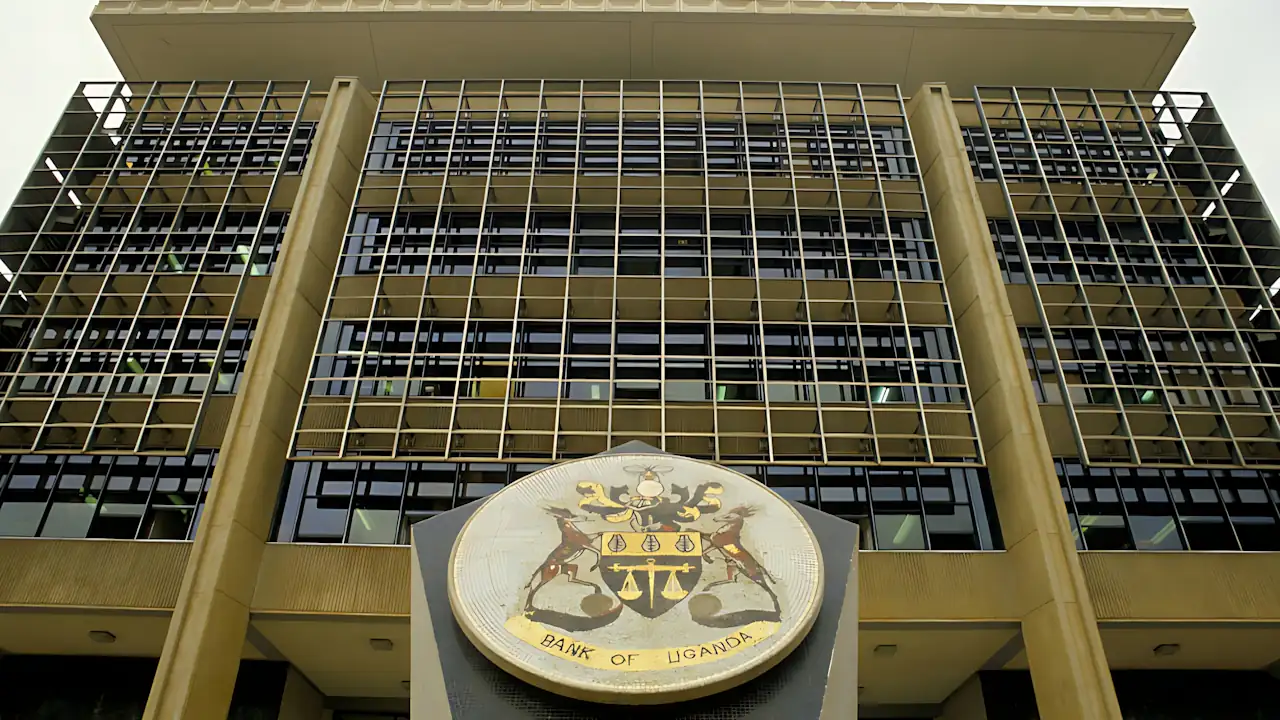
Bank of Uganda raises benchmark rate to 12 per cent at special meeting
Uganda’s central bank lifted its rate to 12 per cent, the largest increase since 2011, and raised its inflation forecasts as the shilling weakened
Foreign exchange
Shilling breaches Shs4,000 with reserves nearly double their 2024 level
Uganda's reserves are 86.6 per cent above their February 2024 level, yet the central bank says it plans no dollar sales as the shilling weakens
Food and fuel push Uganda’s inflation to its highest since 2023
Annual inflation rose to 4.6 per cent from 4.1 per cent as matooke rose 16 per cent in a month and petrol and diesel stayed 30.9 and 42.5 per cent above last year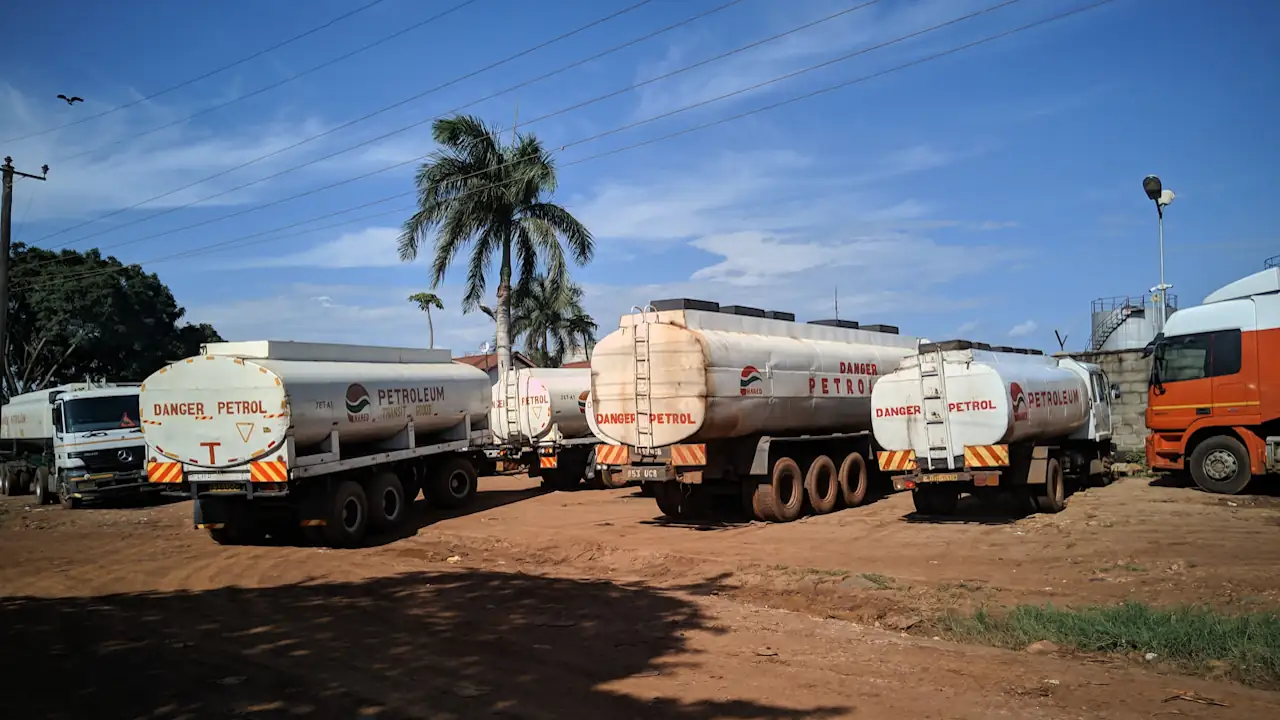
Inflation
Fuel prices push inflation higher in May
Headline inflation edged up in May as energy and transport costs climbed sharply amid higher global oil prices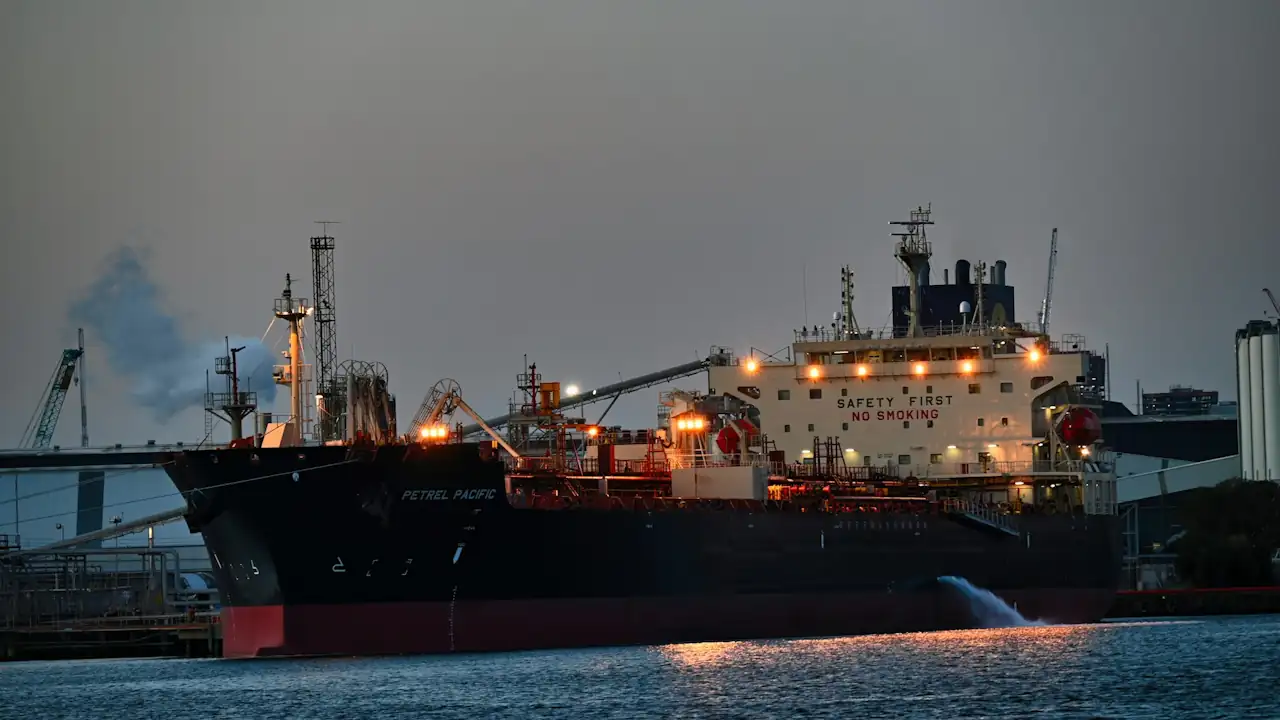
Monetary policy
Bank of Uganda’s Monetary Policy Statement for May 2026 — Full text
Monetary Policy Committee keeps rates on hold for a seventh consecutive meeting but raises its inflation outlook as fuel costs begin feeding through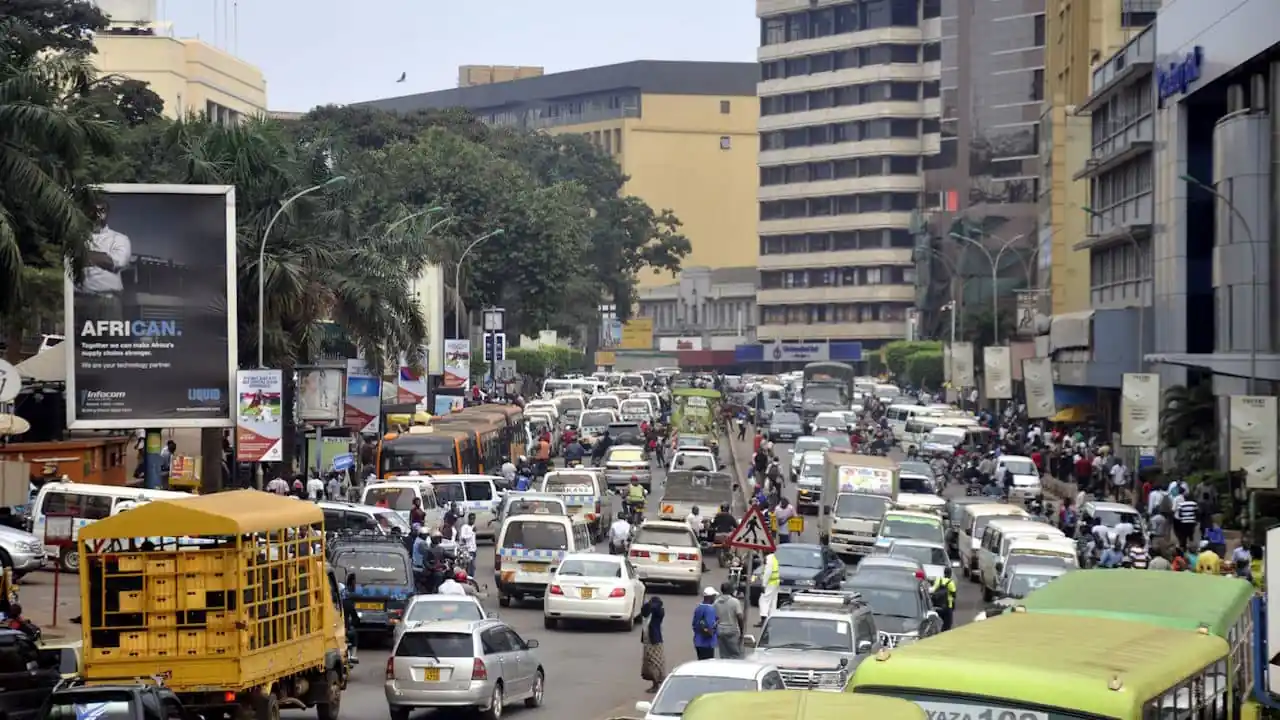
Rising energy prices push inflation higher in April
Inflation rose to 3% in April as fuel and transport costs increased, highlighting growing energy-driven price pressures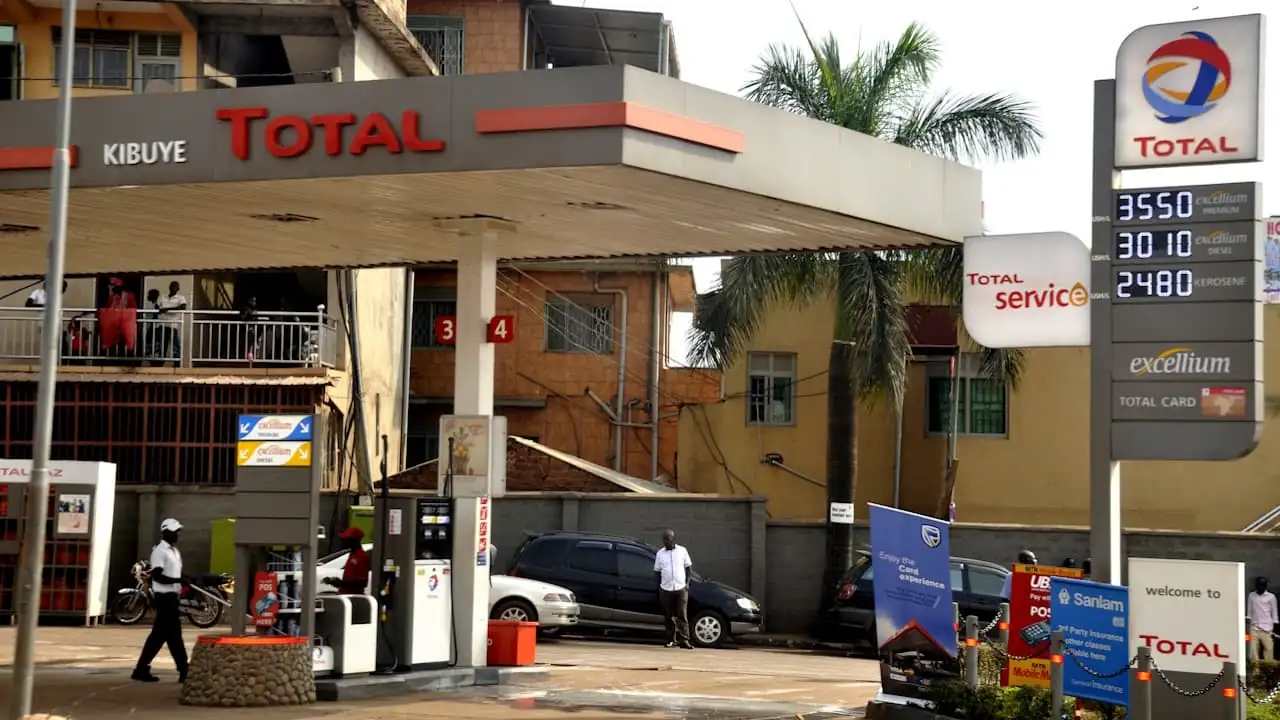
Inflation dips despite fastest rise in fuel costs in over a year
Uganda’s March inflation eased to 2.8% as core and food prices offset a sharp rise in energy costs