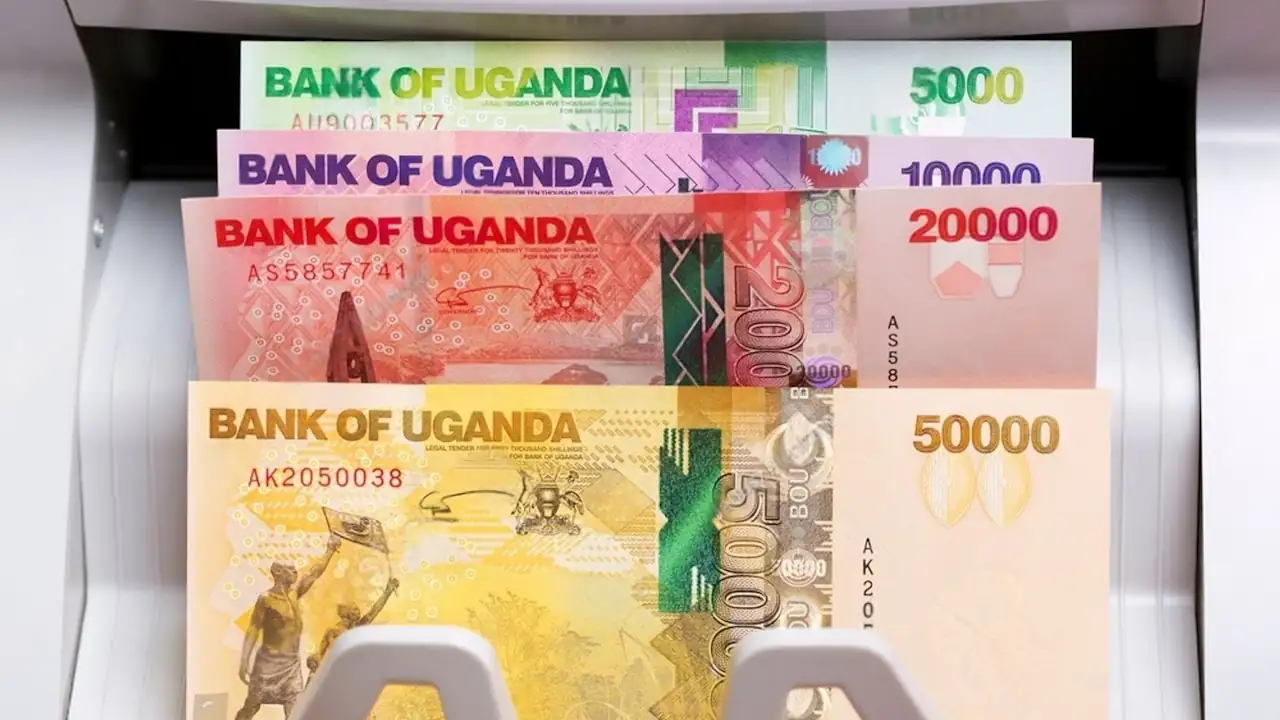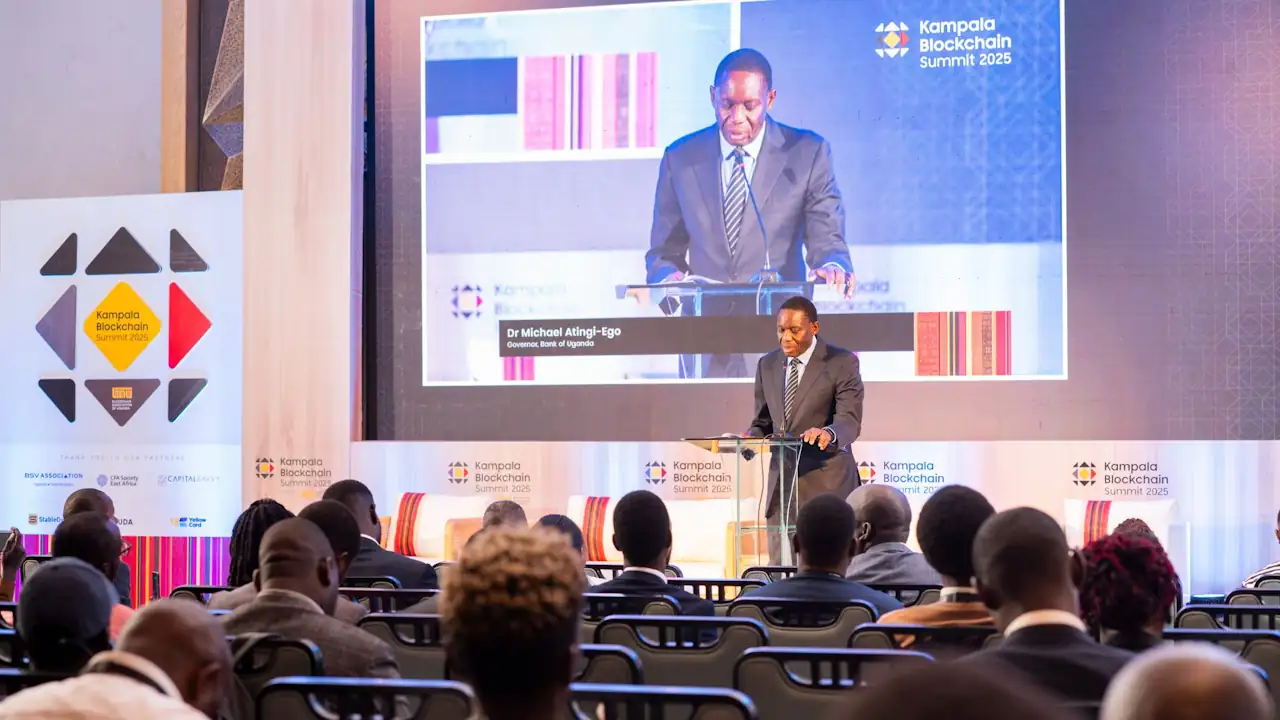

On 7 August 2024, the Bank of Uganda’s Monetary Policy Committee voted to reduce the Central Bank Rate by 25 basis points to 10 per cent.
In the twelve months to July 2024, domestic inflation continued to moderate, with annual headline and core inflation averaging 3.2 per cent and 3 per cent, respectively, below the medium-term policy target of 5 per cent. This is due to the fading impacts of global shocks like the war in Ukraine and the Covid-19 pandemic, the tightening of monetary policy earlier this year and the stabilisation of the exchange rate with an inclination towards appreciation since March 2024. The relative stability of the shilling against the US dollar has benefited from the recent CBR increases and inflows from coffee exports owing to favourable international coffee prices.
Nonetheless, both annual headline and core inflation edged up slightly to 4 per cent in July 2024 from 3.9 per cent and 3.8 per cent in June 2024, respectively. The rise in inflation was largely driven by services inflation, which increased to 6.5 per cent in July 2024 from 6.1 per cent in June 2024, due to increases in the inflation of passenger transport, accommodation, recreation, sports, and culture services.
Looking forward, the Bank of Uganda expects inflation to remain below the 5 per cent target in FY 2024/25, broadly reflecting stable demand conditions, lower imported inflation and exchange rate stability. The inflation projection has been revised slightly downwards relative to the June 2024 forecast round, largely due to a lesser depreciated shilling exchange rate. However, we expect inflation to continue rising moderately in the next four months due to seasonal factors, before stabilising at around the target of 5 per cent by the first quarter of 2025.
However, there are still some uncertainties around the inflation projection, including the potential impact of an escalation of the ongoing geopolitical tensions in the Middle East, energy price hikes, unfavourable weather patterns affecting food production, and a stronger-than-expected path for domestic demand. In addition, the signs of lingering inflation in other parts of the world and heightened volatility in both capital flows and exchange rates could result in a stronger depreciation of the shilling exchange rate and, consequently, higher inflation than currently anticipated. Conversely, the continued unwinding of the past shocks to energy and other imported goods prices may exert a moderating influence on inflation. The risks around the inflation projection are considered to be balanced.
Economic growth has recovered from the recent slowdown which had been occasioned by several external shocks. GDP growth picked up in the last two quarters of FY 2023/24, with an average year-on-year growth of 6.7 per cent compared to 5.3 per cent in the first two quarters of the financial year. The pickup in growth was evident across all sectors. There are signs that the continued recovery in real incomes and rising confidence are beginning to translate into stronger consumption, despite the tight monetary policy. Indeed, the high-frequency indicators of economic activity indicate improvement in business conditions, as shown by the sustained expansions in output and new orders. We project economic growth for FY 2024/25 to be between 6 per cent and 6.5 per cent. Over the medium term, economic growth is projected to be above 7 per cent, supported by stronger private sector investment and government intervention, especially in agriculture, and global economic growth recovery.
However, the growth outlook is not without risk. On the international front, the risk of higher commodity prices and disruption to trade flows remains, linked to developments in the Middle East and other significant geopolitical uncertainties. This could lead to weaker global economic activity and stronger inflationary pressures. Furthermore, the re-emergence of protectionist policies could exert additional pressure on the international trading system, which may in turn weigh on domestic growth through a reduction in exports of goods and services. Economic growth could also be lower if the growth in private sector credit slows further due to higher borrowing costs and increased domestic borrowing by the government. In addition, a stronger shilling depreciation could weigh down on domestic demand, given that capital and other intermediate goods account for about 75 per cent of imports.
On a positive note, more favourable weather conditions leading to good food crop harvests, higher government and private sector investment in the extractive industry, and effective government intervention programmes could boost economic activity. Furthermore, if the world economy grows more strongly than currently projected, rising net exports would boost domestic growth to a greater extent than expected. The risks to this forecast are assessed as being broadly balanced.
The MPC noted that although risks of higher inflation remain, the adverse impact from past external shocks has abated and there has been some progress in moderating the risks of inflation persistence. Therefore, it was appropriate to reduce slightly the degree of monetary policy restrictiveness. As a result, the MPC reduced the CBR by 25 basis points to 10 per cent. The bands on the CBR remain at +/-2 percentage points, and the margins on the CBR for the rediscount and bank rates at 3 and 4 percentage points, respectively. As a result, the rediscount and bank rates will be reduced to 13 per cent and 14 per cent, respectively.
Given the balance of risks, the MPC noted that a cautious easing of monetary policy is warranted to support the objectives of containing inflation around the 5 per cent policy target and economic growth to levels consistent with socio-economic transformation. Going forward, the BoU will adjust its policy stance based on incoming economic data, with a view to maintaining a low and stable inflation environment, which is necessary for sustainable economic growth.
Michael Atingi-Ego
Deputy Governor