
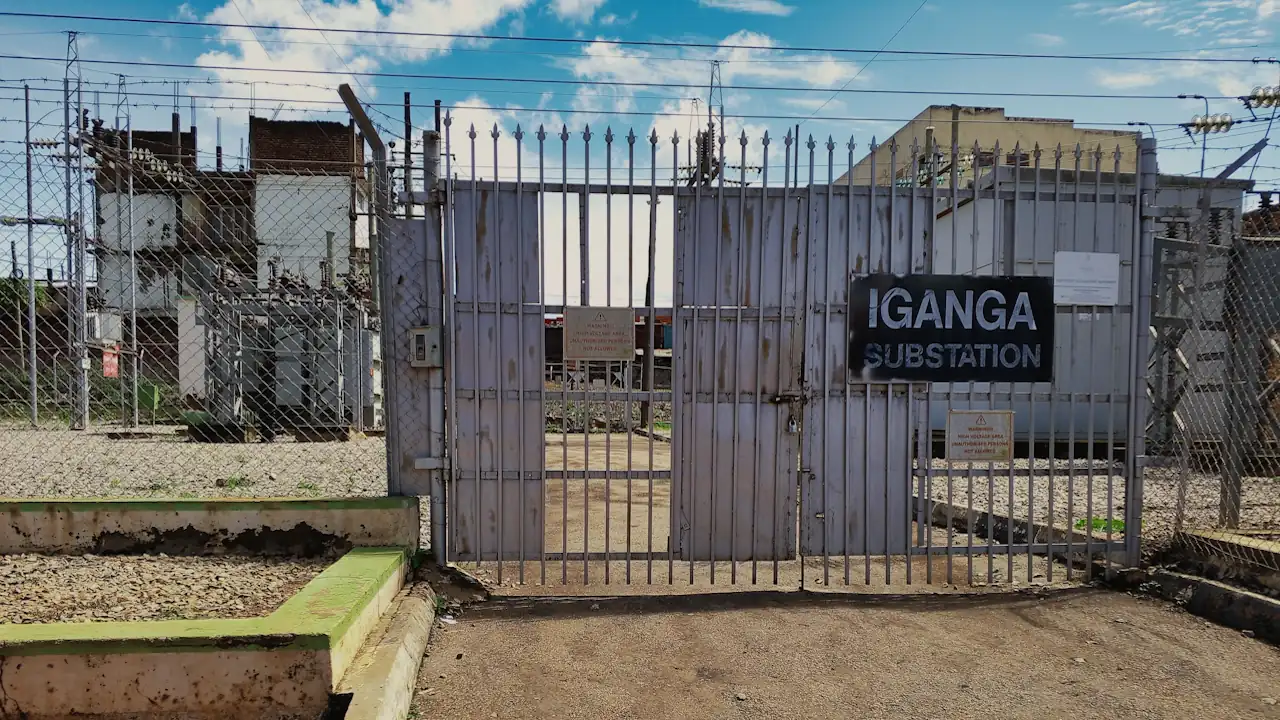
Uganda’s electricity sector is at a turning point as the 20-year concession held by Umeme Limited is coming to an end. Umeme was the first private distribution operator in Anglophone Africa. For nearly two decades, the listed company was the dominant distributor of electricity to the country’s 2.3 million customers. However, in 2022, Uganda decided not to renew the licence upon its expiry, citing high power tariffs and low electricity access rates.
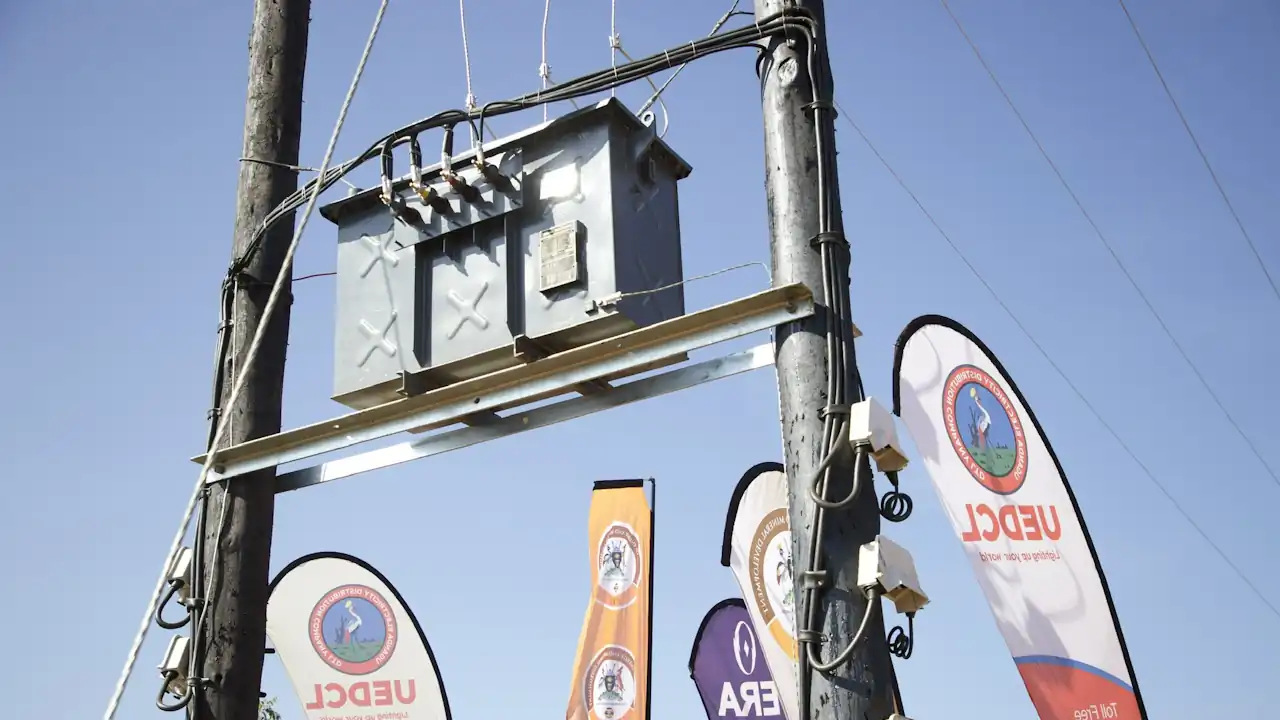
Umeme’s departure and the transfer of distribution assets back to the state-owned Uganda Electricity Distribution Company (UEDCL) has sparked controversy. The dispute centres on a $235mn compensation claim by Umeme. The final settlement could influence power tariffs, the financial sustainability of the sector, and investment requirements in the country. Peter Twesigye, who a researcher specialising in power market reform, regulation and utility performance in Africa, addresses the key issues.
The numbers behind the controversy
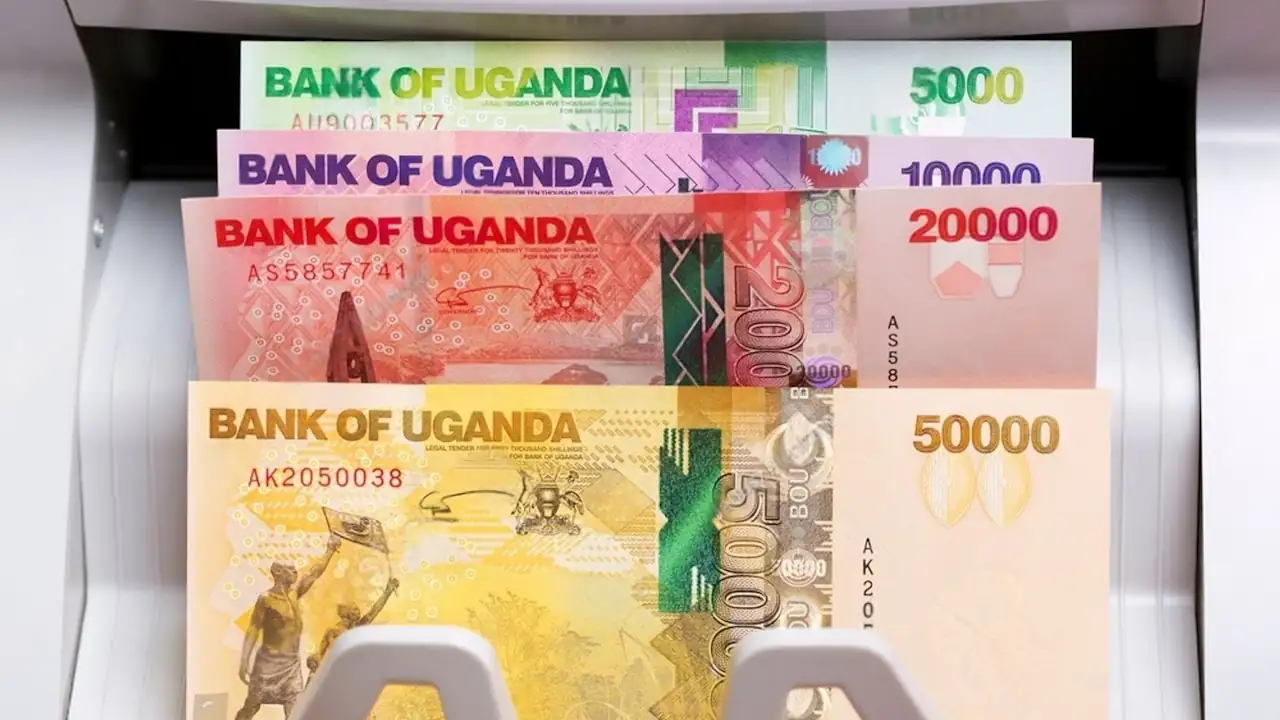
The flashpoint is the amount that the government must pay Umeme in order to take the business back into state ownership. Umeme has demanded $235.96mn. The company says this sum represents its undepreciated and unrecovered investments, which are costs that have not been recouped through electricity tariffs or government transfers.
Initially, the auditor general, representing the government, estimated unrecovered investments at $190.99mn and authorised parliament to seek loans to repay Umeme. However, this figure was revised down to $118mn, which the government has paid. The outstanding gap is more than $117mn — a difference of 50 per cent, which is considerable.
Umeme has accepted the $118mn for now, but disputes this being the final settlement. The company will claim more money, as well as penalties arising from the government’s failure to pay in full by 31 March 2025. Umeme’s board has a fiduciary duty to protect shareholders’ capital.
The buyout amount is much more than just a settlement. It will serve as the initial asset base for Uganda Electricity Distribution Company Ltd, enabling it to provide services in future. It will also influence the setting of electricity tariffs and the company’s ability to secure funding for investments to ensure continuity of service. This benefit is often misunderstood.
What’s at stake?
At the heart of this debate lies a complex interplay of legal, financial, economic and national risk exposure.
This will have significant implications for affordability and industrial competitiveness in Uganda, particularly in energy-intensive sectors. A higher asset base reflects greater invested capital, enabling sufficient revenue to cover the cost of capital, operating expenses, and depreciation. This financial strength enables the utility or sector to maintain service delivery, improve the reliability and quality of electricity, and expand the network to meet demand without relying on subsidies.
On the other hand, a lower asset base reflects under-investment. This could result in poor service delivery and restrict the company’s capacity to expand or modernise its infrastructure. Most importantly, it could deter private investors due to limited opportunities for revenue recovery. The affected sub-sectors could include electricity generation, transmission and distribution.
Uganda’s previous success in attracting investment in generation was partly due to Umeme’s presence. The utility provided robust governance, commercial guarantees and revenue collection. Following its exit, it will be more challenging for Uganda to attract private capital under public governance arrangements.
For now, the government has adopted the auditor general’s lower valuation of $118mn. Based on my analysis of the tariff model, this will result in a long-term equilibrium distribution tariff of 9.2 cents per kilowatt-hour (kWh), reflecting costs and state subsidies. This is 7.94 per cent lower than Umeme’s current tariff of 10 cents per kWh.
In the short term, it may appear to be only a small reduction in the tariff. However, it may prove unsustainable in the long term given the significant infrastructure investment required. To meet these needs, the company will require ongoing direct state subsidies, which Umeme did not receive.
It remains to be seen whether the government will be able to continue providing subsidies.
Beyond tariffs, the way in which Uganda handles this transition is important. It could send a signal to international investors regarding the country’s reliability as an investment destination. A harmonious resolution would reassure current and prospective investors.
Contentious fallout, such as arbitration or judicial proceedings, could heighten perceptions of risk among foreign investors. It could also increase the cost of capital by 582 basis points, or 15.82 per cent, above the base estimate of 10 per cent. This would stem from fears that the government might expropriate investments.
Any default by Uganda could trigger immediate punitive financial penalties. These are contractual commitments and obligations, so it is up to the arbitral tribunal to decide. If the government fails to pay in full within 30 days of 31 March, penalties and interest rates on overdue amounts will increase from 10 per cent to up to 20 per cent, depending on the length of the delay.
Failure to honour these commitments could also lead to lawsuits in international courts or debt collection efforts by ruthless venture capital firms. Such scenarios would impose even greater costs on Uganda’s economy and global reputation.
Penalties could increase Uganda’s financial obligations and put further strain on public resources.
Limited options for Uganda
The avoidable financial and legal penalties would be costly for consumers and the national treasury. Another potential impact to watch is the country’s overall investment risk profile. This could influence the future cost of capital (interest rates) and premiums that investors would charge.
It is imperative not to raise the cost of capital for Uganda, which still lacks adequate electricity infrastructure. If the dispute over the buyout price results in investors wanting a higher return for their risk, the impact on tariffs would be even worse than paying the price Umeme wants.
What Uganda should do
Addressing these challenges decisively and transparently could turn this transition into an opportunity for Uganda. The country could strengthen its energy sector and set a precedent for the effective management of public-private partnerships. The government should consider the following recommendations:
- establish a negotiation team comprising legal, financial, regulatory and energy experts, to transparently reconcile valuation differences and amicably negotiate with Umeme
- secure financing proactively to avoid penalty interest and ensure timely payment
- keep stakeholders informed, to maintain public trust and investor confidence
- equip Uganda Electricity Distribution Company to take over and prevent service disruptions
- build strong governance systems within the utility
- work in partnership with the private sector.
The choices made now will be felt for years to come.
Peter Twesigye, Research Lead: Power Market Reforms and Regulation, University of Cape Town
This article is republished from The Conversation under a Creative Commons license. Read the original article.