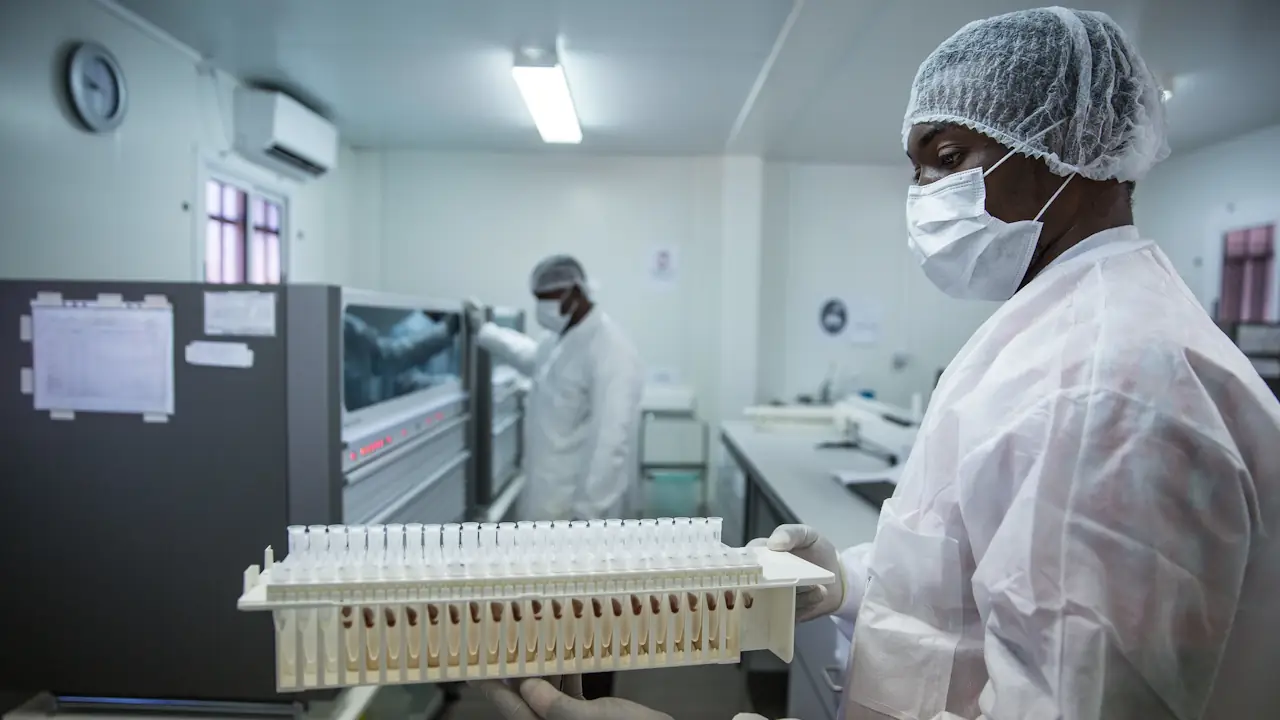


Quality Chemical Industries Limited, the pharmaceutical company, has secured a $36mn (Shs133bn) debt facility from Stanbic Bank Uganda for the construction of a second manufacturing facility, the bank announced on Wednesday.
According to a joint statement, the new facility will both enable Quality Chemicals to increase its output and to expand into new therapeutic areas, including the production of injectable medications.
Quality Chemical Industries was founded in 1997 by four Ugandans and two foreign partners. In 2005, it entered into a joint venture with the Indian pharmaceutical giant Cipla. Cipla acquired a majority stake in the drug importer and distributor in 2013, later reducing its holding from 62.3 per cent to 51.18 per cent when Cipla Quality Chemicals was listed on the Uganda Securities Exchange in 2018.
In 2023, Cipla Quality Chemical Industries Ltd announced that it had been acquired by Africa Capitalworks SSA 3, an investment vehicle based in Mauritius, from India’s Cipla Group. This made Africa Capitalworks the new majority shareholder. The company also dropped ‘Cipla’ from its name, reverting to ‘Quality Chemical Industries Ltd’.
Quality Chemical Industries primarily manufactures and sells pharmaceutical products, focusing on antiretrovirals, artemisinin-based combination therapies, and hepatitis B drugs. The company is also a distributor of other medical products and holds licences to operate in 32 countries in sub-Saharan Africa. It currently exports its products to 13 African countries and two in South East Asia.
Investing in expansion will strengthen Qcil’s position as a leader in African pharmaceutical manufacturing. This will improve access to affordable medication and help to build a more self-reliant healthcare ecosystem for the region.
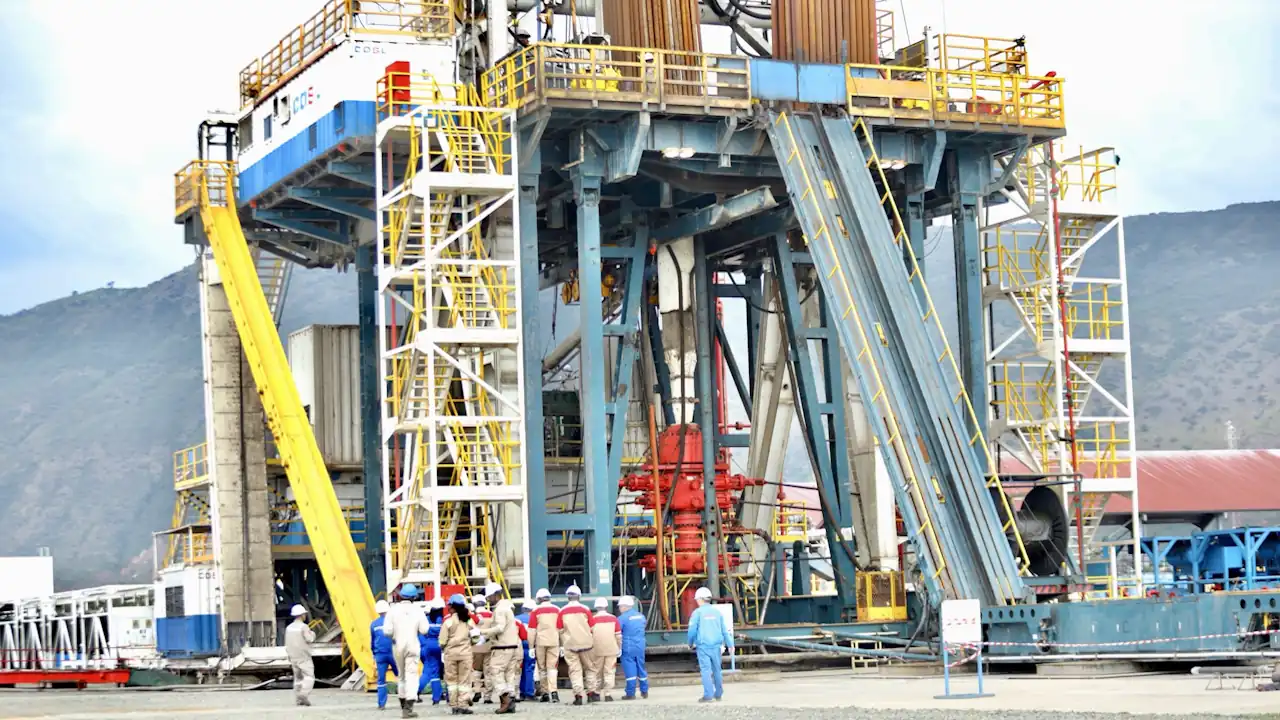
The financing, arranged by Stanbic Bank’s corporate and investment banking division, comprises a $36mn term loan to construct a second WHO-compliant pharmaceutical manufacturing plant at Qcil’s existing Luzira site.
“This investment will enable Qcil to increase its annual manufacturing capacity from 1.4 billion to 2.4 billion tablets, while introducing specialised production lines for tuberclosis treatments, injectables, and other innovative products,” said Emmanuel Katongole, Qcil’s chairman and co-founder. “We are strengthening our capacity to serve not only Uganda, but also the wider African market, by providing high-quality, affordable medicines.”
Katongole added, “Our commitment remains focused on providing sustainable healthcare solutions. With Stanbic’s support, we are positioning ourselves to meet increasing regional demand and reduce dependency on imported medicine.”
Ajay Kumar Pal, Qcil’s Chief Executive Officer, said that the factory is a significant investment in their mission to expand access to critical medicines by manufacturing in Africa for the African market. “It will enable us to introduce specialised production for TB treatment, making Qcil the only TB medicine manufacturer in the region.”
Bridging a critical gap
Despite the region’s high disease burden, local pharmaceutical production remains limited. Currently, according to the joint statement, East African manufacturers can only meet 10 per cent of the demand for antiretroviral drugs for the region’s 5 million people living with HIV and 19 per cent of the demand for malaria treatment, despite 54 million malaria cases being reported annually. The region also records over 600,000 tuberculosis cases each year, yet has no local production capacity for tuberculosis medicines.
Mumba Kalifungwa, the chief executive of Stanbic Bank Uganda, described the transaction as both bold and necessary: “This is a milestone deal—ambitious in scale, catalytic in purpose… Transactions like these demonstrate what it truly means to drive Uganda’s growth: financing what matters, for the people who matter.”