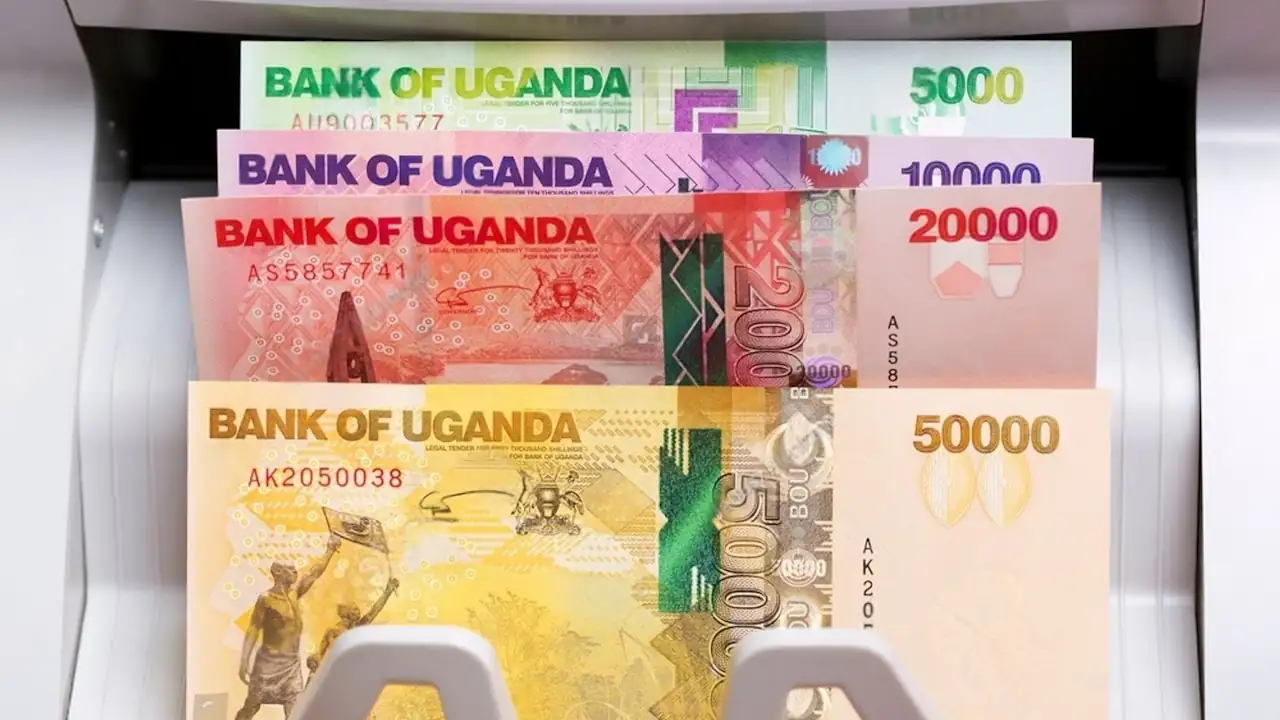

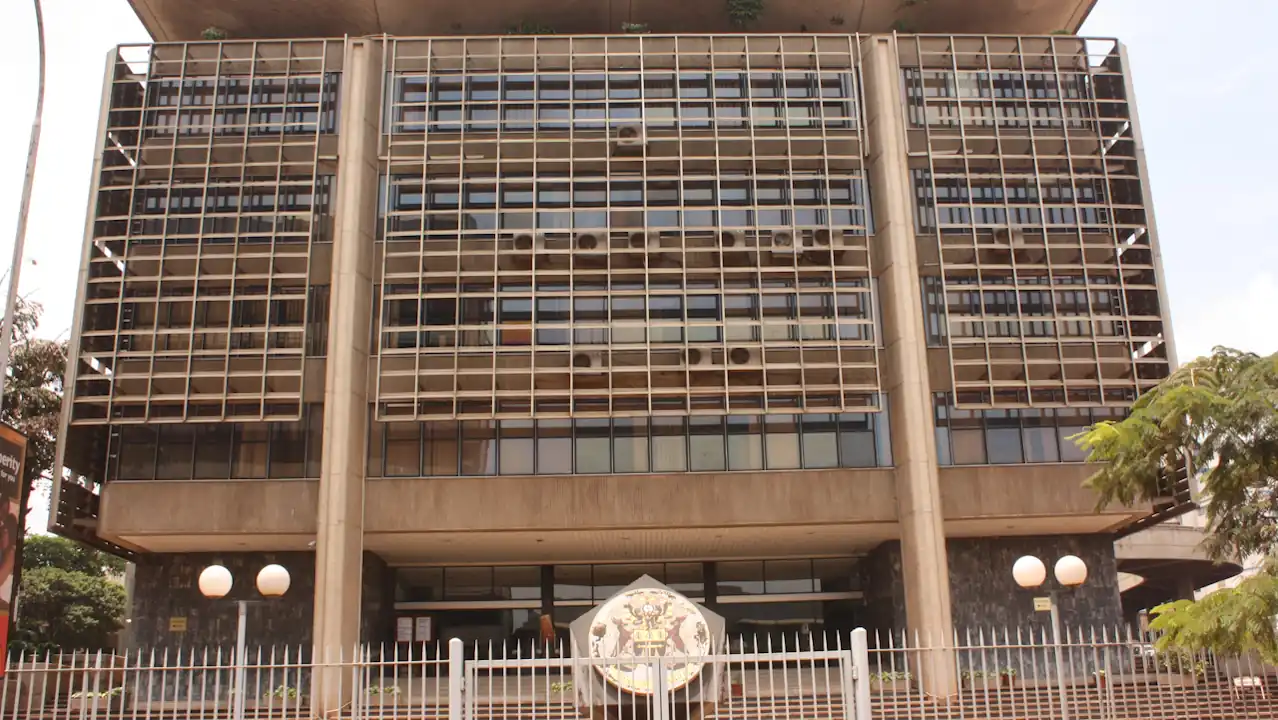
On 13 May 2025, the Bank of Uganda’s Monetary Policy Committee (MPC) maintained the Central Bank Rate (CBR) at 9.75 per cent. This decision was made in light of heightened global risks, despite the inflation outlook remaining around the target.
Over the past year, annual headline inflation averaged 3.4 per cent, while core inflation averaged 3.9 per cent, both remaining below the medium-term target of 5 per cent. This subdued inflation has been supported by prudent monetary policy, a stable exchange rate, global disinflation and favourable food and energy prices.
In April 2025, headline and core inflation increased to 3.5 per cent and 3.9 per cent respectively, up from 3.4 per cent and 3.6 per cent in March. These increases were primarily driven by higher prices for services and other goods.
The inflation outlook remains broadly in line with the February 2025 forecast. However, there are slightly lower projections in the near term due to a more stable exchange rate and falling global oil prices. Core inflation is expected to average between 4.5 per cent and 5.0 per cent in FY2025/26, converging towards the 5 per cent target over the medium term.
However, this outlook is subject to risks. The upside risks include:
- Stronger domestic demand, particularly from increased investment in the extractive sector and more effective government programme implementation
- Escalation of geopolitical tensions and new trade restrictions disrupting global supply chains
- Adverse weather conditions affecting food production
- Exchange rate depreciation due to global uncertainty and financial market volatility.
The downside risks include:
- Further appreciation of the exchange rate, supported by capital inflows, especially in oil and gas
- Weaker-than-expected demand relative to supply, both globally and domestically
- Improved agricultural output due to favourable weather conditions
- Continued declines in global commodity and energy prices
- Slower growth in major economies, easing external inflationary pressures
Although inflation remains contained, the balance of risks indicates an increased likelihood of upward pressure in the near term.
Economic activity remains resilient. Despite global uncertainties, including renewed geopolitical tensions and the new trade tariff environment, business sentiment remains positive. According to the Uganda Bureau of Statistics (UBOS), real GDP grew by an average of 6.0 per cent in the first half of FY2024/25. This is an improvement on the same period in FY2023/24, though it is slightly below the 6.6 per cent growth recorded in the second half of FY2023/24. The recovery in household spending, supported by rising real incomes, has contributed to this growth.
The growth projection for FY2024/25 remains at 6.0–6.5 per cent, with expectations of reaching 7.0 per cent in subsequent years. This outlook is supported by improved agricultural and industrial activity, increased investment — particularly in the extractive sector — and the continued implementation of government initiatives, such as the Parish Development Model (PDM).
The current pace of growth suggests that capacity limits are approaching. Further acceleration could lead to demand outstripping supply and adding to inflationary pressures.
The growth outlook is subject to risks. The downside risks include:
- Disruptions to global supply chains due to frade tensions, geoeconomic fragmentation, or changes in shipping routes
- Weaker external demand due to slower global growth and policy uncertainty
- Tighter global financial conditions could reverse the easing observed in late 2024
Upside risks include:
- Accelerated investment in the extractive sector.
- Supportive government policies and accommodative domestic financial conditions
- Positive trade negotiations, stronger tourism, and pro-growth policies in major economies.
Despite the current strong performance, the balance of risks to the growth outlook has shifted towards the downside. This reflects the potential for slowdowns among major trading partners, increased uncertainty and lower-than-expected commodity prices.
Given the current domestic and global uncertainties, as well as the elevated risks to the inflation outlook, the MPC has decided to keep the CBR at 9.75 per cent. The CBR bands remained at ±2 percentage points and the rediscount and bank rates stayed at 3 and 4 percentage points above the CBR, respectively. Consequently, the rediscount rate is 12.75 per cent and the bank rate is 13.75 per cent.
The MPC considers the current policy stance to be appropriate for maintaining inflation around the target, while supporting sustainable economic growth and socio-economic transformation. Future adjustments to the CBR will be guided by incoming data and ongoing assessments of the risks to the outlooks for inflation and growth.
Michael Atingi-Ego
Governor