
Issued by: APO Group on behalf of The Republic of Uganda – Ministry of Foreign Affairs
Uganda and Kenya have taken a significant step towards building a resilient, cross-border future by successfully concluding the inaugural Uganda-Kenya Joint Meeting on Urban Resilience.
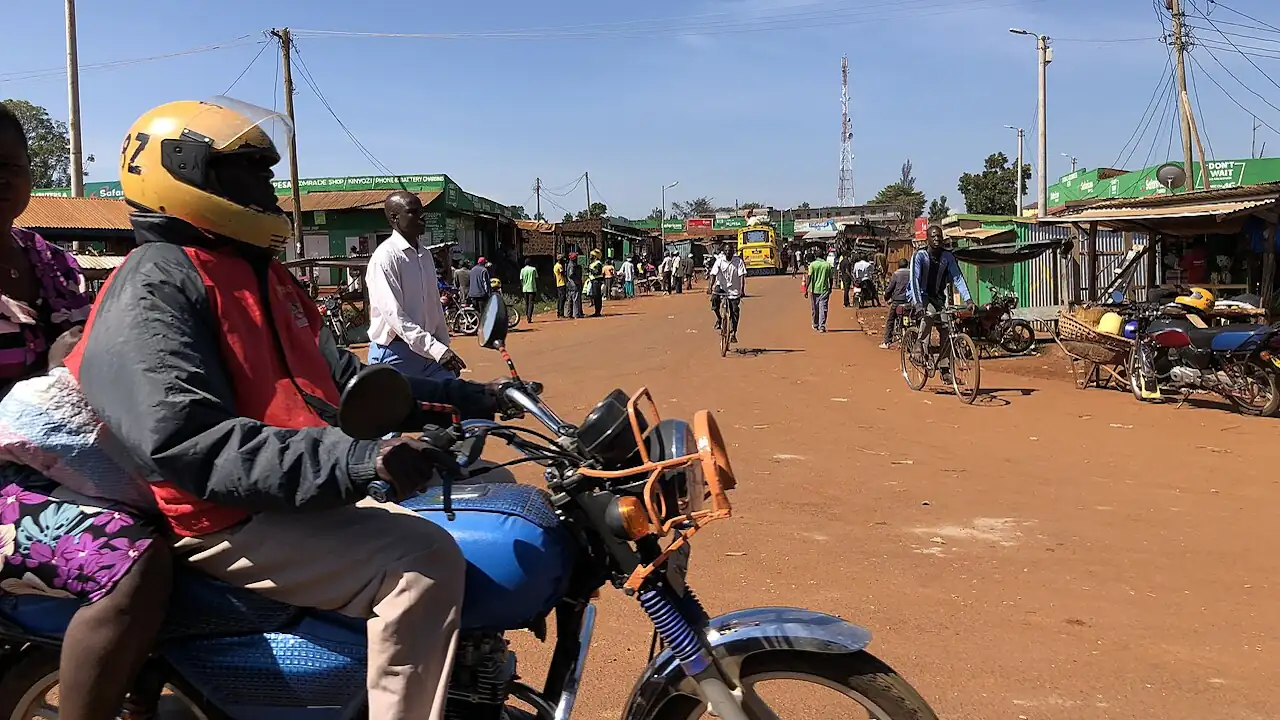
Held in Busia, Uganda, from 3–5 June 2025, the meeting brought together high-level delegations from both countries to address the shared challenges posed by climate change and urban disaster risks in Busia’s municipalities. Organised with the support of the United Nations Development Programme (UNDP) and funded by the Republic of Korea, the Kingdoms of Luxembourg and Denmark, the three-day meeting saw high-level delegations from both countries come together to discuss the shared challenges posed by climate change and urban disaster risks in both Busia municipalities.
Led by Ambassador Eunice Kigenyi, Deputy Head of Mission and Chargé d’Affaires at the Ugandan High Commission in Nairobi, and Mr Joel Wamalwa, Chief Executive Officer of the Lake Victoria North Water Works Development Agency in Kenya, the meeting marked a milestone in regional cooperation and environmental diplomacy.
The Ugandan delegation was multi-sectoral and included officials from the Ugandan High Commission in Nairobi and the Ministries of Foreign Affairs, Works and Transport, Local Government, Water and Environment, and Health. The Busia municipality was also represented by its leadership, including the Resident District Commissioner (RDC), Member of Parliament, Mayor, Town Clerk, Speaker, and staff.
The Kenyan delegation included officials from the Ministries of Water, the Interior, and Foreign and Diaspora Affairs, demonstrating the country’s commitment to this issue across multiple ministries.
In his opening address, Mr Fenard M. Katunda, Town Clerk of Busia Municipality in Uganda, emphasised the region’s growing susceptibility to climate-related disasters. He cited rapid urbanisation, deforestation and encroachment on wetlands as key factors contributing to frequent flooding and damage to infrastructure. These issues are further exacerbated by inadequate storm water systems, poor waste management and limited public awareness.
Mr Katunda emphasised the need to harmonise cross-border policies and strengthen institutional coordination in order to protect lives, livelihoods and ecosystems.
Key challenges at the heart of the agenda
The bilateral session brought to light a range of pressing concerns affecting both municipalities. For instance:
- Frequent flooding due to overwhelmed drainage systems;
- Environmental degradation, including deforestation and wetland loss;
- Public health risks from waterborne diseases such as cholera and typhoid;
- Economic disruptions impacting cross-border trade and infrastructure;
- Inadequate early warning systems and limited disaster preparedness were also identified;
- Weak enforcement of existing environmental regulations.
A unified vision of action
Reiterating the need for collaborative efforts, His Worship Mr Amin Sadik Agele, Mayor of Busia Municipality, urged the establishment of joint frameworks for flood management and climate adaptation, emphasising that “the challenges we face transcend borders. Our response must be as unified as the threats are shared”.
Mr Kisuyi Abdul Nasser, assistant resident district commissioner, echoed this sentiment, advocating for the development of joint standard operating procedures and a regional action plan grounded in community involvement.
Diplomacy driving solutions
Ambassador Kigenyi praised both the bilateral engagement and Kenya’s mobilisation of a multidisciplinary team. She noted that Uganda’s delegation included representatives from the Ministries of Foreign Affairs, Local Government, Health, Environment and Transport, demonstrating the country’s comprehensive approach. She also emphasised that past efforts were often hindered by fragmentation and funding shortfalls.
She stated that this joint platform, supported by partners such as the United Nations Development Programme, offers a renewed path towards resilience. Ambassador Kigenyi further emphasised the importance of leveraging frameworks such as the Uganda-Kenya Joint Ministerial Commission.
The leader of the Kenyan delegation, Mr Wamalwa, expressed his appreciation for Ugandan hospitality and reinforced Kenya’s commitment to ensuring that the Busia region has a resilient and sustainable urban future.
Mr Ian King, the UNDP Deputy Resident Representative for Uganda, thanked the Republic of Luxembourg and Denmark for their support. He said that project support had resulted from discussions with the minister of state for foreign affairs in charge of regional affairs, Hon. John Mulimba.
Way forward
The session concluded with a strong mutual commitment to the following:
- developing a comprehensive cross-border resilience strategy;
- establishing harmonised urban planning and environmental policies; and
- pursuing technical and financial partnerships to support the implementation of resilience-building projects across the region.
Both delegations also agreed to formalise their bilateral engagement, establishing an annual platform to review progress, share best practice, and reinforce collaboration on climate adaptation and urban disaster risk reduction in the Busia municipalities.