
China’s President Xi Jinping has pledged to extend zero-tariff treatment to Uganda and 52 other African nations, in a move aimed at boosting Sino-African trade by eliminating duties on all tariff lines for their goods.
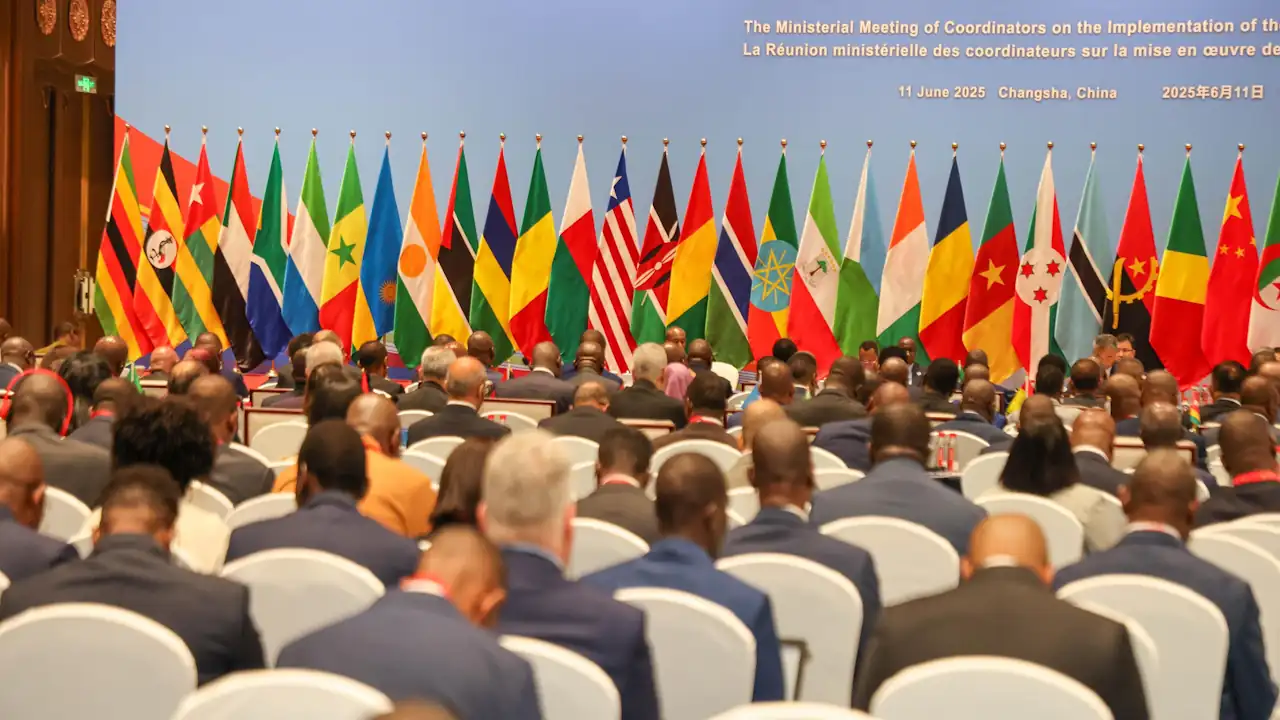
Speaking at the Ministerial Meeting of Coordinators on the Implementation of Follow-Up Actions of the Forum on China-Africa Cooperation (FOCAC) in Changsha on Tuesday, foreign minister Wang Yi conveyed President Xi’s commitment to strengthening economic ties. President Xi emphasised China’s collaboration with Africa on ten partnership initiatives, presenting these as the basis for modernisation and the establishment of a lasting China-Africa alliance in the new era.
Since its inception in 2000, FOCAC has been the primary platform for promoting relations between China and Africa.
This year’s summit drew high-level representation from 53 African nations, including Uganda’s foreign affairs minister, Gen. Jeje Odongo.
In his opening remarks, Mr Wang Yi set out five key proposals to strengthen cooperation between China and Africa: building solidarity within the Global South; promoting international free trade; ensuring mutual economic benefits through developmental collaboration; advocating for a fairer global order; and encouraging cultural exchange to celebrate civilisational diversity.
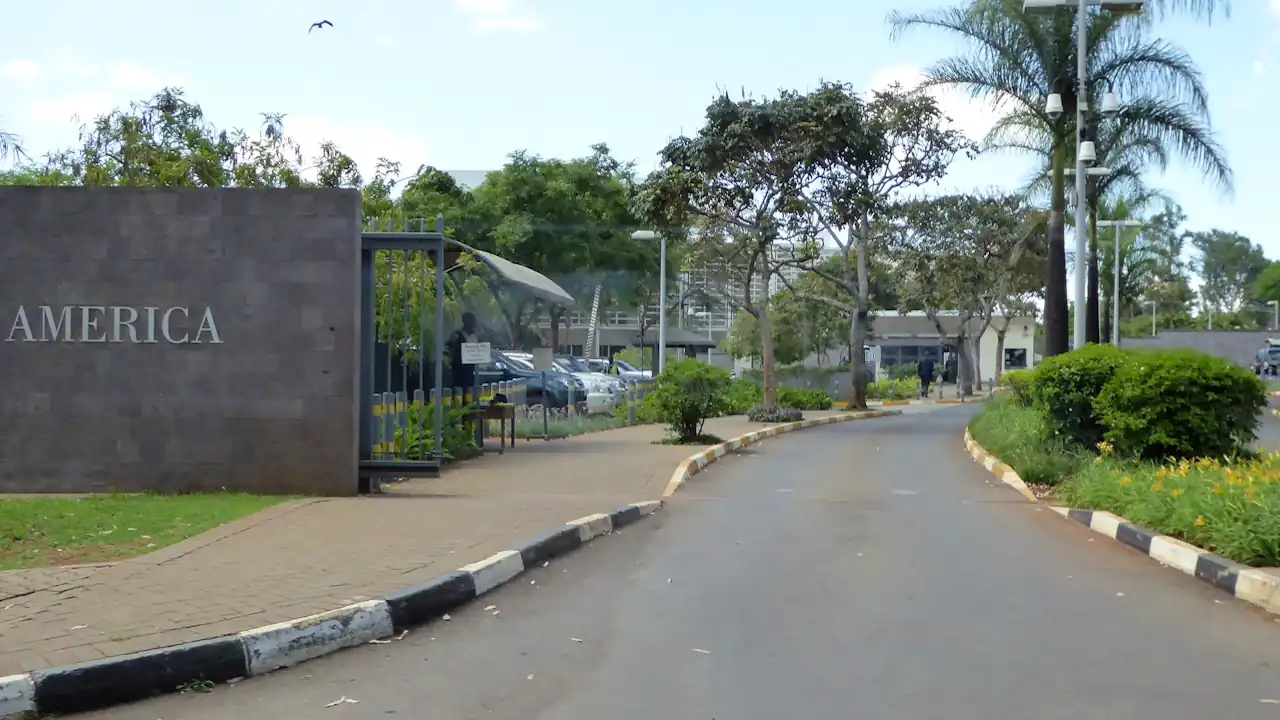
The timing of the summit coincides with China’s growing influence in Africa and beyond, at a time when the U.S. is scaling back its diplomatic presence. The Trump administration has announced plans to close or consolidate almost 30 embassies and consulates worldwide, many of which are in Africa.
In April, the White House imposed new tariffs on around 20 African countries as part of its ‘Liberation Day’ trade restructuring programme. It also expanded travel restrictions to seven countries: Eritrea, Libya, Somalia, Sudan, Chad, the Republic of the Congo and Equatorial Guinea.
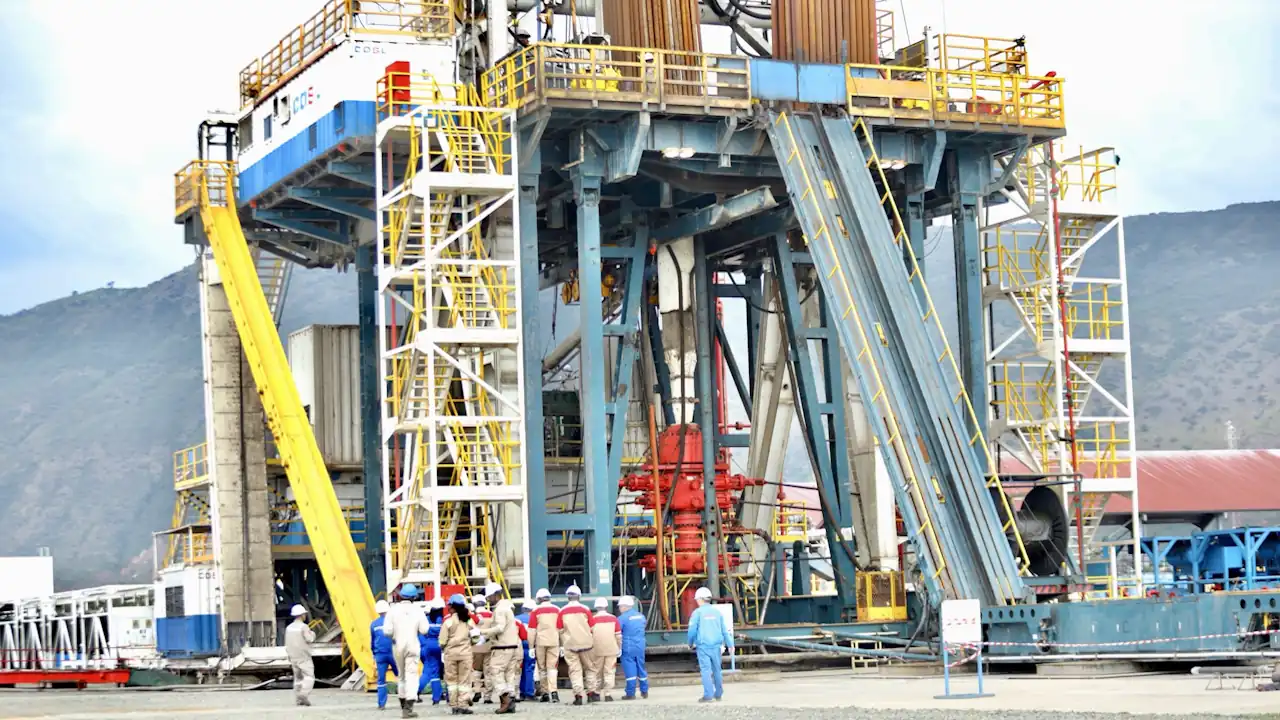
During his presentation at the FOCAC meeting, Gen. Odongo praised Beijing for supporting major infrastructure projects in Uganda, including the Kampala-Entebbe Expressway and the Karuma and Isimba hydropower dams.
He also outlined the government’s strategy for growing the economy to $500bn, focusing on the development of agro-industry, tourism, minerals, oil and gas, and the knowledge economy.