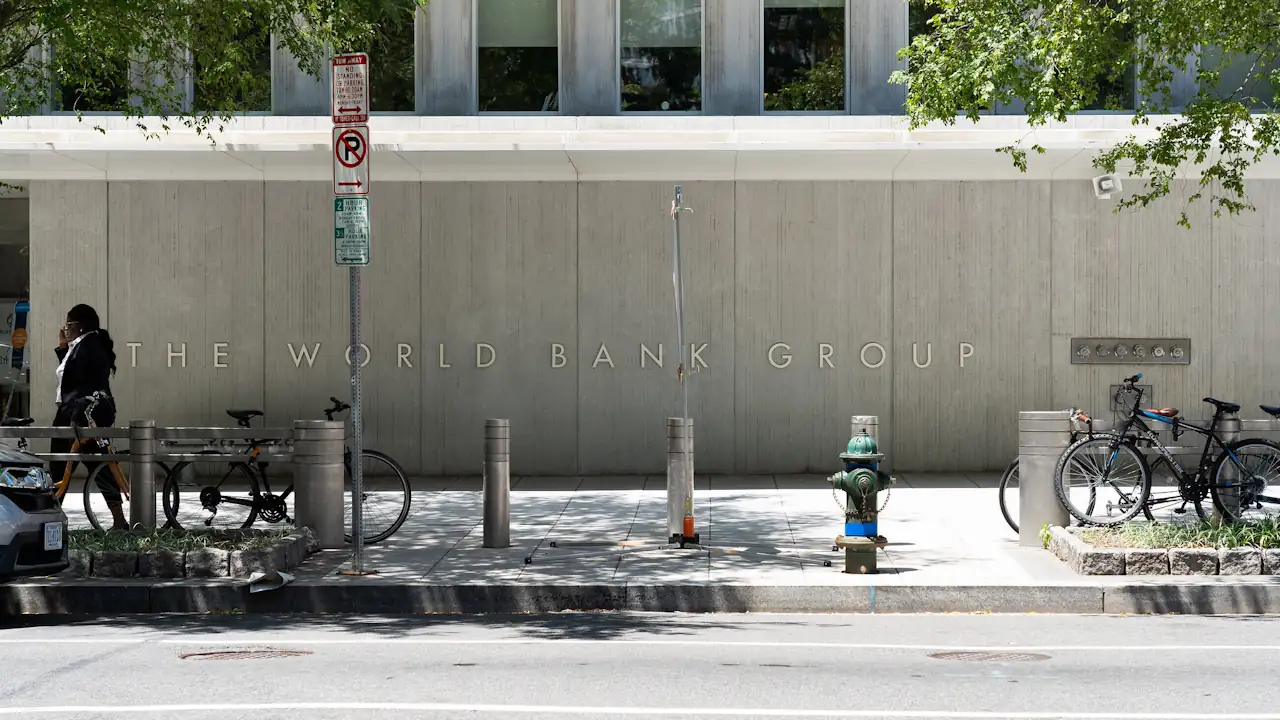
Sub-Saharan Africa is one of two regions expected to strengthen their economies this year, despite the fact that that most of the world is set to experience its slowest pace of growth since 2008 outside an outright global recession, the World Bank said Tuesday.
The Bank cut growth forecasts for almost 70 per cent of all economies, citing “heightened trade tensions and policy uncertainty”. In its latest Global Economic Prospects report, it said that global growth is projected to slow to 2.3 per cent in 2025, which is nearly half a percentage point lower than the rate projected at the start of the year, and the weakest performance in 17 years.
However, it noted that it does not expect a global recession, but added that “if forecasts for the next two years materialise, average global growth in the first seven years of the 2020s will be the slowest of any decade since the 1960s”.
The Bank said that growth in sub-Saharan Africa is projected to rise to 3.7 per cent this year, and to an average of 4.2 per cent in 2026-27, “assuming the external environment does not deteriorate further, inflation declines as expected, and regional conflicts subside.”
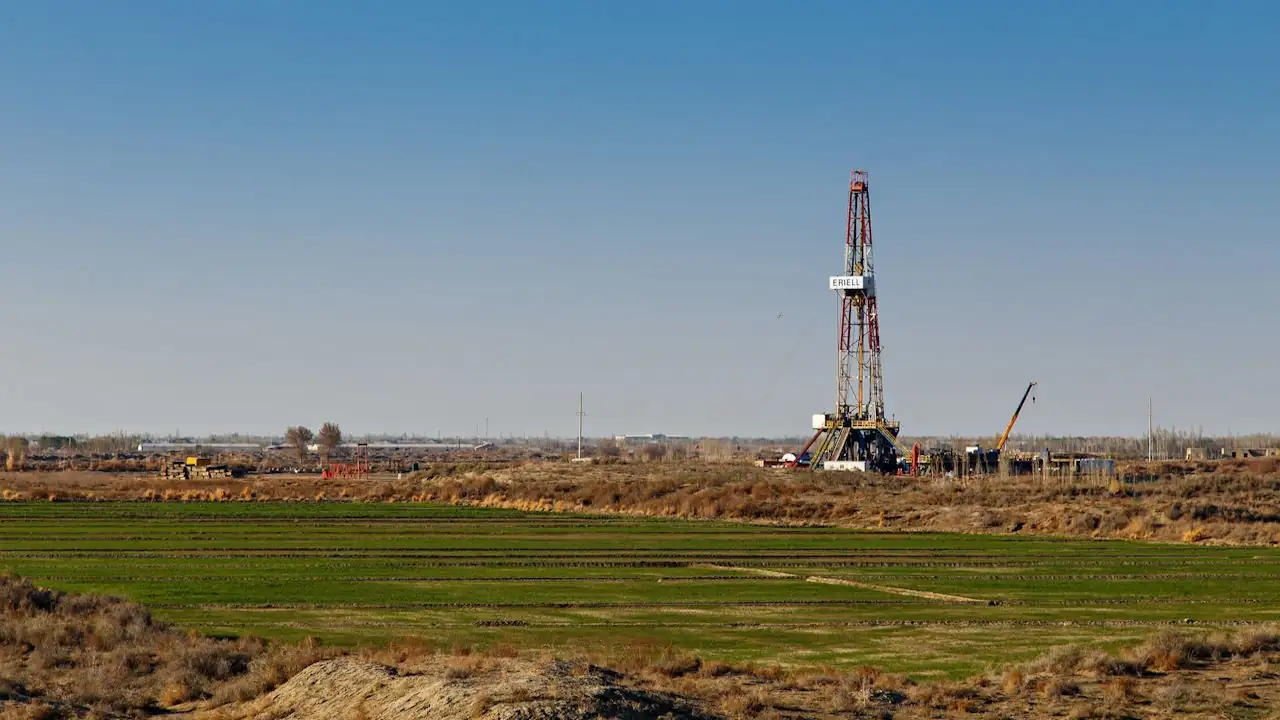
The only other region expected to see growth pick up is the Middle East and North Africa, which is forecast to growth by 2.7 per cent in 2025, strengthening further to 3.7 per cent in 2026 and 4.1 percent in 2027. ‘This primarily reflects a gradual expansion of oil production, which more than offsets the effects of lower oil prices and constraints on export activity arising from rising trade barriers,’ the Bank said. ‘Growth forecasts are lower than those projected in January, mainly due to the impact of increased trade restrictions and uncertainty on investment and export activity.’
The Bank said it projects growth will slow in almost 60 per cent of developing economies this year, with an average growth rate of 3.8 per cent, rising slightly to 3.9 per cent in both 2016 and 2017 — lower than the average growth rate of the 2010s. The report blamed tariff increases — a policy wholly embraced by the current United States government — and tight labour markets for exerting upward pressure on global inflation and keeping it above pre-pandemic levels.
Despite its favourable growth outlook, sub-Saharan Africa has not been exempt from the trade barriers favoured by the current US president. The Bank said that its projected growth remains below its long-term average and is insufficient to combat extreme poverty in the region.
It added: “Growth forecasts have been revised downward by 0.4 percentage point for 2025 and 0.2 percentage point for 2026. The regional outlook has deteriorated following worsening global conditions amid the rise in trade barriers, heightened policy uncertainty, and weakening confidence. The outlook for SSA is also affected by global spillovers from these shocks, primarily through lower global commodity demand.”
The region also faces numerous risks to its outlook. These include underperforming global growth, most likely due to heightened uncertainty and potential adverse trade policy changes, as well as an unexpected slowdown in China, which could escalate global geopolitical tensions. The war in Sudan could push up prices in neighbouring countries, while adverse weather could exacerbate poverty in the region.