Remarks by Michael Atingi-Ego, Governor of the Bank of Uganda, delivered at the Sheraton Kampala Hotel on 30 May 2025.
The Honourable Minister of Finance, Planning and Economic Development and our esteemed chief guest,
Distinguished chief executives of our participating financial institutions,
Valued partners and stakeholders,
Ladies and gentlemen,
Good evening and welcome to this momentous celebration.
A vision realised
Tonight, we have gathered not just to present awards, but to celebrate a transformation that has touched the lives of over 10,000 Ugandans, revitalised communities across our nation and demonstrated that significant achievements can be made when the government, financial institutions and private enterprises collaborate with a shared goal.
For a long time, many have questioned whether Uganda’s smallholder farmers could access meaningful credit. Today, we have our answer: Shs1.12tn disbursed, 6,587 projects funded, and a non-performing loan rate of just 1 per cent — three times better than the banking industry average.
This is the power of partnership. This is a promise fulfilled.
The challenge we faced
We mustn’t forget where we started. Uganda’s agricultural sector, the backbone of our economy, has faced a paradox: abundant potential, yet limited access to capital. Smallholder farmers, who feed our nation and drive our rural economy, have been excluded from traditional financing. Small businesses, the engines of innovation and employment, have struggled to secure the credit they need to grow.
The challenges were exacerbated by the Covid-19 pandemic, which threatened to undo years of progress and left thousands of small enterprises on the brink of collapse.
But from challenge comes opportunity. From crisis comes innovation.
Our response: Two Pillars of Transformation
The Agricultural Credit Facility: Unlocking Agricultural Potential
Launched by the Government of Uganda in 2009, the ACF has evolved into more than a financing scheme—it has become a catalyst for agricultural transformation. By providing affordable, medium to long-term financing across the entire agricultural value chain, we have not simply lent money; we have invested in Uganda’s future.
Consider these transformational achievements:
Empowering the Backbone of Our Economy: When we consider that 94% of ACF beneficiaries are micro, small and medium-sized enterprises, we see the democratisation of finance in action. These are not large corporations with established credit histories — these are the entrepreneurs, the smallholder farmers and the village-based processors who form the true foundation of Uganda’s economy. Through the ACF, we have proven that inclusive finance is economically sound and strategically vital, as well as socially responsible.
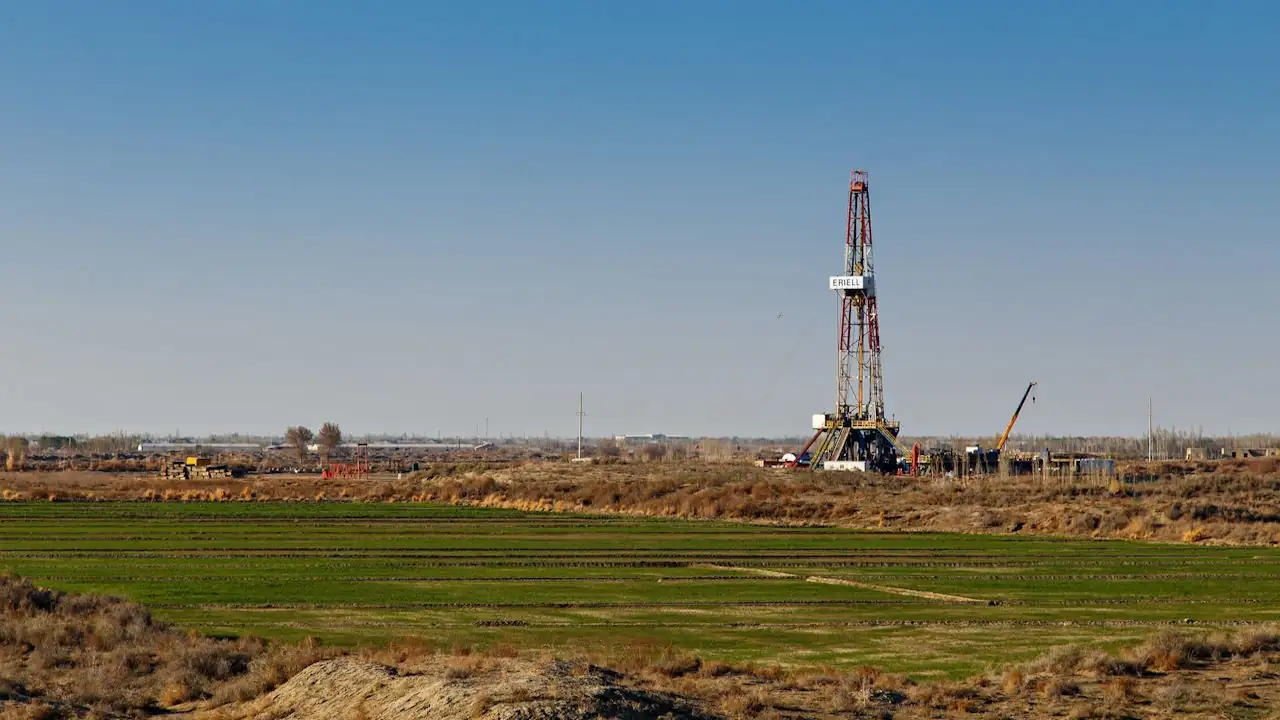
Modernising agricultural infrastructure: The investment of 56.7bn Ugandan shillings in farm infrastructure represents more than just figures on a balance sheet. Imagine the irrigation systems that are bringing life to farms that were previously dependent on rainfall, the tractors that are replacing manual labour and increasing productivity, and the storage facilities that are protecting harvests from spoilage. Every shilling invested has increased productivity and improved yields, enabling producers to compete confidently in regional and international markets.
Revolutionising post-harvest management: The Shs89bn channelled to 99 large aggregators and off-takers for post-harvest infrastructure addresses one of the most persistent challenges in agriculture: post-harvest losses. By providing modern silos, warehouses and processing facilities, we have established a robust supply chain that ensures farmers’ hard work translates into market value. Our farmers no longer have to watch their produce rot in the fields; instead, they can see it being efficiently stored, processed and delivered to eager markets.
Building value-added industries: Most significantly, perhaps, the Shs187.6bn invested in 129 agro-processors across various value chains represents Uganda’s transformation from a raw material exporter to a value-adding economy. These processors are creating jobs in rural areas, developing globally competitive products, and ensuring that more of the economic value from our agricultural potential remains within our borders, directly benefiting our people.
The Small Business Recovery Fund: A lifeline in crisis
When the small business sector was threatened by the impact of the Covid-19 pandemic, we responded with the SBRF — a testament to the government’s commitment to supporting entrepreneurs. Since 2021, the scheme has provided Shs70bn to 3,496 vulnerable SMEs, enabling them to thrive, not just survive.
The power of the block allocation model
Our most innovative achievement is perhaps the block allocation model, which has been a game-changer for financial inclusion. By reducing collateral requirements and targeting marginalised communities specifically, we have opened doors that were previously closed to Uganda’s most vulnerable populations.
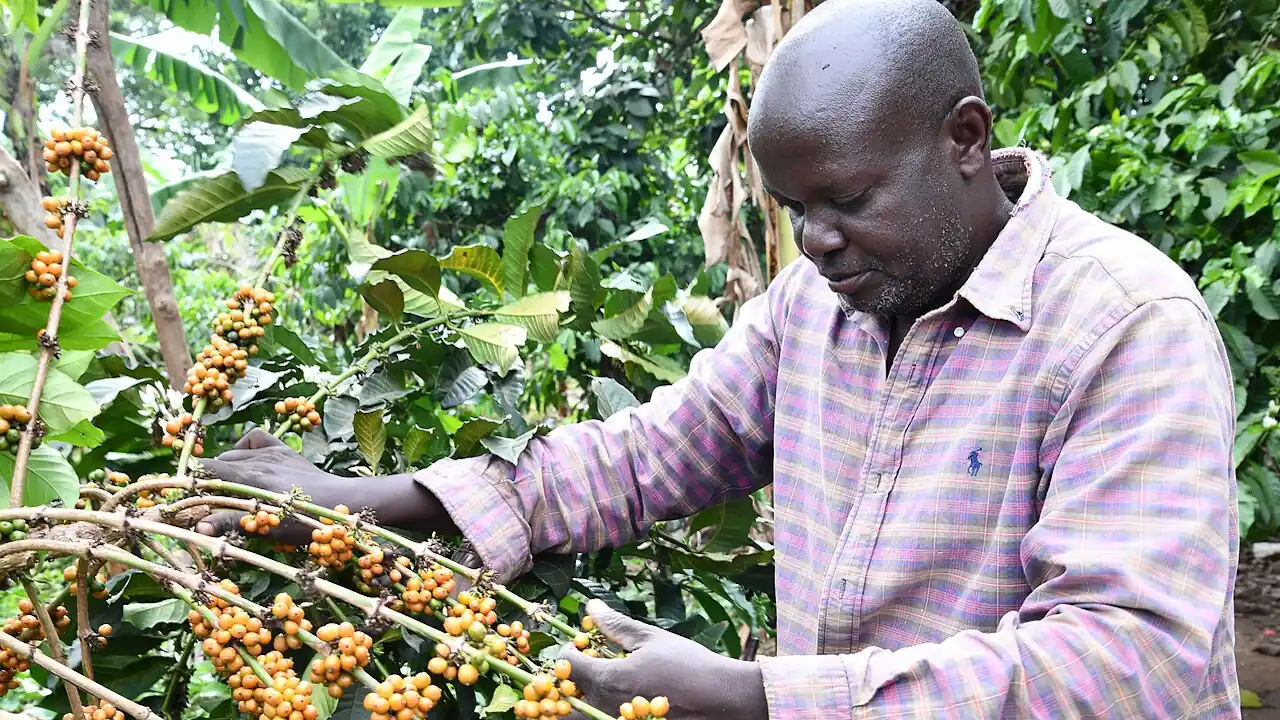
The numbers tell a powerful story that deserves deeper reflection: 4,442 rural farmers have accessed Shs26.4bn through this model, 28 per cent of whom are women. Behind each of these statistics lies a transformed life. Take the smallholder farmer in Luwero, for example, who has expanded from growing crops for subsistence to supplying urban markets. Or the women’s cooperative in Mbale that progressed from informal savings groups to accessing formal credit for their joint farming ventures. Or the young graduate from Gulu who returned to the village not as a burden but as an agricultural entrepreneur with the capital needed to make farming profitable and dignified.
It’s not just about money; it’s about restoring dignity to rural livelihoods, creating genuine opportunities for economic advancement and affirming our belief that every Ugandan deserves a meaningful chance to prosper, regardless of their geographic location or economic starting point.
Celebrating our champions
Tonight, we honour the participating financial institutions that have been our partners at the forefront of this transformation. You have been so much more than just lenders; you have enabled dreams, built communities and shaped Uganda’s economic future.
Your branch networks have become fountains of hope in rural areas. Your expertise in credit assessment has guaranteed the sustainability of these schemes. Your commitment to our shared vision has made the impossible possible.
A model public-private partnership
This success story exemplifies the power of a strategic public–private partnership, in which each stakeholder contributes unique capabilities and resources to achieve shared objectives.
The Government of Uganda: As the strategic enabler, it has demonstrated an unprecedented level of commitment by investing over Shs426bn across both schemes. This investment goes beyond budget allocation; it represents a fundamental policy choice to prioritise the productive sectors of our economy. Through the Ministry of Finance, Planning and Economic Development, the government has chosen to invest in Uganda’s productive capacity rather than merely managing economic challenges. This investment signals to private sector partners, international stakeholders and our citizens that Uganda is serious about agricultural transformation and small business development as pathways to sustainable economic growth.
This success story exemplifies the power of a strategic public–private partnership, in which each stakeholder contributes unique capabilities and resources to achieve shared objectives.
The Government of Uganda: As the strategic enabler, it has demonstrated an unprecedented level of commitment by investing over Shs426bn across both schemes. This investment goes beyond budget allocation; it represents a fundamental policy choice to prioritise the productive sectors of our economy. Through the Ministry of Finance, Planning and Economic Development, the government has chosen to invest in Uganda’s productive capacity rather than merely managing economic challenges. This investment signals to private sector partners, international stakeholders and our citizens that Uganda is serious about agricultural transformation and small business development as pathways to sustainable economic growth.
The Bank of Uganda (BoU): The institutional architect has provided the regulatory and administrative framework that makes these schemes effective and sustainable. Beyond fund administration, the BoU has crafted policies that balance accessibility with prudent risk management. The BoU has also created transparent reporting mechanisms to ensure accountability and established refinancing processes to keep these schemes responsive to market needs. BoU’s stewardship ensures these are sustainable financial interventions that will continue to serve Ugandans for generations to come, rather than mere government spending programmes.
Our participating financial institutions: Our implementation partners have transformed policy into practice, bringing these schemes to life in communities across Uganda. Your branch networks have become vital distribution channels, ensuring that these resources reach those who need them most. Your credit officers have become trusted advisers, helping farmers and small business owners to navigate the path from subsistence to commercial success. Your expertise in risk assessment and loan management has ensured the financial soundness of these schemes while maximising their developmental impact.
Together, we have achieved more than just financial schemes — we have developed a replicable model for effective public–private partnerships in development finance.
Challenges: stepping stones to excellence
Even during celebrations, we must face the remaining challenges with the same honesty and determination that have brought us this far. These challenges are not failures; they are the next frontiers for our innovation and collaboration.
Financial literacy: Many of our farmers and small business owners lack the financial management skills to maximise the opportunities available through government schemes. When farmers cannot maintain proper records and small business owners struggle with cash flow management, their growth potential is limited.
God bless us all.