
Burn Manufacturing, the Kenyan producer of clean cookstoves and carbon developer, has secured a $4mn (Shs14.3bn) grant from the African Development Bank to roll out electric cooking solutions in Kenya, Uganda, and Zambia.
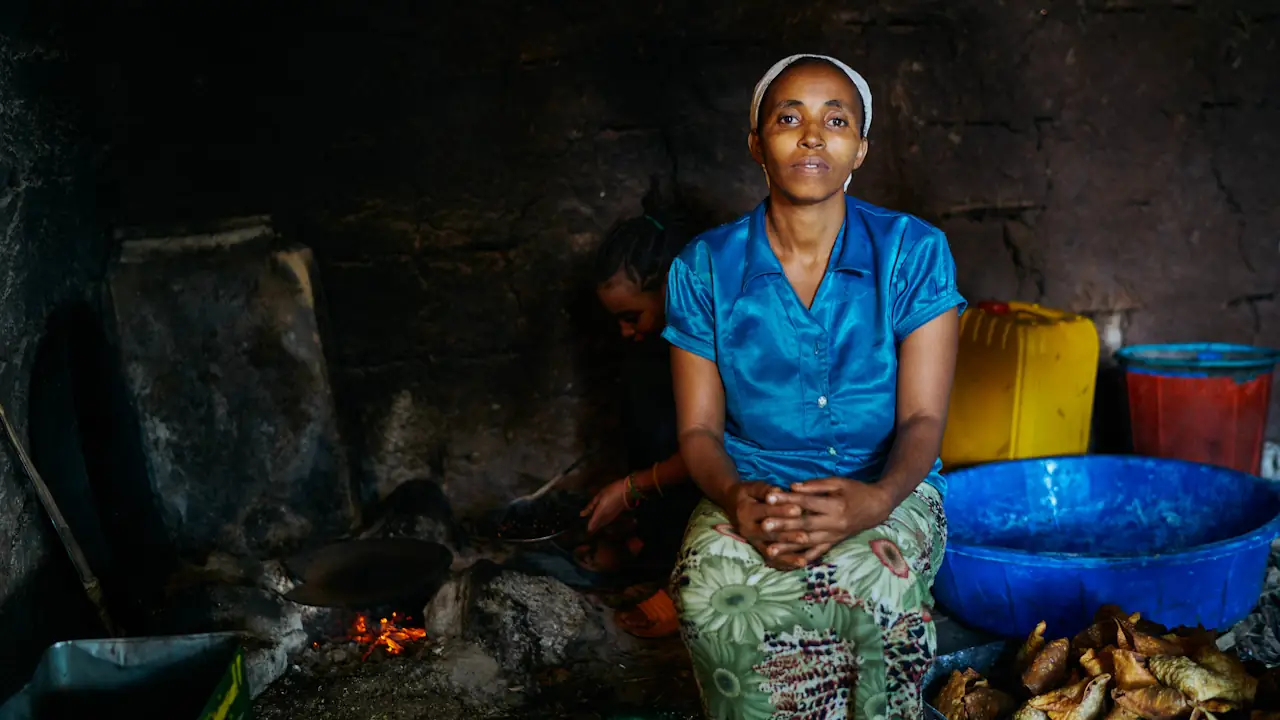
The grant, provided through the bank’s Sustainable Energy Fund for Africa, will support Burn’s Electric Cooking Expansion Programme, which aims to distribute 115,000 induction cookers to low-income households that are connected to the grid but currently rely on charcoal. The funding is reimbursable, meaning Burn will cover the initial costs and be repaid once these have been verified.
Burn will front the cost of the cookers and recoup it through the sale of carbon credits in the voluntary market. The programme’s model combines carbon-backed subsidies with pay-as-you-go payment plans, significantly reducing the initial cost for consumers. This approach aims to make clean energy solutions more accessible to households that would otherwise be unable to afford them.
Induction stoves work by using electromagnetic induction to heat cookware directly rather than relying on flames or burners. They are up to three times more efficient than gas stoves and up to 10 per cent more efficient than traditional electric cookers. They require pots and pans with flat bases that can be magnetised, such as those made of cast iron or certain types of stainless steel; they cannot heat copper, aluminium or glass cookware.
Burn’s ECOA Electric Induction Cooker comes with induction-ready cookware, including a pot and a frying pan, which are manufactured at the company’s facility in Kenya. The company employs a ‘pay-as-you-cook’ financing model that enables customers who cannot afford the full cost to purchase the stove by making an initial payment, followed by weekly mobile money payments.
The programme is structured through a special purpose vehicle, or SPV, and, alongside the AfDB grant, draws on a $5mn senior loan from the Spark+ Africa Fund and $1mn in equity from Burn Manufacturing.
“This SPV will partner with Burn to manage sales, distribution, and servicing of the cookers. The appliances will generate carbon credits, owned by the SPV, with revenues shared among investors,” the bank said in a statement.
“This is the bank’s first carbon finance transaction of its kind, with SEFA playing a critical role in mitigating carbon market risks and enhancing the programme’s financial sustainability,” said Daniel Schroth, the African Development Bank Group’s director for renewable energy and energy efficiency.
The bank’s statement added: “The programme aligns with SEFA’s thematic area on energy efficiency, catalysing private sector investments in efficient appliances and promoting scale-up of clean cooking technologies. It also supports the Mission 300 Initiative and the bank’s New Deal on Energy for Africa, which aim to deliver universal energy access through low-carbon solutions.”
Peter Scott, the founder and chief executive of Burn, said that the investment would enable the company to “rapidly scale our IoT-enabled induction stove across Kenya, Uganda, and Zambia,” providing low-income households with an alternative to charcoal and wood.
“By integrating cutting-edge technology, carbon financing, and mobile-enabled pay-as-you-cook models, we are demonstrating that electric cooking can be clean, affordable, and scalable across the continent,” he added.
The AfDB said that the project will “stimulate job creation and fortify local supply chains within the three target countries,” in addition to its environmental and health benefits.
Burn says it’s the only company making cookstoves in sub-Saharan Africa that’s involved in every part of the design, production and distribution process. Its two solar-powered factories in Kenya have a combined monthly production capacity of 450,000 stoves. The company’s product range includes electric induction, LPG and biomass stoves, as well as stainless steel cookware.
Burn operates in over ten African countries.