
Issued by: WMC Africa
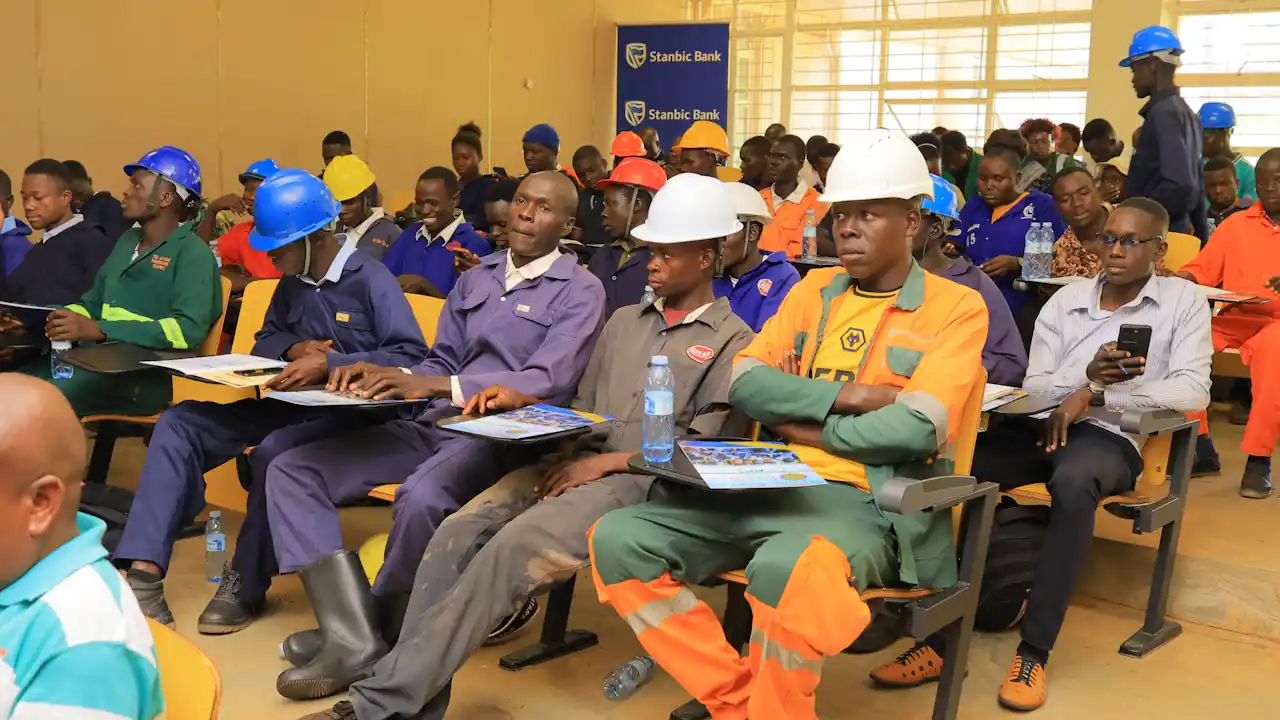
A hundred young people have completed an intensive six-month training programme at Busitema University in Eastern Uganda, which was intended to provide them with marketable skills.
The Shs50mn programme was fully funded by Stanbic Bank and aligns with the government’s National Development Plan, which aims to invest in skills development to empower young people and drive economic growth.
Speaking at the graduation ceremony, Eng. Dr Joseph Ddumba Lwanga, Dean of the Faculty of Engineering and Technology, said that 100 students had initially enrolled on the programme, but three had dropped out.
“The graduates represent 97 per cent completion rate, an indicator of the commitment of all the stakeholders involved, including the beneficiaries, sponsors and implementers. The beneficiaries were selected on merit from the different areas where Busitema University has operations. With the main campus at Busitema, other campuses are located in Nagongera, Namasagali, Arapai, Mbale, Pallisa, and Kaliro districts,” Mr Ddumba said.
The courses include welding and metal fabrication; post-harvest handling, bricklaying and concrete practice, irrigation technologies, and automotive repairs.
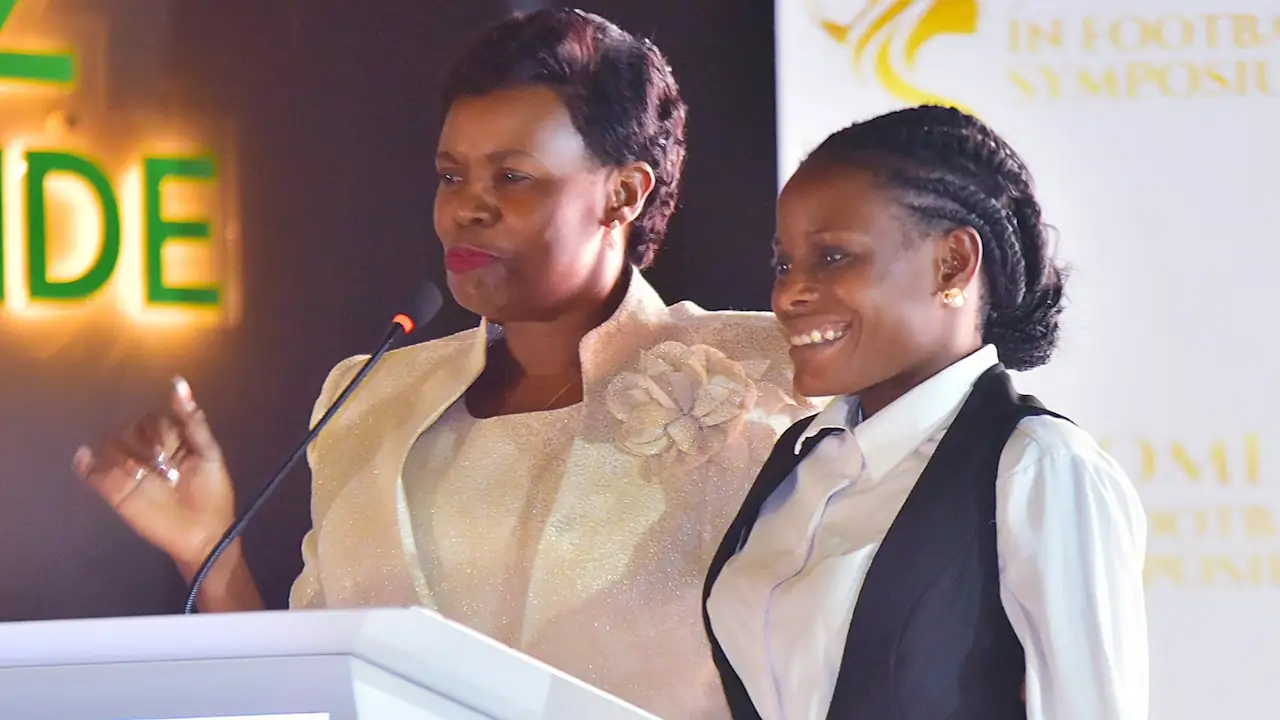
Diana Ondoga, Stanbic Bank’s Manager for Corporate and Social Investment, said, “It is a pleasure to witness these students graduating from the revitalised skills-based short-course training programme, a testament to what can be achieved when collaboration aligns with a shared vision for progress.”
The vocational training programme, which was introduced last year with 70 beneficiaries, has expanded this year to offer 100 scholarships.
Ms Ondoga said: “At Stanbic Bank, our commitment goes beyond banking. We are dedicated to supporting initiatives that build human capacity, stimulate economic growth, and uplift communities. This is a very important part of our purpose: ‘Uganda is our home, we drive her growth’. This programme exemplifies this dedication by equipping talented young men and women with practical, industry-relevant skills, empowering them to take charge of their futures and contribute meaningfully to our nation’s development.”
She added that the partnership with Busitema University is a strategic plan to help the country realise its human resource potential.
“In a competitive world where relevance often outweighs formal education, we chose to partner with Busitema University among numerous investment opportunities. While we have allocated funds to various initiatives, this partnership stands out because it aligns with the National Development Plan and outlines practical skills and industry readiness as essential for community development and individual success,” Ms Ondoga said.
She continued: ‘Over the past 10 years, we have run our flagship empowerment initiative, the Stanbic National Schools Championship, which has touched the lives of over 500,000 secondary school students. However, we asked ourselves, ‘What about those out of school?’”
“That question led to the development of this programme, which provides an innovative solution to that challenge. It is designed with a clear focus on closing the gap between education and industry needs, ensuring our youth are job-ready and highly competent. We hope that each graduate will leverage the skills they have acquired to create sustainable livelihoods, inspire others, and build a brighter future for their communities,” added Ms Ondoga.
Professor Paul Waako, Vice-Chancellor of Busitema University, said: “Let your actions and work speak for you. As you step into the communities to serve, remember that the quality of your services will determine the success of your enterprises. Clients expect quality and good customer care. Without these, your qualifications alone won’t suffice.”
Among the graduates was John Siminyu, who said: “After completing S4, I stayed at home and helped my father with our poultry project. However, we faced challenges and the project collapsed. When I heard about this opportunity, I seized it because I had always wanted to practise welding. Now, I already have a job where I am applying my skills and learning more through mentorship.”
Christine Adikini, an irrigation technology graduate and resident of Buyende district, recently gave birth to twins. She said, “Studying while pregnant was quite challenging because of the intensity of the programme. However, the instructors and colleagues were very accommodating. At first, I was afraid that I would be dropped because of my condition. I am grateful to the administration for enabling me to continue with my course.”
Ms Adikini’s husband, James Mugavu, said: “My wife has already taught me how to implement irrigation methods successfully. We recently set up nursery beds that survived the harsh weather because we implemented the skills she learned during her studies. We believe this will lead to greater opportunities, particularly in agriculture.”
According to Ms Ondoga, Stanbic is committed to enhancing the all-round growth of women, young people and farmers, particularly by supporting initiatives that improve their quality of life.