
Issued by: Petroleum Authority of Uganda
The Petroleum Authority of Uganda has urged local suppliers to consider forming joint ventures as a means of increasing their competitiveness in Uganda’s fast-growing oil and gas sector.
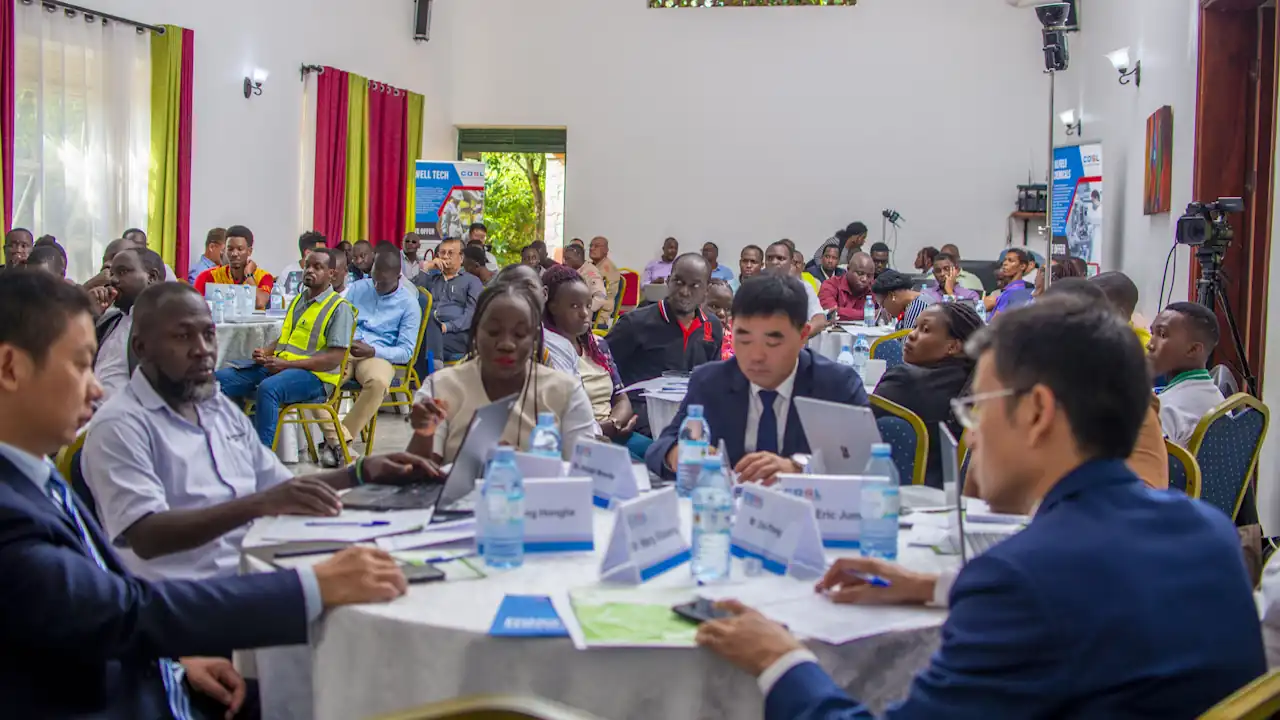
Speaking at a supplier development workshop organised by COSL Uganda SMC Limited — a Tier One contractor for TotalEnergies and CNOOC Uganda — in Hoima on Tuesday, Ms Vivienne Nabbosa, PAU’s national content officer in charge of contracts, told the 60 Ugandan entities in attendance that their limited financial and technical capacity continues to prevent them from securing contracts in the highly competitive bidding processes.
“Where local suppliers lack either technical or financial capacity, Regulation 9(2) of the Petroleum (Exploration, Development and Production) (National Content) Regulations, 2016 encourages them to form joint ventures in order to participate effectively in the sector. These may include joint ventures with other Ugandan suppliers who possess the required capacity, or joint ventures with non-Ugandan companies that can offer technical expertise and financial support,” she said.
These partnerships aim to promote knowledge transfer, build local capacity, and maximise Ugandan participation in petroleum activities, in line with the goal of the National Content Regulations to promote national content.
Xia Yu, COSL-Uganda’s general manager, reiterated the company’s commitment to creating opportunities, transferring knowledge, and fostering economic growth by ensuring that Ugandan businesses and professionals actively contribute to and benefit from the oil and gas industry.
“As of June 2025, COSL Uganda had awarded contracts valued at over $93.9m to 67 Ugandan companies, a clear demonstration of our commitment to engaging with and empowering local businesses. In the second half of the year, we aim to further increase the participation of Ugandan firms, with a particular focus on community-based enterprises,” Mr Yu said.
He added that COSL Uganda has prioritised knowledge and technology transfer for Ugandan citizens in an effort to build a skilled workforce. The company’s annual plans include several initiatives, such as industry training programmes, graduate traineeships, and internships, which provide hands-on experience and exposure to real-world operations.
Melidah Mirembe, the national content coordinator at TotalEnergies E&P Uganda, emphasised the importance of partnerships in strengthening the capabilities of local suppliers. She said that TotalEnergies is currently implementing the Community Supplier Development Programme in the primary project districts of Hoima, Buliisa, Kikuube, Masindi, Pakwach, and Nwoya.
Building on the recommendations from the 2022/23 pilot phase, the programme aims to strengthen the capability and competitiveness of community suppliers, enabling them to participate meaningfully in opportunities within the oil and gas sector and beyond.
“TotalEnergies E&P is conducting trainings in areas such as HSE management systems, integrated management systems, regulatory compliance, and sustainability practices — all of which are designed to support and benefit community suppliers,” Ms Mirembe said.
A baseline assessment conducted between December 2023 and January 2024 surveyed a total of 1,325 community suppliers and found that a significant proportion of community-based companies were not formally registered.
Ms Allen Nzira of E-360 — the firm contracted by TotalEnergies E&P to implement the Community Supplier Development Programme (CSDP) — revealed that only 13 per cent of enterprises were registered with the Uganda Registration Services Bureau; 14 per cent had tax identification numbers; seven per cent were enrolled with the National Social Security Fund; and just three per cent were listed on the National Supplier Database.
The CSDP aims to enhance the capacity of community suppliers to deliver goods and services, create platforms for sharing opportunities and market linkages, and collaborate with government agencies to identify synergies that promote sustainability and maximise value. To date, over 3,000 community suppliers have engaged with TotalEnergies E&P through their Tier 1, 2, and 3 contractors.
However, some of the suppliers present expressed concerns about the pricing structures offered by oil and gas contractors, stating that they were uncompetitive despite the industry’s high standards.
“The prices being offered are not attractive. As you demand high standards, please also be willing to meet our price expectations,” said Mr. James Bukoya, a hotel manager in Hoima.
The second quarter National Content Development Suppliers Workshop, held under the theme ‘Enhancing the Capacity of Community Suppliers to Meet Industry Standards’, was organised in accordance with the National Content Regulations set out by the Petroleum Authority of Uganda.