

Inflation picked up pace in September, rising to its highest level in 14 months, driven by a surge in food crop and related item prices.
The consumer price index, a gauge for goods and service costs across the economy, rose 4 per cent in September from a year ago, the Uganda Bureau of Statistics said on Tuesday. The measure increased 3.8 per cent in August, the same rate as the previous month.
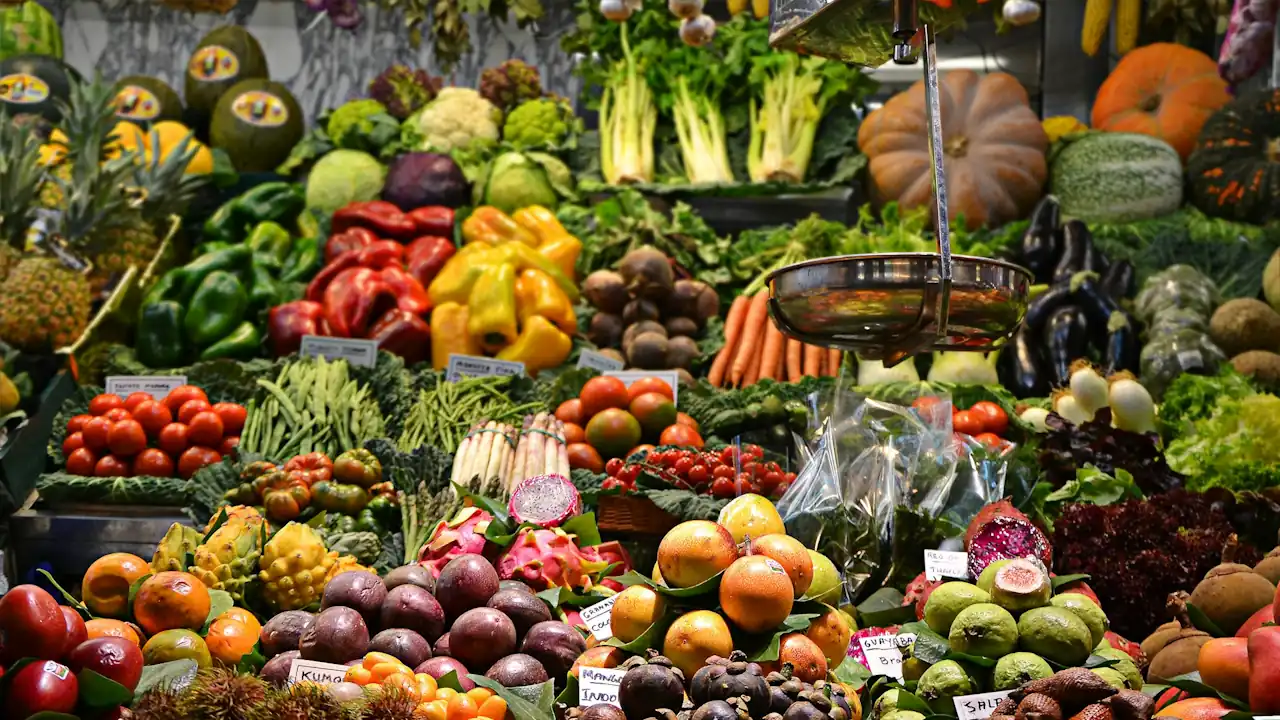
The jump in overall prices was driven by food crops and related items inflation, which surged to a two-year high of 7.4 per cent. Ubos attributed this to increased prices for matooke, tomatoes, onions, and fresh leafy vegetables.
Core prices, which exclude volatile food and energy items, climbed 4 per cent year-on-year — less than the 4.1 per cent increase reported in August. Other goods inflation rose 3 per cent compared to 3.2 per cent last month, while services inflation remained at 5.1 per cent.
Energy, fuel, and utilities prices fell 0.1 per cent year-on-year in September, down from an increase of 1.1 per cent in August. This was primarily due to a slowdown in inflation for charcoal and firewood.
The overall consumer price index rose 0.5 per cent from the previous month, driven by a 4.5 per cent rise in the prices of food crops and related items. In August, monthly inflation was recorded at 0.2 per cent, while food prices increased by 0.7 per cent.
Monthly core inflation ticked up 0.1 per cent, the same rate recorded in August. Inflation for energy, fuel, and utilities increased by 0.3 per cent on the month, down from 0.7 per cent the previous month.