
Washington is wielding visa revocations as a form of diplomatic punishment, targeting African leaders and intellectuals who’ve challenged US foreign policy.
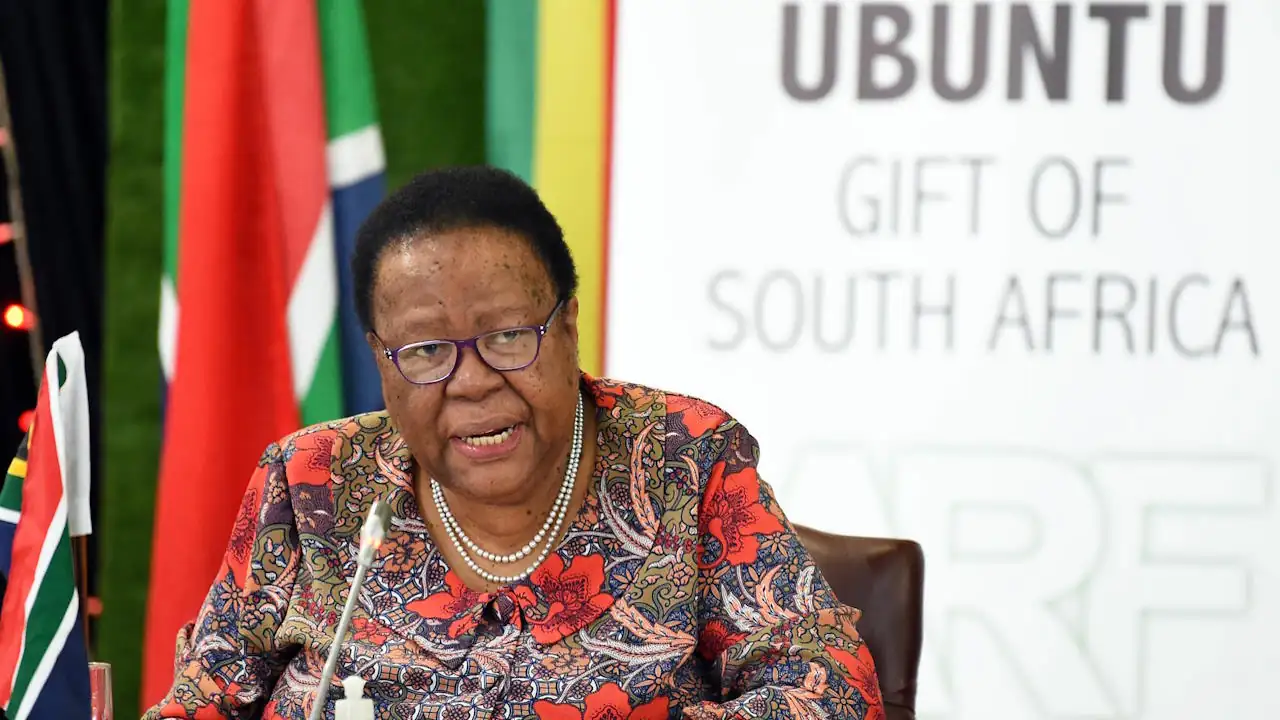
The Trump administration has revoked the US visa of Naledi Pandor, South Africa’s former minister of international relations minister who spearheaded the genocide case against Israel at the International Court of Justice. This week’s move follows the ban of 91-year-old Nobel laureate Wole Soyinka in October, suggesting a pattern of retaliation against prominent critics.
Why it matters: The escalating crackdown signals how Washington responds to foreign policy dissent, particularly regarding the Israel-Palestine conflict. Both cases involve distinguished African figures whose primary offence appears to be vocal criticism of US and Israeli actions.
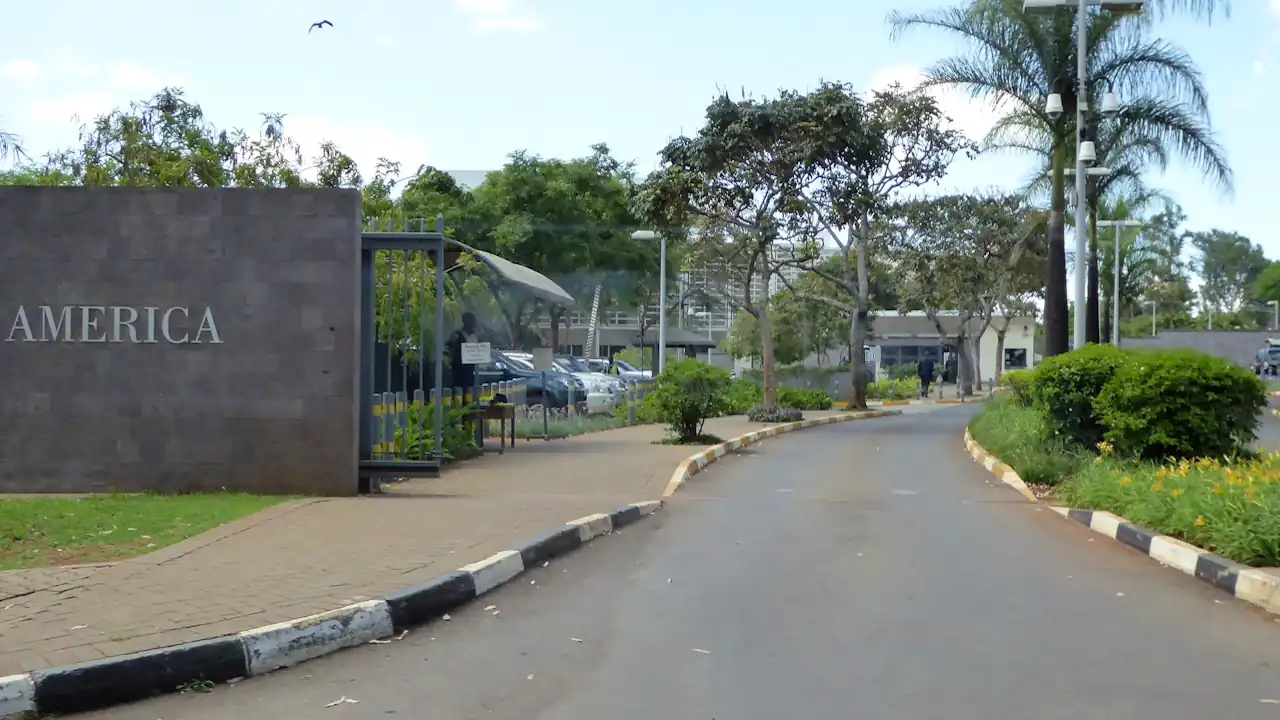
The Pandor precedent: Ms Pandor received an email from the US Consulate this week stating her multiple-entry visa had been cancelled immediately, without explanation. She told Middle East Eye the timing suggests retaliation for South Africa’s ICJ case.
The former minister — who retired from government in 2024 and now chairs the Nelson Mandela Foundation — in September warned of a “tectonic shift” in US foreign policy under Trump, describing his agenda as punishing other nations through military and economic power.
Between the lines: The second Trump administration has systematically targeted Pretoria since the ICJ filing. It has suspended aid, expelled South Africa’s US ambassador and granted asylum to hundreds of Afrikaners based on the false claim of a ‘white genocide’. It also boycotted last weekend’s G20 summit in Johannesburg — the first ever to be held in Africa.
The Heritage Foundation in Washington called for cutting aid to South Africa unless it dropped the “libellous accusation” against Israel. Subsequently, some 160 lawyers wrote to the State Department accusing Pretoria of accepting bribes from Hamas — a claim that the South African government denies.
The Soyinka angle: Nigeria’s Wole Soyinka, who destroyed his US green card in 2017 to protest Trump’s first election, was told his visa had been revoked due to unspecified “additional information”. He suspects his recent comparison of Trump to Ugandan dictator Idi Amin — triggered the ban.
“I thought I was paying him a compliment” Mr Soyinka said at a press conference, adding that Trump “has been behaving like a dictator”.
The ICC dimension: The sanctions extend beyond visa politics. In August, six ICC judges and three prosecutors — including French judge Nicolas Guillou — were sanctioned after issuing arrest warrants for Israeli Prime Minister Benjamin Netanyahu and former Defence Minister Yoav Gallant.
Mr Guillou told Le Monde that he has been cut off from Amazon, Airbnb, PayPal, Expedia, and most banking services. American Express, Visa, and Mastercard no longer work for him. “You are effectively blacklisted by much of the world’s banking system,” he said.
What they’re saying: “There is a sort of malevolence if one is not toeing the line when it comes to the question of Palestine,” Ms Pandor told Middle East Eye. “These are issues of principle, not convenience. There will be no U-turn.”
Mr Soyinka was more sardonic: “When I called Donald Trump Idi Amin, I thought I was paying him a compliment.”
The bottom line: Trump’s second administration is using visa revocations and financial sanctions not only for immigration enforcement, but also as ideological weapons. Those who criticise US policy on Israel-Palestine, regardless of their status or citizenship, are finding themselves digitally and diplomatically excommunicated.
The message is clear: challenge Washington’s priorities, and America’s economic and technological dominance becomes a cudgel.