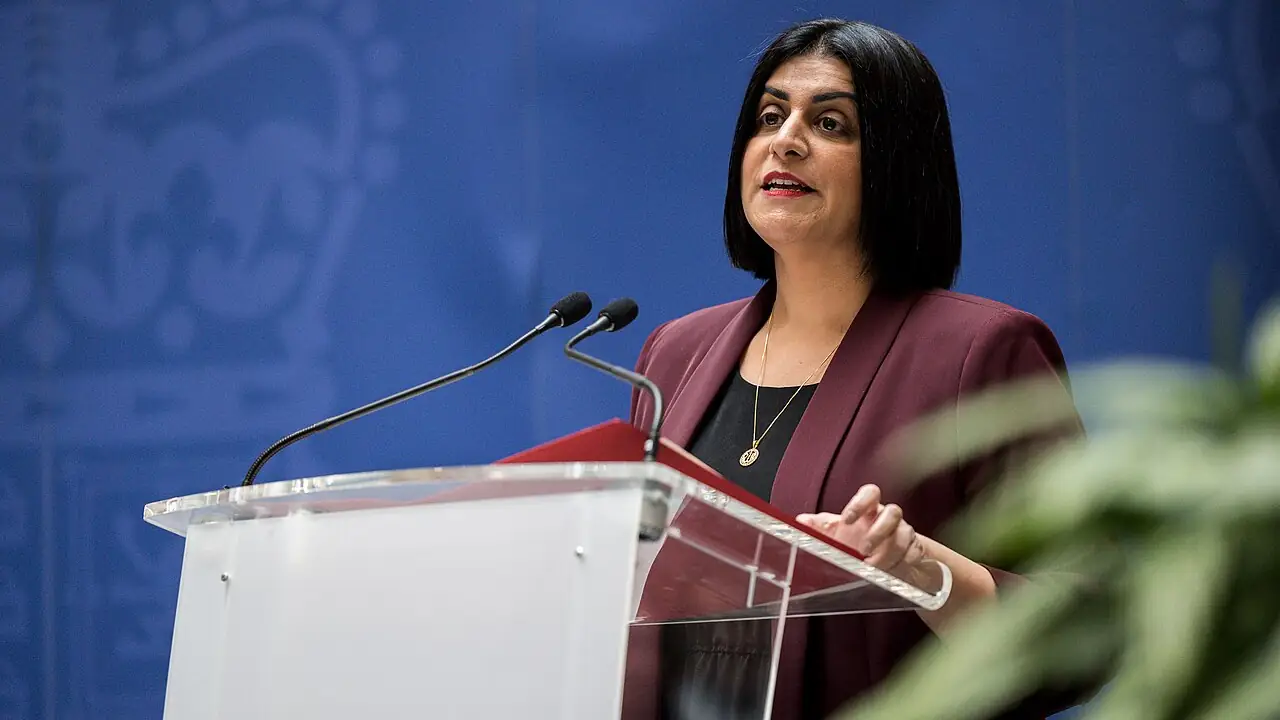

The UK will compel asylum seekers to wait 20 years before they can apply for permanent residence, up from the current five years, Home Secretary Shabana Mahmood will announce on Monday.
The new measure will “end [the] UK’s golden ticket for asylum seekers,” Ms. Mahmood said in a statement.
Why it matters: The measure represents one of the toughest restrictions on refugee settlement in recent British history, as Labour attempts to neutralise immigration as a political liability ahead of potential gains by Reform UK.
The details: The government will also reduce the duration of refugee status itself from five years to just 30 months. After that period, cases will be reviewed and those whose home countries are deemed safe will be expected to return.
The bigger picture: Immigration has overtaken the economy as voters’ top concern in recent polling. Reform UK, which has surged on an anti-immigration platform, proposed abolishing the five-year settlement route entirely in September.
What else is changing: The changes form part of a broader immigration squeeze outlined in the government’s May white paper, Restoring control over the immigration system, including:
- Doubling the general qualifying period for permanent residence from five to ten years (less severe than the 20-year wait for refugees), with some people qualifying sooner based on criteria yet to be confirmed
- Ending an existing exemption for social care workers, so that employers are no longer allowed to recruit them from abroad
- Reducing the post-study work visa for international students from two years to 18 months
- Removing medium-skilled jobs (RQF levels 3–5) from the Skilled Worker visa sponsorship list.
The Danish model: The reforms draw heavily from Denmark’s playbook. A 2015 amendment allowed Copenhagen to revoke refugee status when home conditions improved, and policy has since been reoriented from integration towards return — making Denmark what analysts call “Europe’s toughest destination for refugees”.