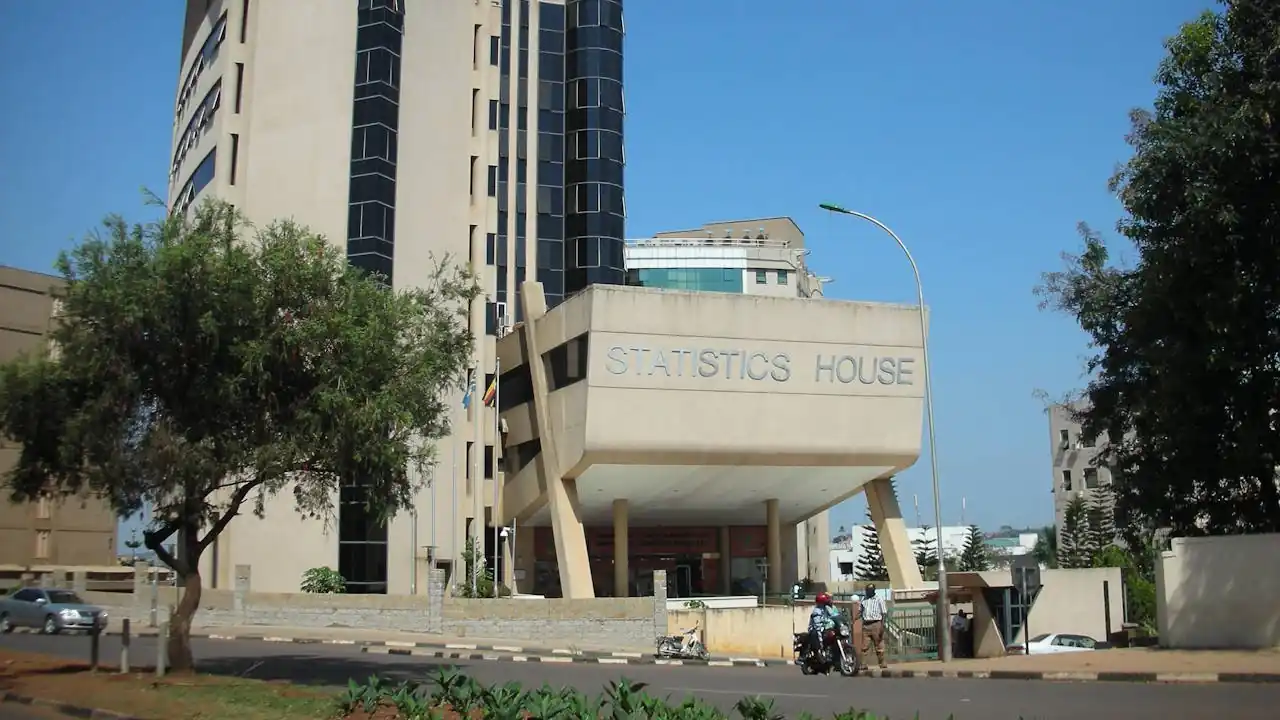
Inflation slowed to 3.1 per cent in November, reflecting a cooldown in the prices of food items and crops, according to figures from the Uganda Bureau of Statistics.
Friday’s figure was below October’s reading of 3.4 per cent, marking the second consecutive year-on-year decline. The statistics body said the fall was driven by slower price increases for staple goods, particularly maize flour, sugar, beef, and fresh tilapia, as well as food crops.
The core consumer price index — which strips out volatile food and energy costs — fell for the third consecutive month to 3.2 per cent, its lowest level in 22 months. Inflation for core goods fell to 2.4 per cent year-on-year from 2.6 per cent in October, while services inflation eased to 4.2 per cent compared with 4.5 per cent the previous month.
The rate at which prices for food crops and related items increased cooled to 4 per cent in the year to November, down from 6.1 per cent in October. The statistics bureau attributed this mainly to slower price increases for matooke, tomatoes, mangoes, onions, sweet potatoes and fresh beans. Additionally, the annual rate of increase for food and non-alcoholic beverages eased to 2.9 per cent from 4.2 per cent in October.
Energy prices were the only outlier, jumping 0.6 per cent in the 12 months to November, up from 0.1 per cent the previous month. Price increases were recorded in all three sub-categories: firewood, petrol and diesel.
On a monthly basis, the consumer price index dropped 0.1 per cent in November, after remaining flat the previous month. This was largely due to falling food crop prices, down 0.9 per cent compared with a 0.2 per cent decline in October. Energy, fuel, and utilities inflation decreased by 0.2 per cent, down from a 0.2 per cent rise in October, driven by a fall in charcoal prices.
Monthly core inflation remained unchanged in November.