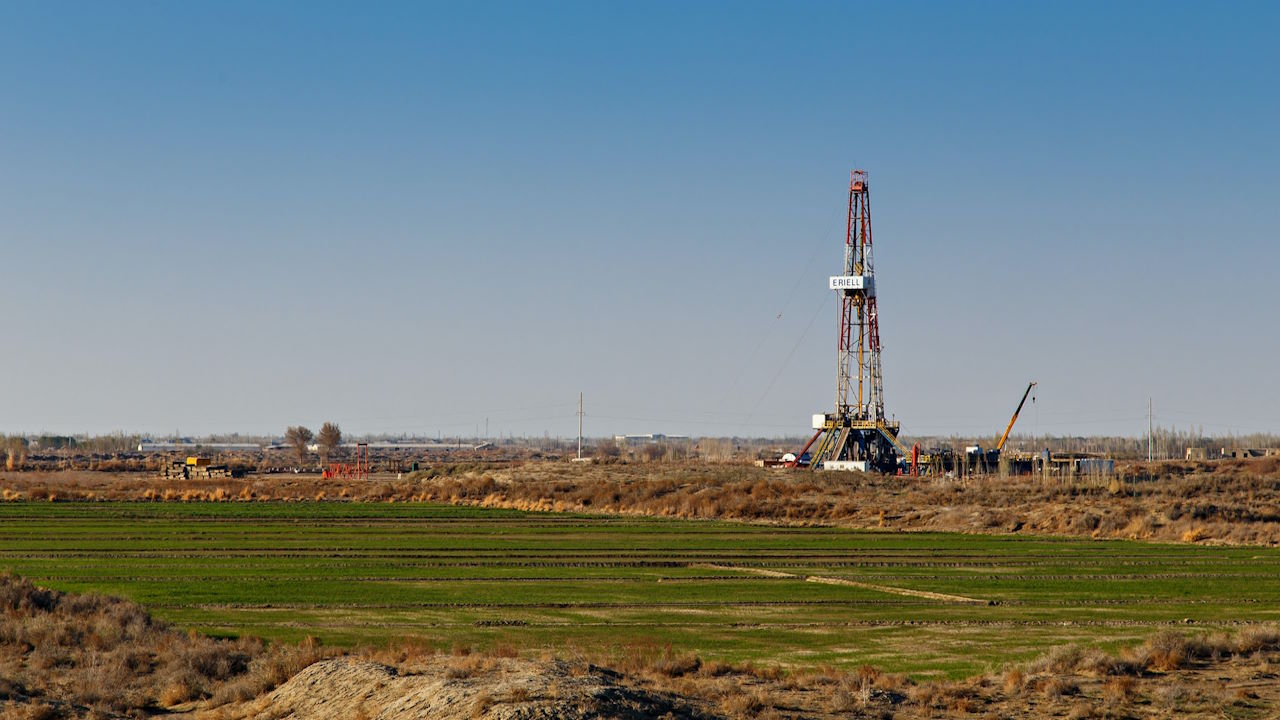

Domestic enterprises face a narrowing window to position themselves for commercial opportunities as Uganda prepares to begin oil production in the second half of 2026, marking the culmination of nearly two decades of development work.
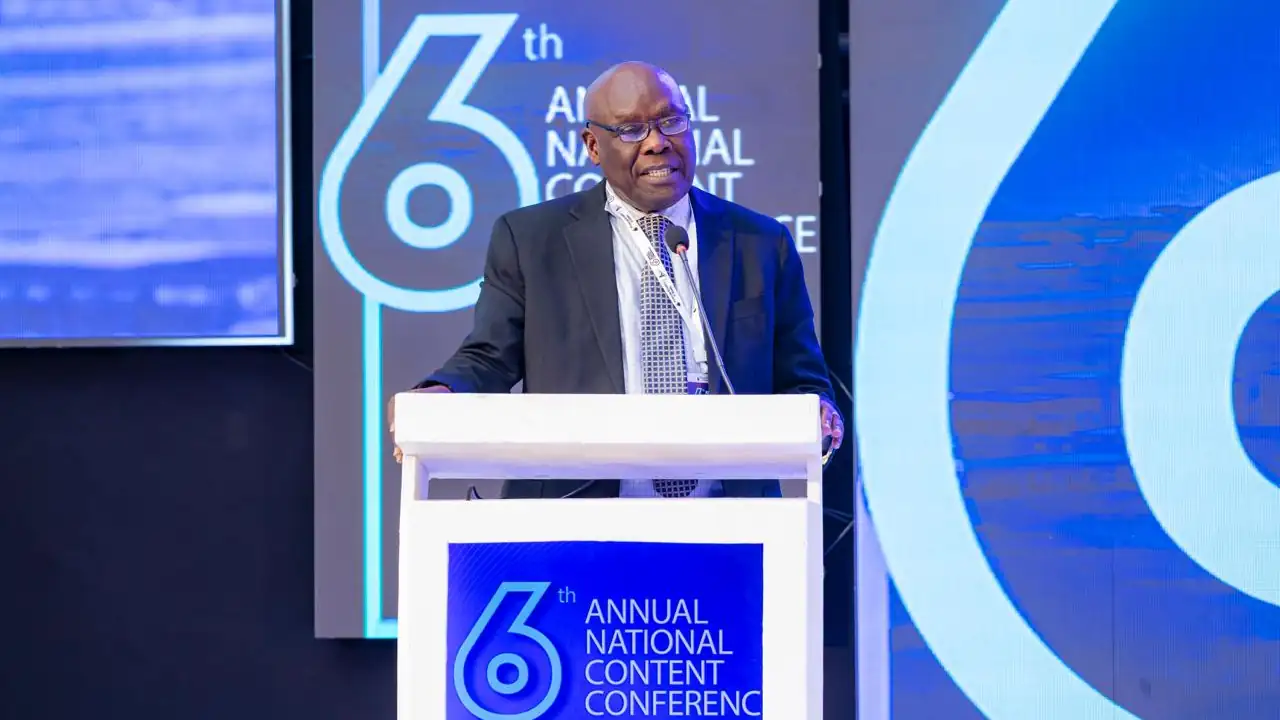
Speaking at the opening of the 6th Annual National Content Conference in Kampala on Wednesday, Okasai Opolot, minister of state for energy, said Uganda was entering a “defining moment” as it transitions from constructing infrastructure to production from reserves estimated at 6.65bn barrels, of which 1.65bn barrels are commercially recoverable.
The country expects to produce 230,000 barrels per day at peak output, which would position it among Africa’s mid-tier producers, alongside countries such as Equatorial Guinea and the Republic of Congo.
Ernest Rubondo, executive director of the Petroleum Authority of Uganda, outlined the sectors in which local companies should prepare to compete, including maintenance contracts, chemical and equipment supply, health and safety services, logistics, ICT solutions, and specialised engineering.
“Our focus is to maximise value retention for Ugandans and make Uganda a sound investment destination,” Mr Rubondo said at the conference, which runs through Thursday at Mestil Hotel.
Michael Atingi-Ego, governor of the Bank of Uganda, struck a cautionary note in his keynote address, warning that resource extraction alone would not guarantee prosperity. Citing economists Paul Collier and Joseph Stiglitz, he said the true test would be “converting resources into productive assets”.
The $11bn already invested in Uganda’s oil sector has funded roads, industrial parks, and logistics infrastructure, Atingi-Ego noted. But he emphasised that success would ultimately be measured by whether the oil age leaves behind “empowered Ugandan firms, skilled workers, and resilient communities — not merely infrastructure without inclusion”.
The conference will conclude with the presentation of National Content Awards in recognition of achievements in skills development, technology transfer, supplier development, inclusivity, corporate social responsibility, and national content partnerships.
Uganda’s oil will be exported via a 1,443 km heated pipeline to the port of Tanga in Tanzania, with initial production beginning at fields in the Albertine Graben in western Uganda before crude is delivered to a central processing facility in Kabaale, Hoima district.