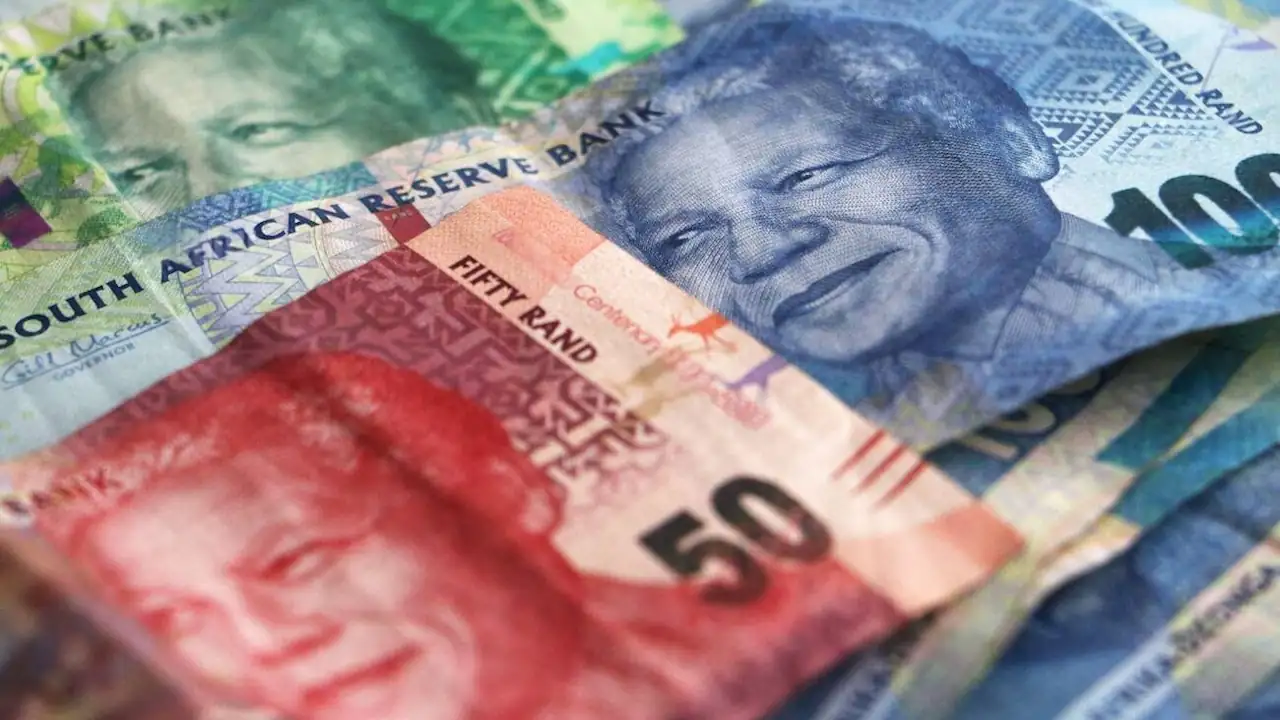


Black Friday has evolved into much more than a one-day sales event in Africa. What began as a retail import from the West now plays a vital part in the continent’s commercial calendar.
For the African Marketing Confederation (AMC), Black Friday’s significance lies not only in revenue spikes, but also in what it reveals about consumer maturity, market infrastructure and long-term brand trust.
Across various markets, brands are no longer treating Black Friday as a gimmick, but rather as an important time of year for planning promotions, inventory, and logistics.
This shift reflects the fact that African consumers now expect and demand more sophisticated retail experiences that combine value with trust.
Consumer behaviour: Beyond bargains
In many African markets, Black Friday is no longer just about impulse buying. Sky‑high inflation and the rising cost of living have changed how consumers approach the period.
An increasing number of shoppers are planning their Black Friday purchases carefully. Many save up and time their spending to purchase essential or higher-value items during the sale.
However, rising cynicism is also part of the picture. According to a recent analysis, an increasing number of consumers can distinguish between genuine discounts and marketing hype.
As a result, they are rewarding brands that demonstrate integrity alongside steep discounts. For AMC and marketers, this signals a turning point: authenticity must be at the heart of their Black Friday strategy, not just the price.
The digital shift: PayU GPO data
Black Friday has become deeply digital in Africa. According to PayU GPO data, e-commerce purchase activity in South Africa rose by 130 per cent on Black Friday 2024 compared to a regular Friday.
The study also showed that the average online basket size also increased to around R1,946 (Roughly $114). This suggests that consumers are using this period to make considered purchases.
What’s more, mobile channels dominated: 67 per cent of Black Friday transactions in South Africa were made on smartphones, underscoring how central mobile commerce has become to Africa’s digital economy.
Payment methods are also changing. Although card payments still account for a significant proportion, open-banking EFT methods are growing rapidly, and alternative options such as buy-now-pay-later (BNPL) are becoming increasingly popular.
These trends reflect broader shifts in Africa, with PayU noting an increased adoption of a “Black November” strategy among merchants. For AMC marketers, this underlines the need to integrate mobile-first design, flexible payment options, and seamless checkouts into campaign planning.
Multi‑channel marketing: Social, physical and hybrid strategies
Despite the dominance of e-commerce, physical retail still plays a role. In some African markets, for instance, consumers prefer to examine products in person before making a purchase, particularly when it comes to electronics or high-value items. Meanwhile, social media remains a powerful tool for increasing awareness of, engagement with, and conversion on Black Friday.
Retailers are increasingly extending their Black Friday promotions beyond the traditional 24‑hour window. Some run week-long (or even “Black November”) campaigns, using teaser deals, social media launches, and staggered discounts to spread demand and sustain momentum.
This type of multi-day strategy helps marketers avoid overloading delivery infrastructure. It also gives them more time to build trust through storytelling.
Trust, loyalty, and the ethical dimension
For AMC, Black Friday is a test of trust. As buyers become more discerning, brands risk damaging their reputation if they rely solely on steep discounts. Reports suggest that consumers are becoming wary of misaligned promotions and inflated ‘original’ prices.
Authenticity is now a major differentiator. African consumers, particularly the younger generation, are looking for value beyond the lowest price; ethical practices, transparent pricing and brands that align with their personal values are important to them.
In this context, AMC marketers should focus on long-term loyalty strategies. They should invest in brand equity, community and consistent follow-through, rather than one-off volume plays.
Operational challenges and opportunities:
The Black Friday peak puts pressure on logistics and payment infrastructure. Brands that cannot deliver reliably risk disappointing customers and damaging trust. For African retailers, investing in robust fulfilment networks is crucial. They should focus on offering flexible payment options alongside speed.
Emerging payment trends such as open banking, BNPL and tokenised cards offer more than just convenience; they provide a strategic advantage. Promoting these options and streamlining the checkout process can reduce friction and improve conversion rates.
Meanwhile, marketers need to consider cross-border e-commerce. As platforms expand their reach across Africa, there is real potential to link regional markets cohesively.
Risks and ethical considerations
The ethical issues surrounding Black Friday are becoming increasingly important. With many consumers under financial strain, marketers must avoid exploitative campaigns. Misleading deals and artificially inflated ‘discounts’ can quickly backfire, damaging trust and eroding long-term brand equity.
AMC should encourage marketers to promote responsible consumption. This could involve being transparent about pricing history, inventory limits and the environmental impact of fast-moving retail. In the African context, where economic volatility is a reality, it is especially important to show respect for consumers’ financial circumstances.
Strategic recommendations for African marketers
- Plan for a multi-day Black Friday window. Use pre-event teasers, mid-week warm-ups and extended deals to spread demand
- Build payment strategies that reflect the diversity of African digital finance. Highlight open banking, BNPL and mobile channels
- Be transparent in pricing. Use genuine ‘before–after’ comparisons and avoid inflating the original recommended retail price (RRP)
- Use social media early and strategically. Don’t just offer discounts — tell stories, engage communities and educate
- Strengthen logistics. Invest in fulfilment capacity that can handle high volumes, but also scale down gracefully after peaking
- Focus on long-term brand value. Measure success in terms of not only sales, but also customer acquisition cost, retention rate and sentiment
- Use ethical messaging. Align your Black Friday campaigns with social responsibility, particularly as many consumers are financially stretched.
Looking ahead
From the AMC perspective, Black Friday in Africa represents much more than just a shopping holiday. It reflects the continent’s evolving digital economy, changing consumer values and growing marketing sophistication.
For strategic marketers, it’s not enough to offer deep discounts. Black Friday must be an opportunity to build trust, demonstrate purpose and foster long-term loyalty. When done right, it becomes a launchpad for sustained growth rather than just a peak in sales.
Helen McIntee-Carlisle is president of the African Marketing Confederation