
The United States announced Thursday that it is conducting a comprehensive review of its relationship with Tanzania, citing grave concerns over religious freedom violations, restrictions on speech, and violence surrounding October’s disputed elections.
Why it matters
The move signals a significant deterioration in relations between Washington and Dar es Salaam, threatening decades of partnership in a strategically important East African nation.
What they’re saying
“Recent actions by the Government of Tanzania raise grave concerns about the direction of our bilateral relationship and the reliability of the Tanzanian Government as a partner,” said Thomas Pigott, principal deputy spokesperson for the State Department.
“The Government of Tanzania’s ongoing repression of religious freedom and free speech, the presence of persistent obstacles to U.S. investment, and disturbing violence against civilians in the days leading up to and following Tanzania’s October 29 elections, required this reconsideration of our ties,” the statement added.
The statement warned that the actions of the Tanzanian government “have put American citizens, tourists, and US interests in Tanzania at risk”.
The backdrop
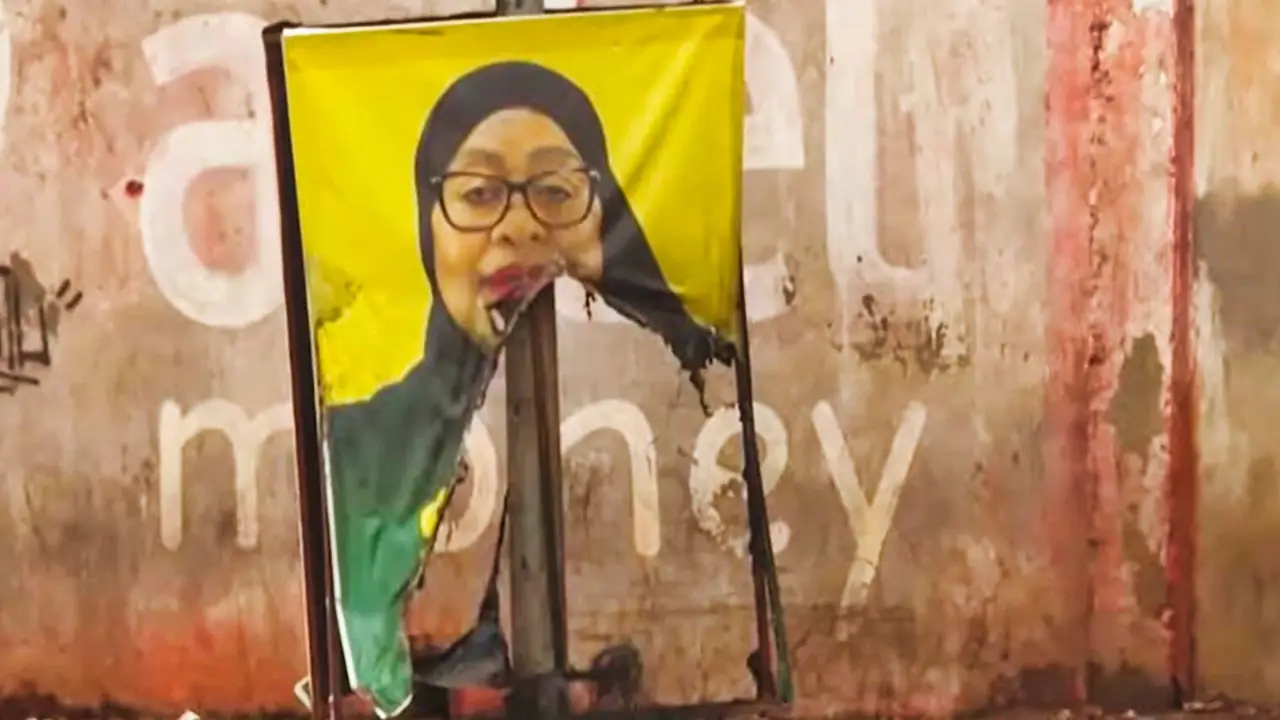
President Samia Suluhu Hassan won re-election on 29 October with 98 per cent of the vote in an election widely condemned as neither free nor fair.
- Main opposition leaders were jailed or barred from contesting
- Southern African Development Community observers said voters “could not express their democratic will”
- Unprecedented protests erupted in Dar es Salaam, Arusha, Mwanza and other cities
- Death toll estimates range from hundreds to potentially thousands, according to human rights organisations
What’s next
The State Department said “the future of our bilateral relationship with the Government of Tanzania will be based on its actions”.
Washington’s review could affect aid programmes, security cooperation, and trade relationships with Tanzania.
The bigger picture
Tanzania’s descent into authoritarianism mirrors a broader democratic backsliding across Africa, where the Mo Ibrahim Foundation reports governance scores have declined for the first time in a decade.
Hassan’s ruling Chama Cha Mapinduzi party has held power since independence in 1961, but analysts say she has crossed autocratic thresholds not seen since multiparty democracy was introduced in 1992.
Between the lines
The US announcement comes as Western democracies face difficult choices about maintaining relationships with strategically located but increasingly authoritarian partners.
Canada, the UK, and Norway have already expressed concern over post-election violence, whilst the African Union congratulated Hassan despite acknowledging loss of life.
Read: Tanzania’s Samia Suluhu Hassan is as repressive as John Magufuli, her predecessor