
Uganda’s annual inflation rate remained at 3.1 per cent in December, held down by modest core price growth despite surging fresh food costs during the festive season.
The stable headline figure masks divergent pressures across the consumer basket, according to data from the Uganda Bureau of Statistics. Whilst core inflation — which strips out volatile food and energy items — eased slightly to 3.1 per cent from 3.2 per cent in November, prices of fresh produce accelerated sharply.
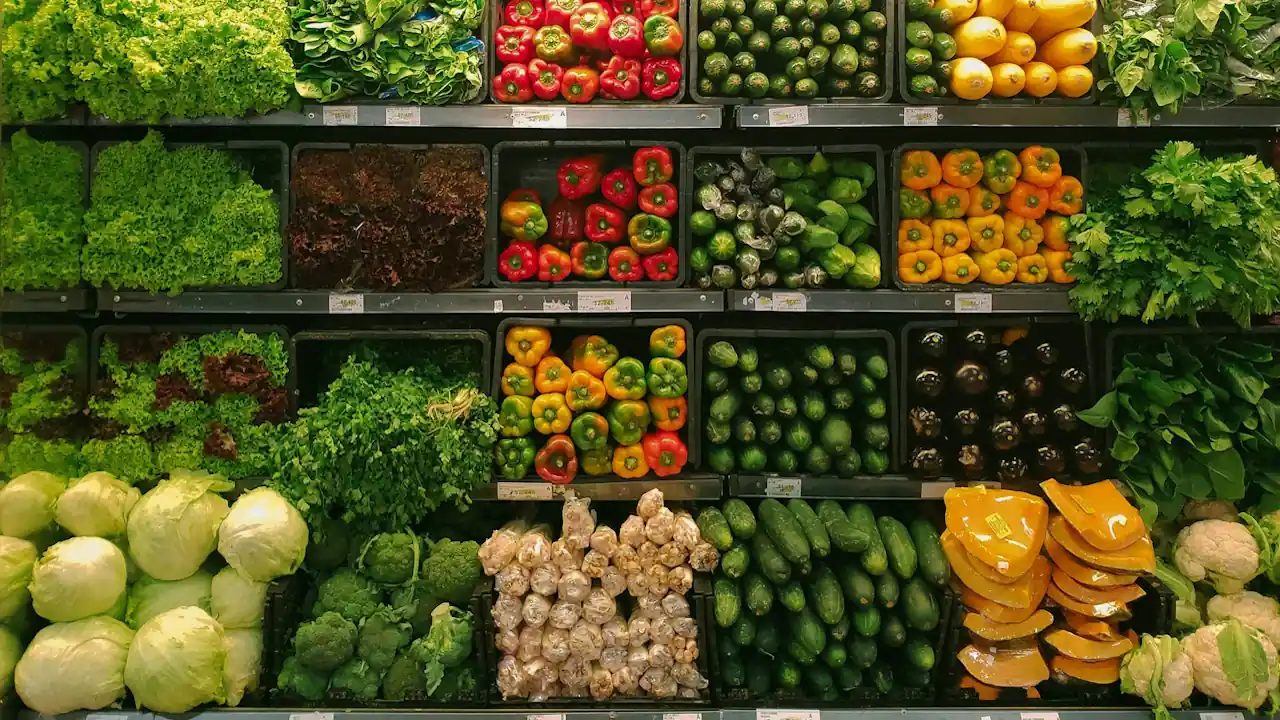
The December surge reflects both seasonal supply constraints from the dry season and typical festive period pricing, when vendors raise prices across the board to capitalise on heightened household demand for celebrations.
Food crops inflation climbed to 4.4 per cent from 4.0 per cent the previous month — the first year-on-year increase in three months — driven by rising vegetable prices. The prices of Irish potatoes, cabbage, and passion fruit all rose after falling the previous month, while onion prices fell more slowly. Fresh cassava prices also accelerated, rising from 3.0 per cent on-year in November to 8.9 per cent.
The modest core inflation reading suggests underlying price pressures remain contained. Services inflation eased to 4 per cent from 4.2 per cent; however, core goods prices edged up from 2.4 per cent to 2.5 per cent due to increased prices for dried fish, live chickens, and new women’s garments.
Energy costs added modest upward pressure, with fuel and utilities inflation rising to 1.5 per cent from 0.6 per cent. Annual firewood inflation rose to 4.9 per cent from 1.2 per cent the previous month. Charcoal prices gained 5.3 per cent year-on-year, whilst petrol edged up 1.4 per cent after declining 0.4 per cent in November.
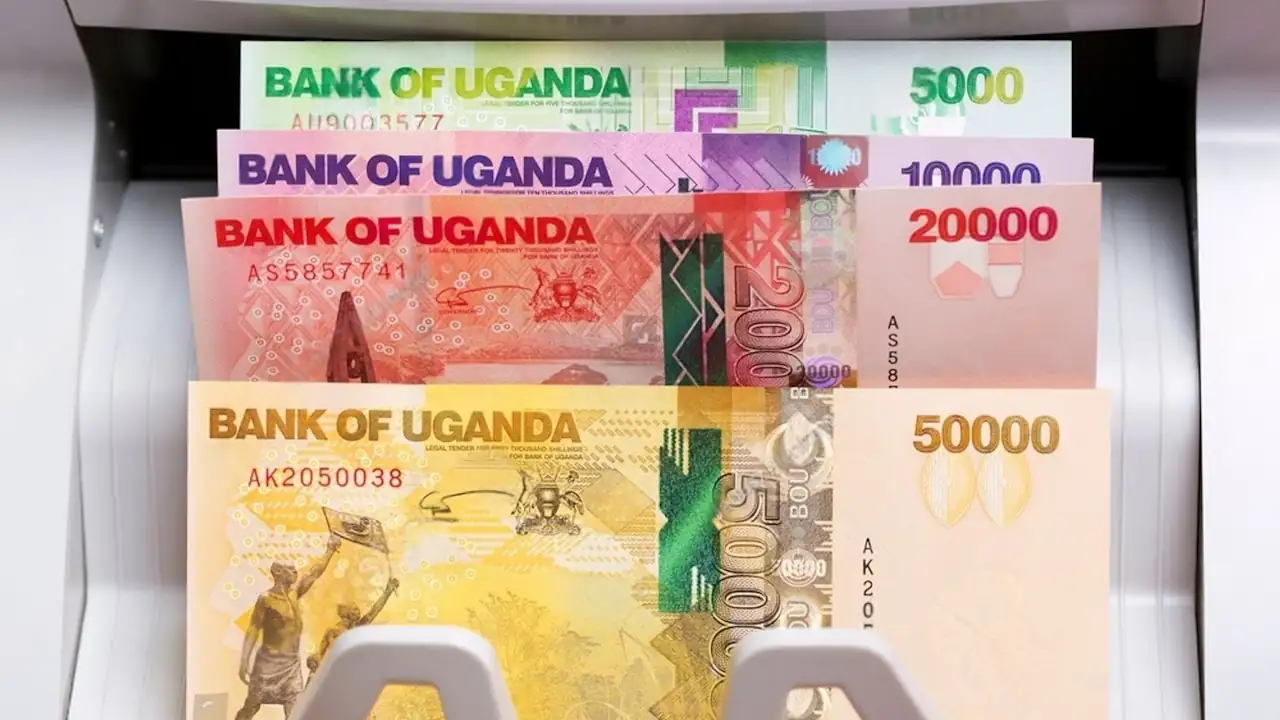
The Bank of Uganda has kept its central bank rate at 9.75 per cent since October 2024, citing well-anchored inflation expectations. The stable December reading, which matched the 3.1 per cent figure in November, is likely to reinforce the central bank’s wait-and-see stance.
Average inflation for the full calendar year of 2025 stood at 3.6 per cent, up from 3.3 per cent in 2024. The increase was primarily driven by core inflation, which averaged 3.8 per cent, compared with 3.6 per cent the previous year.
On a month-on-month basis, the consumer price index rose 0.5 per cent in December after a 0.1 per cent decline in November, reflecting the seasonal uptick in food and transport costs during the holiday period.