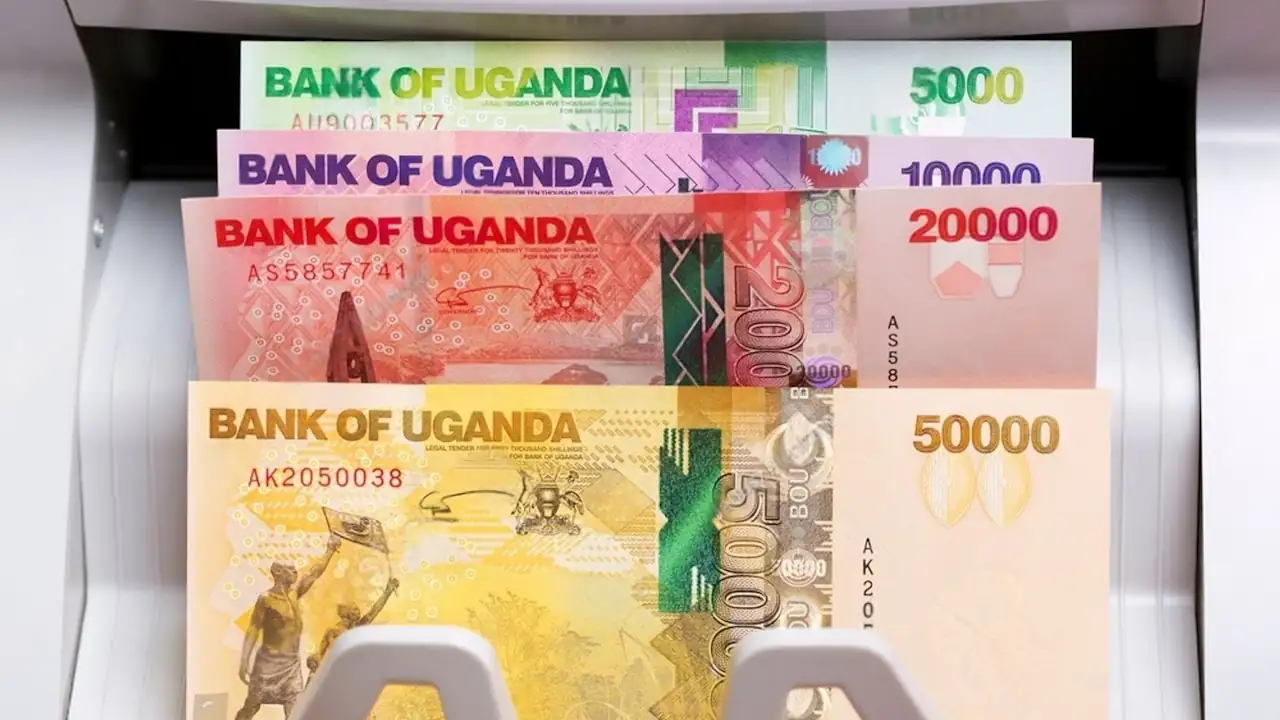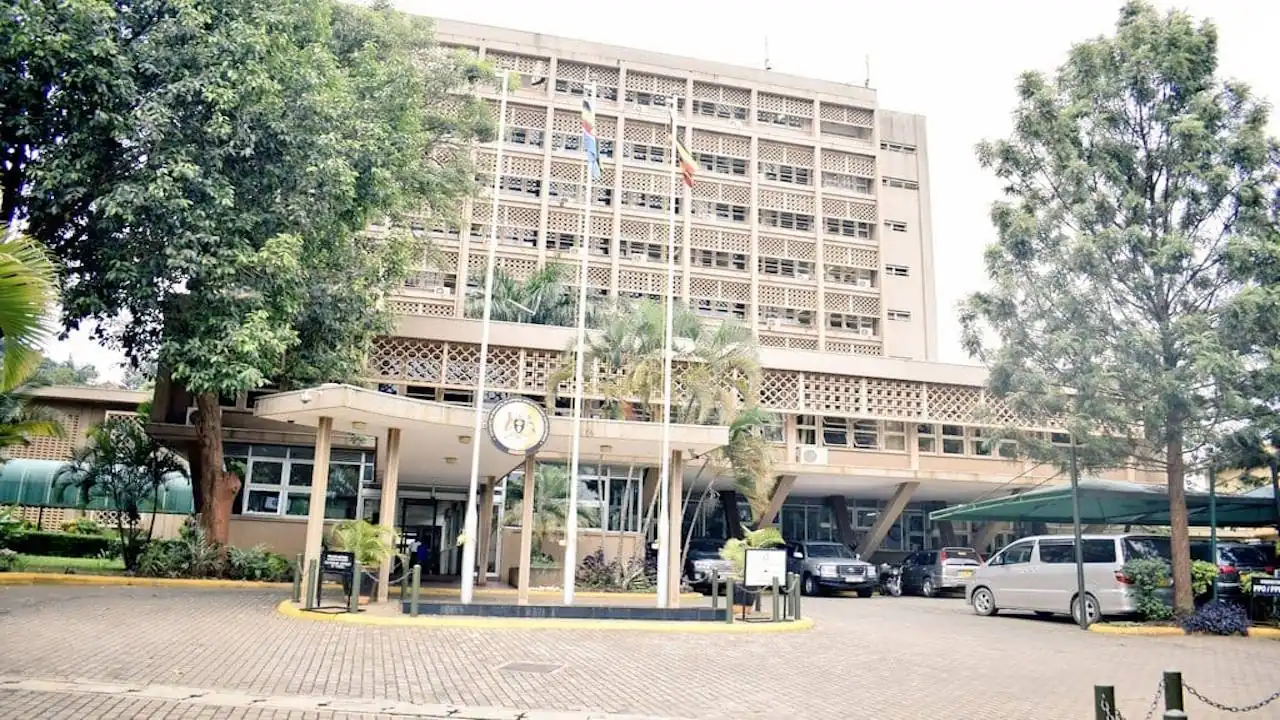


The Bank of Uganda kept its benchmark interest rate unchanged at 9.75 per cent on Monday, as policymakers judged the current stance appropriate to hold inflation near its target while sustaining economic activity.
The decision, taken at the Monetary Policy Committee’s February meeting, was widely anticipated. Inflation has stayed comfortably below the central bank’s 5 per cent medium-term target for some time, and the January reading, which edged up only marginally to 3.2 per cent from 3.1 per cent in December, did little to shift the committee’s calculus. Over the twelve months to January, annual headline inflation averaged 3.5 per cent, while core inflation averaged 3.8 per cent.
“The prevailing policy stance remains appropriate to support economic activity while ensuring that inflation stabilises around the target in the medium to long term,” the MPC said in its statement, citing “persistent global economic uncertainty” as the backdrop against which it is operating.
The January inflation data had already signalled what the committee would find: underlying price pressures are contained, even if the composition of inflation is shifting. Food crop prices, which had surged in December amid the festive season, eased to 3.0 per cent in January from 4.4 per cent, as favourable weather conditions helped supply. However, services inflation picked up, climbing to 4.8 per cent, led by a sharp rise in air transport costs. Core inflation ticked up to 3.3 per cent from 3.1 per cent, mainly on the back of those service-sector pressures.
The central bank revised its near-term inflation outlook modestly downwards since its November forecast, citing a slight appreciation of the shilling and lower international oil and food prices. It now projects headline inflation to range between 3.8 and 4.3 per cent for 2026 — marginally below target — before drifting back towards 5 per cent over the medium term.
That benign inflation picture has given the MPC room to keep policy steady while growth gathers pace. The economy expanded at an average of 6.3 per cent in the first three quarters of 2025, driven in large part by a surge in government consumption, up 22.8 per cent, alongside solid household spending growth of 14.2 per cent. The central bank expects full-year growth for FY2025/26 to come in between 6.5 and 7 per cent, rising to an average of around 8 per cent over the medium term as oil-related developments, infrastructure investment, and private sector activity gain momentum.
That medium-term optimism, however, sits alongside a notably cautious near-term tone. The MPC flagged that risks to its inflation outlook are “elevated in both directions.” On the upside, a positive output gap, where the economy is running above its current potential, combined with expansionary fiscal policy could stoke demand-driven inflation. A weaker shilling, supply chain disruptions resulting from geopolitical tensions, or adverse weather could also push prices higher than anticipated.
On the downside, a sharper-than-expected domestic slowdown or deceleration in global growth driven by trade shocks could weigh on activity and keep inflation well below target.
The committee has held the rate at 9.75 per cent since August 2024, when it cut by 25 basis points from 10 per cent, a move that followed a prolonged easing cycle which had taken the rate down from a post-pandemic high. Since then, policymakers have maintained what they describe as a “cautious” stance: neither tightening to restrain price pressures that remain modest, nor easing further in an uncertain global environment where the outlook is difficult to predict.
The rediscount and bank rates remain set at three and four percentage points above the CBR, at 12.75 per cent and 13.75 per cent respectively.
Future decisions, the committee said, will remain data-dependent and guided by ongoing assessments of domestic and global risks, language that has become a fixture of its statements and reflects its preference for keeping options open in an environment where uncertainty itself is the dominant risk.