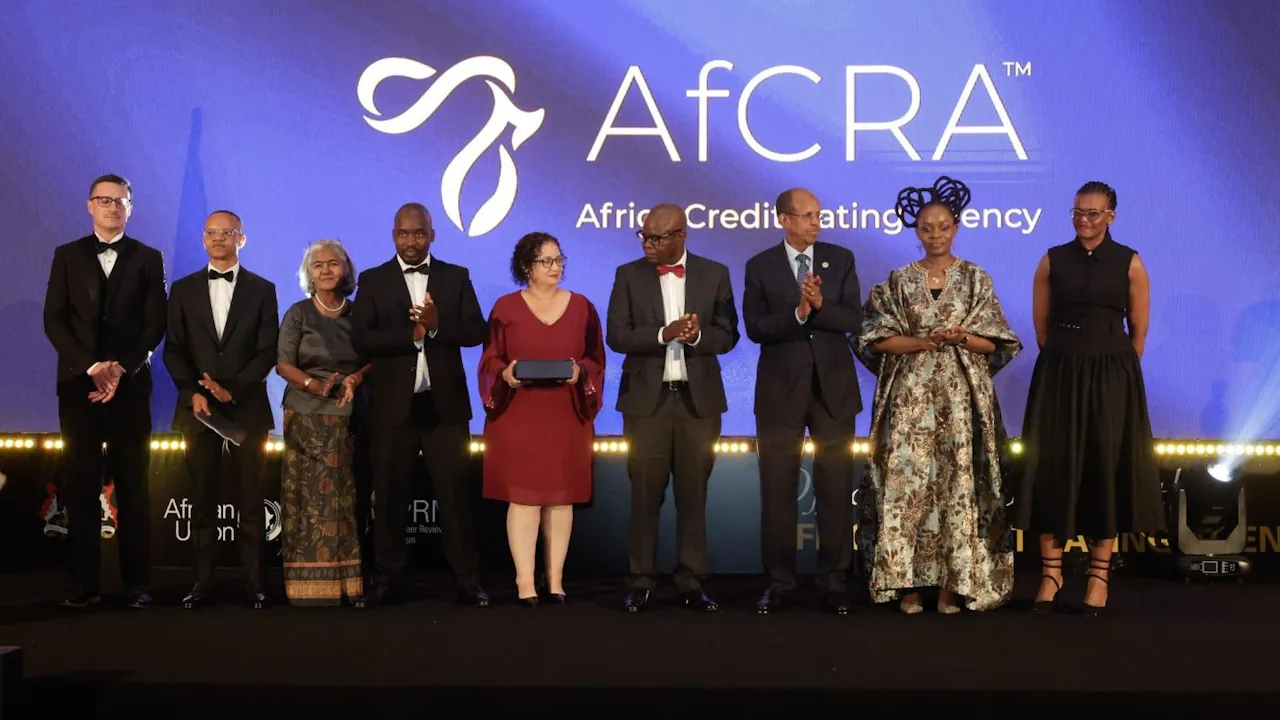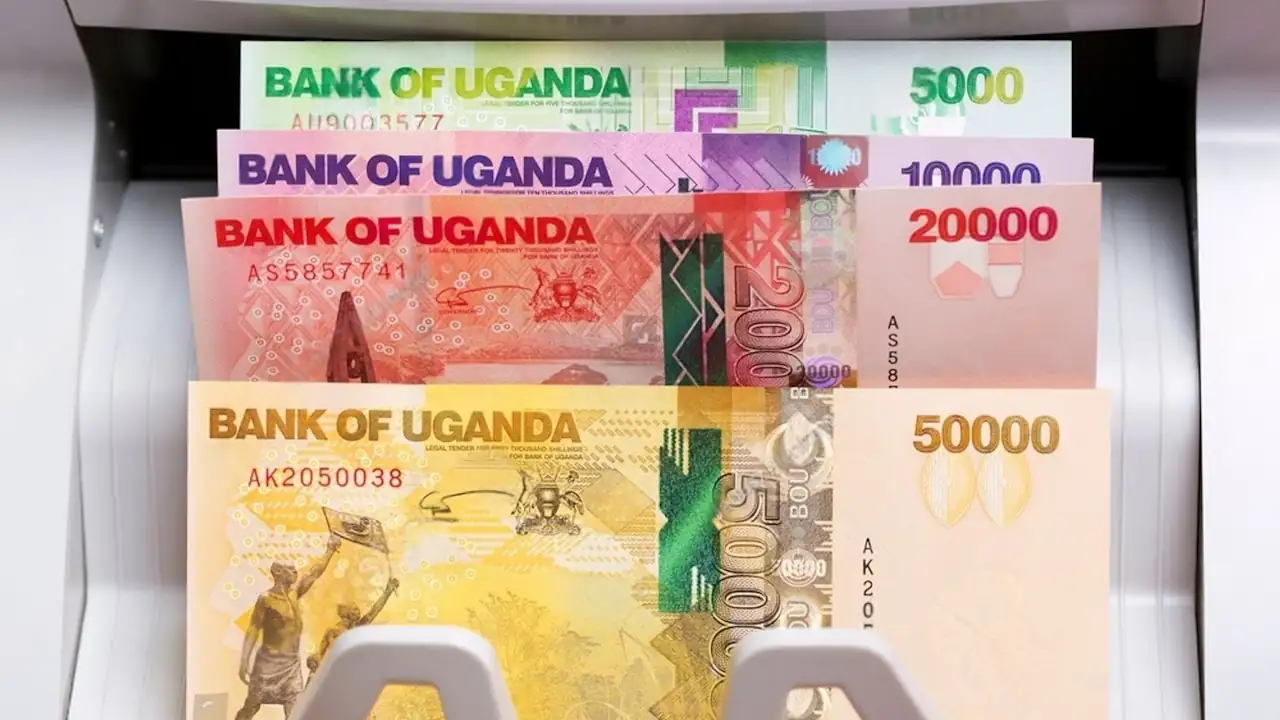


Fitch Ratings has affirmed Uganda Development Bank’s long-term issuer default rating at ‘B’ with a stable outlook, keeping the state-owned lender at the same level as Uganda’s sovereign credit rating, a ceiling that the agency says reflects the government’s constrained capacity to support the bank, however willing it may be.
The London-based ratings agency, which published its assessment on Thursday, assigned UDB a government support rating of ‘b’ that matches Uganda’s own sovereign credit rating, a signal that the bank’s creditworthiness is considered inseparable from the state’s. On Uganda’s domestic ratings scale, Fitch placed the bank in the highest tier available to any borrower below the sovereign itself.
The affirmation highlights a structural constraint that affects all Ugandan state institutions: while the government is willing to provide support, its ability to act on this intention is limited by its own creditworthiness.
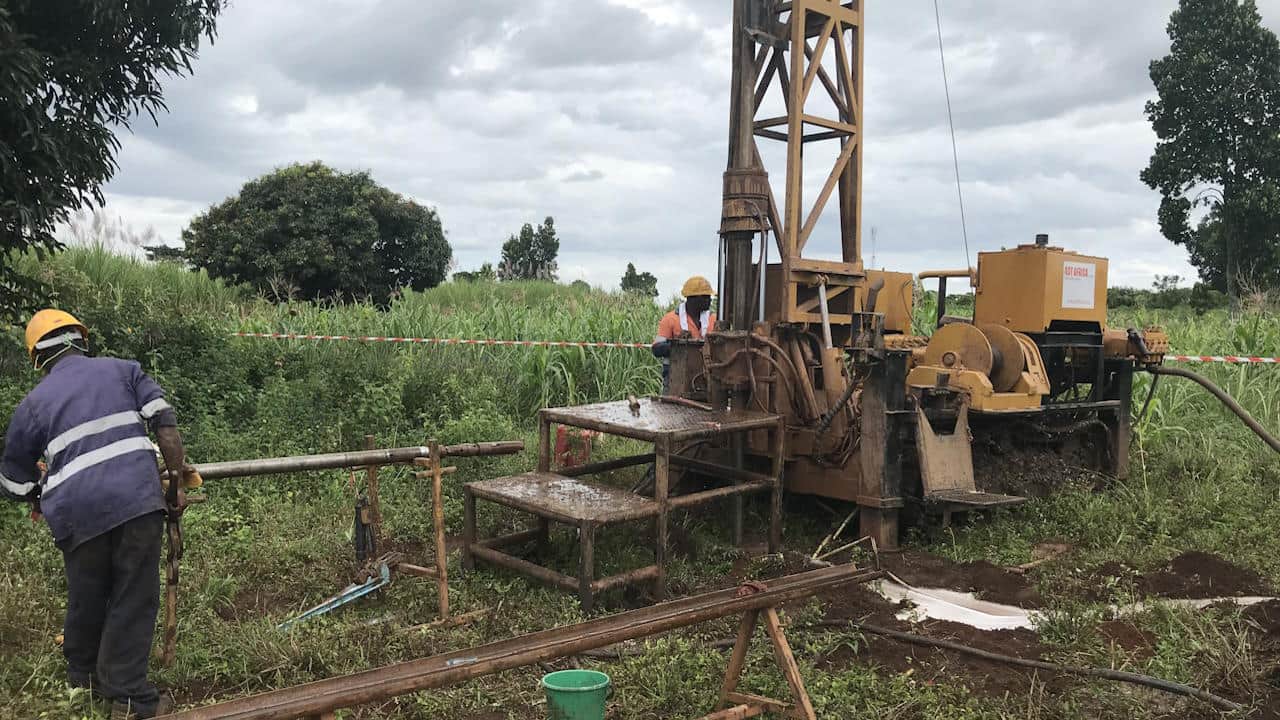
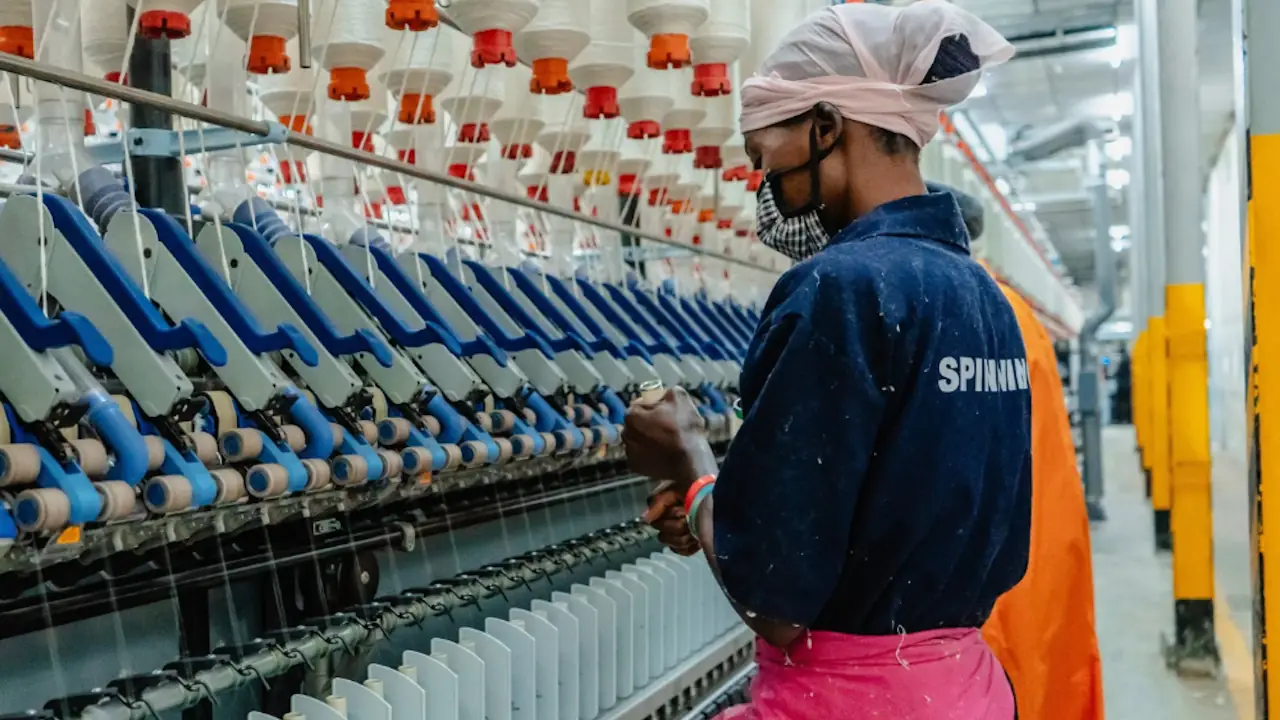
Fitch described UDB as Uganda’s primary development bank, which lends on preferential terms to borrowers in sectors that the government deems to be of strategic importance, particularly agriculture. The bank is wholly state-owned, with equal shares held by the Ministry of Finance, Planning and Economic Development and the Ministry of Privatisation and Investment. Fitch said it does not expect this ownership structure to change in the medium term.
The bank is well capitalised, with a tangible leverage ratio of 84.8 per cent at end-2024. Government capital contributions over the five years to 2024 totalled Shs923bn, roughly $252mn, and UDB pays no dividends. Fitch expects those injections to continue, though it also anticipates the balance sheet becoming more leveraged over the medium term as lending increases.
Non-equity funding consists of borrowings from development finance institutions, almost all of it government-guaranteed at end-2024. The bank held liquid assets — cash and balances with other banks — equivalent to 49 per cent of total funding, and can draw on ordinary liquidity support from the authorities if needed.
UDB’s credit profile carries a notable weakness: a persistently high impaired loans ratio. At end-2024, non-performing loans stood at 13.7 per cent of the total, elevated by most standards, though a significant improvement on the 22.9 per cent recorded at end-2023. Fitch attributed the decline to a combination of repayments, collections, and write-offs.
The agency noted that the bank lends to customers underserved by commercial banks, taking on higher credit risk as part of its remit. Agriculture and agro-processing alone accounted for 37 per cent of gross loans at the end of 2024, a concentration that amplifies the portfolio’s exposure to sector-specific shocks.
UDB also routinely grants grace periods on principal repayments when loans are first issued, a measure designed to ease the burden on borrowers, but which, according to Fitch, increases seasoning risks once those grace periods expire.
Despite these pressures, the bank has remained profitable. Annual operating returns on assets averaged 4.6 per cent between 2021 and 2024, supported by a wide net interest margin that reflects the bank’s low funding costs, a result of its large equity base and state-backed borrowings.
The rating also reflects Uganda’s broader economic trajectory. Fitch estimated the economy at $66bn in 2025 and forecast real GDP growth of 6.2 per cent, rising to 7.5 per cent in 2026. Inflation is projected to remain within the Bank of Uganda’s medium-term target, conditions the agency said are supportive of moderate private credit growth and the banking sector’s profitability.
What could change the rating? The path to an upgrade runs through the sovereign: UDB’s long-term IDR and government support rating would rise only if Uganda’s own sovereign ratings were upgraded. Similarly, a downgrade of the sovereign would pull UDB down with it.
The bank’s ratings could also be lowered if the government were seen to be pulling back from its support role, through a change in UDB’s mandate, for instance, or a reduction in state ownership. On the domestic scale, UDB’s national ratings would move if the bank’s creditworthiness shifted relative to other Ugandan issuers.
Fitch assigned UDB an ESG relevance score of ‘4[+]’ for human rights, community relations, and access and affordability, a positive signal that reflects the bank’s mandate to extend credit to under-banked communities, and which Fitch said reinforces the government’s willingness to support it.