
Issued by: WMC Africa
In recent years, inadequate lighting has posed a significant challenge at the Police National Training School Kabalye, affecting evening sessions at the Uganda Police Force’s largest training facility.
With thousands of recruits on this expansive campus, the limited visibility after dark, has constrained learning schedules and posed a security risk.
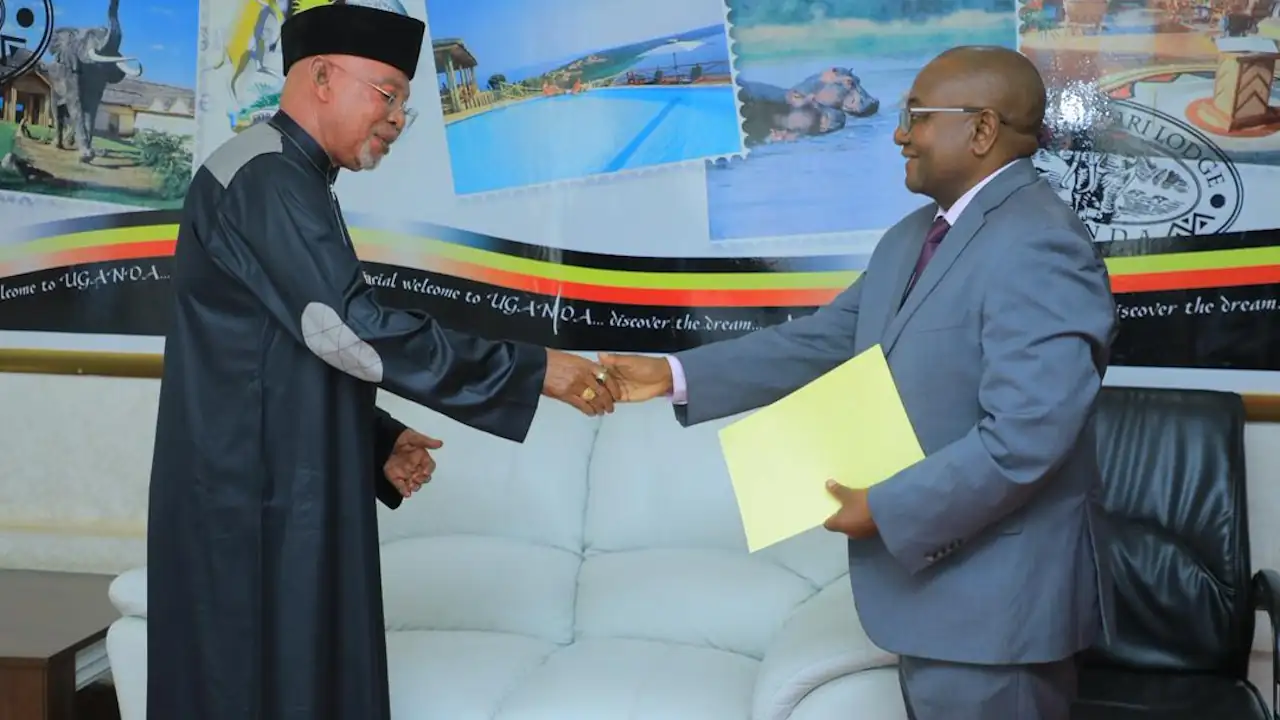
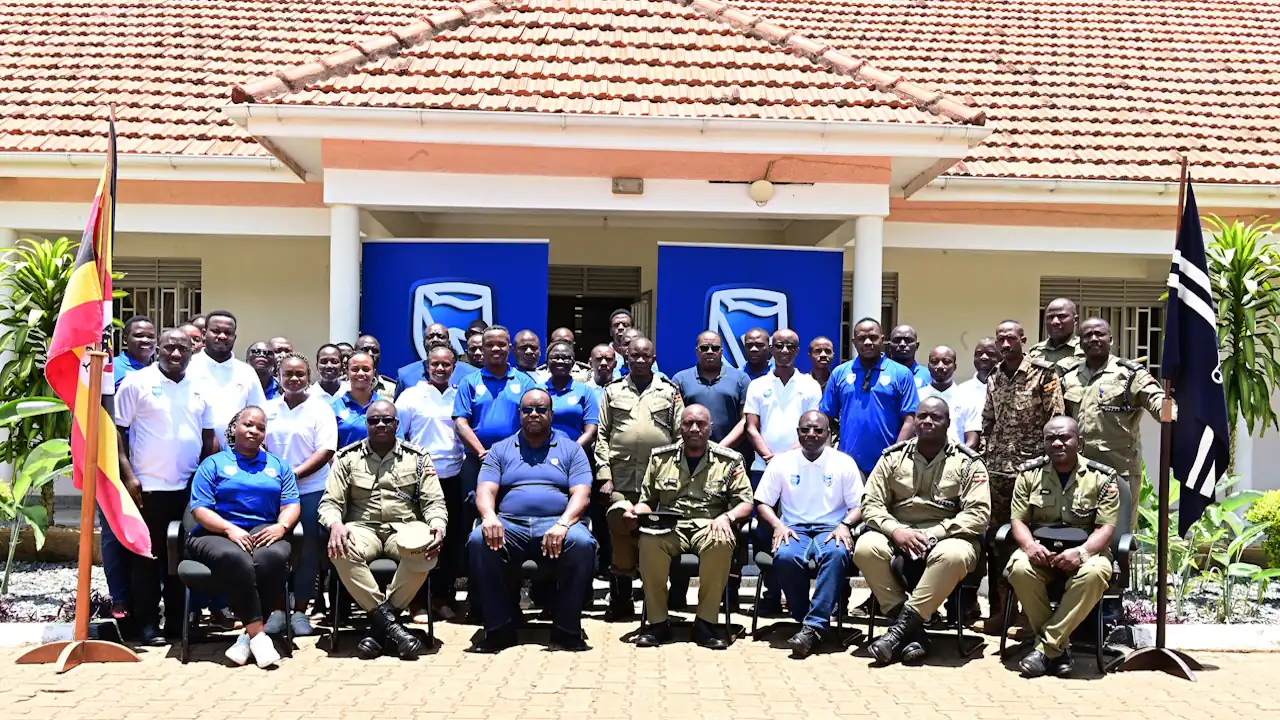
This challenge is now being addressed, following the installation of solar-powered lighting units donated by Stanbic Bank Uganda, in a move aimed at improving conditions for both trainees and staff at the facility in Masindi District.
The solar lighting system, comprising more than 30 units worth Shs100mn, is expected to significantly enhance visibility, enabling safer movement, extended training hours, and more effective supervision during night-time operations.
Speaking at the handover ceremony, chief executive Mumba Kenneth Kalifungwa said the intervention was driven by the need to support critical national institutions with sustainable and practical solutions.
He said: “This initiative reflects our continued commitment to supporting key national institutions that underpin Uganda’s stability and economic growth. Reliable lighting is essential to ensuring a safe and conducive training environment, particularly for a facility of this scale.”
The initiative comes as Stanbic Bank celebrates 35 years of supporting Uganda’s economic growth and helping the government achieve its development goals, as part of the Standard Bank Group.
This milestone is also anchored in the bank’s Positive Impact Agenda, which stands on five strategic pillars: financial inclusion, job creation, infrastructure development, climate resilience, and corporate philanthropy.
Mr Kalifungwa said: “Our operations as a leading financial institution are aligned to our purpose, ‘Uganda is our home, we drive her growth’. In continuing to live up to this ambitious promise, we have earmarked funds, up to a tune of Shs1tn, to harness social economic transformation especially among women, youth and farmers.”
John Kamya, senior commissioner of police, who represented the Inspector General of Police Abas Byakagaba, welcomed the development. He said improved lighting would have directly impact training outcomes and security.
In remarks read by Mr Kamya, Mr Byakagaba said: “This support will significantly improve the welfare and training environment of our officers, while strengthening security within the school, especially during night hours. Collaborations of this nature are critical in our efforts to build a more professional and responsive police force.”
The project also contributes to the police’s broader plan to expand solar lighting infrastructure across the training school, with the long-term goal of installing more than 200 units.
The Kabalye Police National Training School was established by the government in 2005 to address several key needs. These include expanding training to meet the demands of a growing population, improving security and enhancing professionalism through better discipline, ethics and modern policing standards. The school also aims to decentralise training in order to reduce congestion in a few centres and to support both basic and specialised training for modern law enforcement.