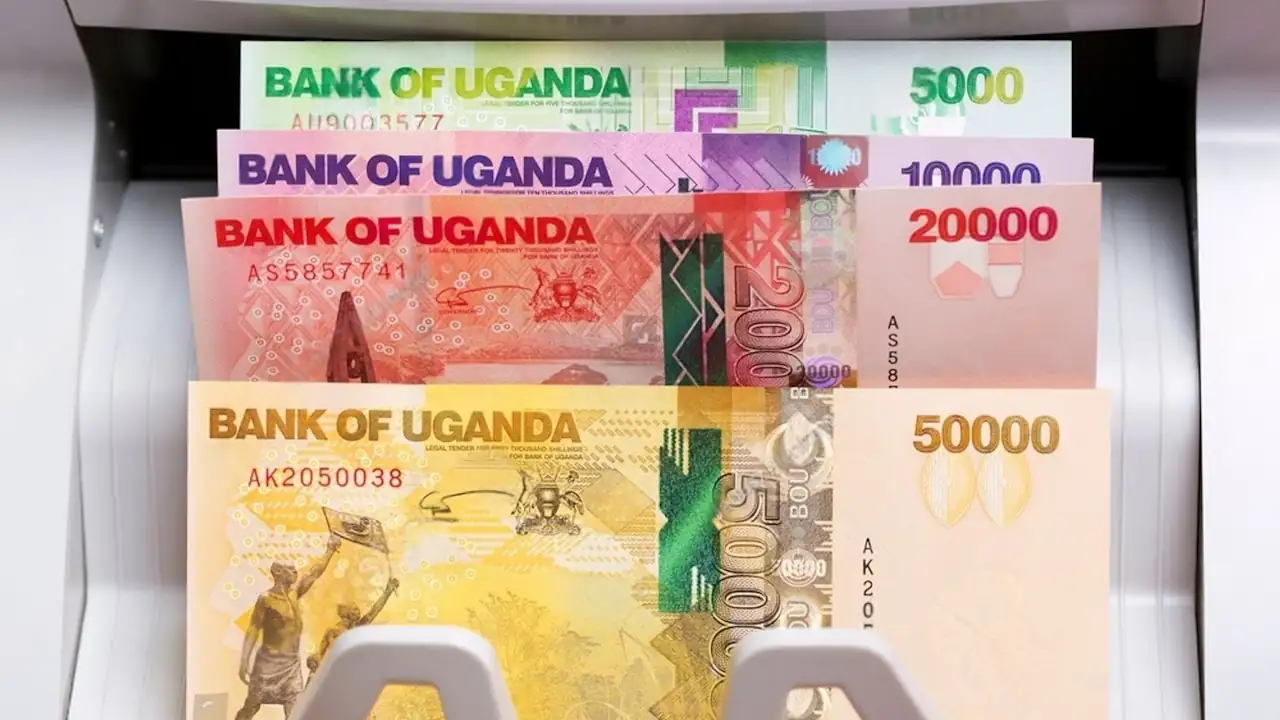

The Uganda shilling recorded its steepest monthly decline in nearly two years in March, as rising global oil prices and a shift in investor risk appetite outweighed still-elevated domestic interest rates.
The currency depreciated 4.5 per cent against the US dollar to a weighted mid-rate of Shs3,730.53, its weakest level since June 2024, according to Bank of Uganda data. The move reverses a prolonged period of appreciation through much of 2024 and 2025.
The sell-off coincided with a sharp escalation in tensions in the Middle East, which disrupted shipping routes and raised concerns over supply through the Strait of Hormuz. Oil prices increased over the period, lifting Uganda’s import bill and placing pressure on the current account. As a net fuel importer, the country’s currency typically weakens under such conditions.
At the same time, frontier market currencies came under broader pressure as investors reduced exposure to risk assets and the US dollar strengthened, tightening external financial conditions.
Domestic fixed-income dynamics appear to have amplified, rather than driven, the move. Data show that yields on one-year Treasury bills declined steadily from around 15 per cent at the end of 2025 to roughly 12.25 per cent in March. By contrast, the exchange rate adjustment was more abrupt, suggesting that narrowing interest rate differentials played a secondary role.
The Bank of Uganda maintained its policy rate at 9.75 per cent during the period, signalling a preference for stability. However, the moderation in yields may have reduced the marginal attractiveness of local currency assets for offshore investors, particularly as global risk conditions deteriorated.
The shilling had previously been supported by strong coffee export receipts and sustained portfolio inflows, strengthening to around Shs3,463.85 in October 2025. That appreciation left the currency more exposed to reversal once external conditions shifted.
The March episode underscores the currency’s sensitivity to oil prices and global liquidity conditions, even when domestic macroeconomic settings remain relatively stable.
While the shilling remains stronger than its 2024 lows, its near-term trajectory is likely to be shaped more by developments in energy markets and global risk sentiment than by domestic yield movements.